
Unemployment aid gaps could deepen AI layoff strain
BLS data show most jobless workers do not seek unemployment benefits, raising concerns as tech layoffs tied to AI continue.
By Hana Yoshida · Markets Reporter
4 min read
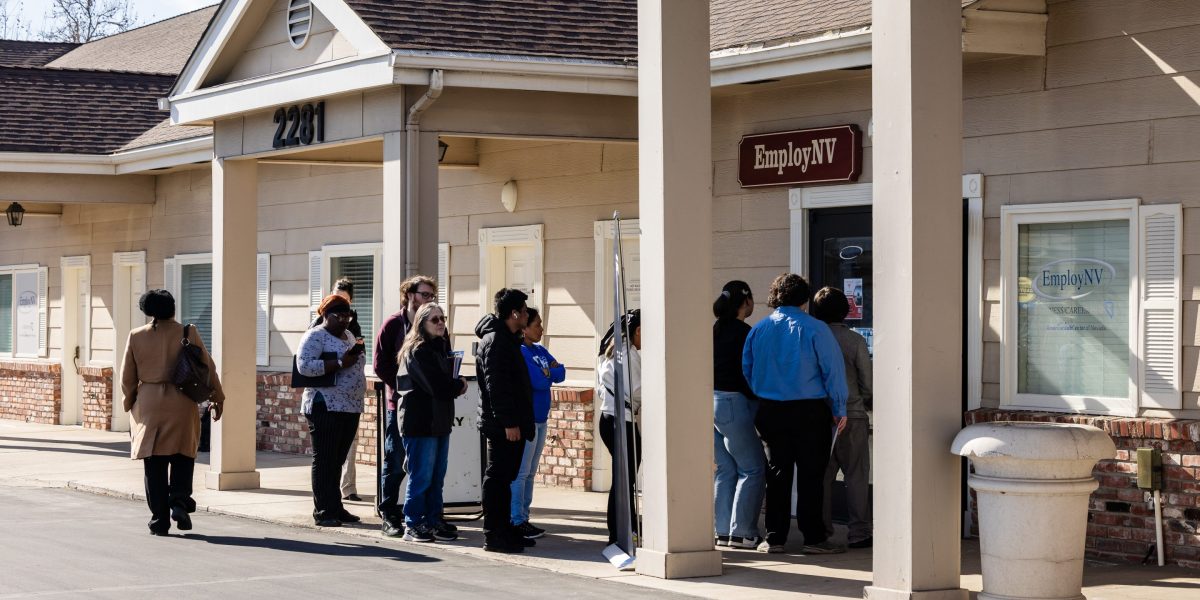
Tech layoffs linked to artificial intelligence are putting new attention on a weak point in the U.S. safety net: most unemployed people do not apply for unemployment insurance. The gap could leave many displaced workers without temporary income support if AI-related job cuts spread further, according to Fortune’s reporting on federal data and labor experts.
Nearly 120,000 tech workers have lost jobs this year, according to Layoffs.fyi data cited by Fortune. Fortune reported that companies have cut staff while pointing to AI-driven productivity, even as forecasts about the long-term effect of AI on white-collar work remain contested.
OpenAI CEO Sam Altman and Anthropic CEO Dario Amodei have recently softened earlier warnings about severe white-collar job disruption, Fortune reported. Other leaders in Silicon Valley and on Wall Street continue to predict that AI will reshape work, and Amodei has called for the government to prepare for higher unemployment.
Most jobless workers do not seek benefits
The Bureau of Labor Statistics said that in 2022, nearly three-quarters of unemployed people did not apply for unemployment insurance. Experts interviewed by Fortune said that figure still reflects the situation today.
New unemployment insurance claims have mostly stayed between 200,000 and 250,000 a week over the past year, according to Labor Department data cited by Fortune. The unemployment rate has remained at 4.3% for three months, according to Federal Reserve Economic Data cited by Fortune.
The BLS survey found that 55% of unemployed people who did not apply said they believed they were not eligible. Reasons can include work not covered by unemployment insurance, leaving a job voluntarily, being fired for misconduct, not having enough past work history or already using up benefits.
Another 17% said they expected to find work soon, according to the BLS. A further 10% cited reasons including not needing the money, negative views of unemployment benefits, lack of awareness or trouble with the application process.
Even applying does not guarantee support. The BLS said only about 55% of applicants receive unemployment benefits.
Eligibility varies by state
Fortune reported that the system can be hard for workers to understand because unemployment insurance is run through states and territories rather than one uniform national program. Eligibility can depend on why a person left work, recent earnings and whether the person is available for new work.
Alexander Hertel-Fernandez, a Columbia University professor who previously served in the Labor Department and the White House during the Biden administration, told Fortune that many workers misunderstand the rules. He said quitting a job does not automatically end eligibility in every case, because circumstances such as harassment or workplace law violations can matter under state rules.
Hertel-Fernandez said workers with more education and higher incomes are more likely to apply, based on research he co-authored with the National Employment Law Center. He also said white workers are more likely to apply for and receive benefits than workers of color, who are less likely to believe they qualify.
Employer challenges can also slow or complicate claims. Hertel-Fernandez told Fortune that applying can resemble a legal process and said about a quarter of applicants report that an employer tried to contest a claim, often because employers’ state taxes can rise when former workers receive benefits.
Calls for reform
Labor union membership may affect whether workers use the system. Hertel-Fernandez told Fortune that unions often help former employees understand and complete applications, and the BLS said people who had belonged to unions in their previous jobs are twice as likely to apply for benefits.
Rachael Kohl, an assistant professor at Wayne State University Law School and former director of the Workers’ Rights Clinic at the University of Michigan Law School, told Fortune that the unemployment system is tested during recessions and downturns. During the pandemic, unemployment benefits supported one in six U.S. adults, according to the BLS, and kept at least 4.7 million people out of poverty, according to the U.S. Census Bureau.
Hertel-Fernandez told Fortune the system needs broad changes if AI causes wider or longer joblessness. He pointed to easier applications and broader eligibility for workers with limited labor-market experience, especially if displaced workers need time to train for different occupations.
This story draws on original reporting from Fortune.