
Trump urges restraint after Israel strikes Beirut amid Iran deal talks
Israeli strikes in Beirut killed three people as mediators worked to finalize a U.S.-Iran agreement that could include Lebanon.
By Maya Lindqvist · Senior Technology Correspondent
3 min read
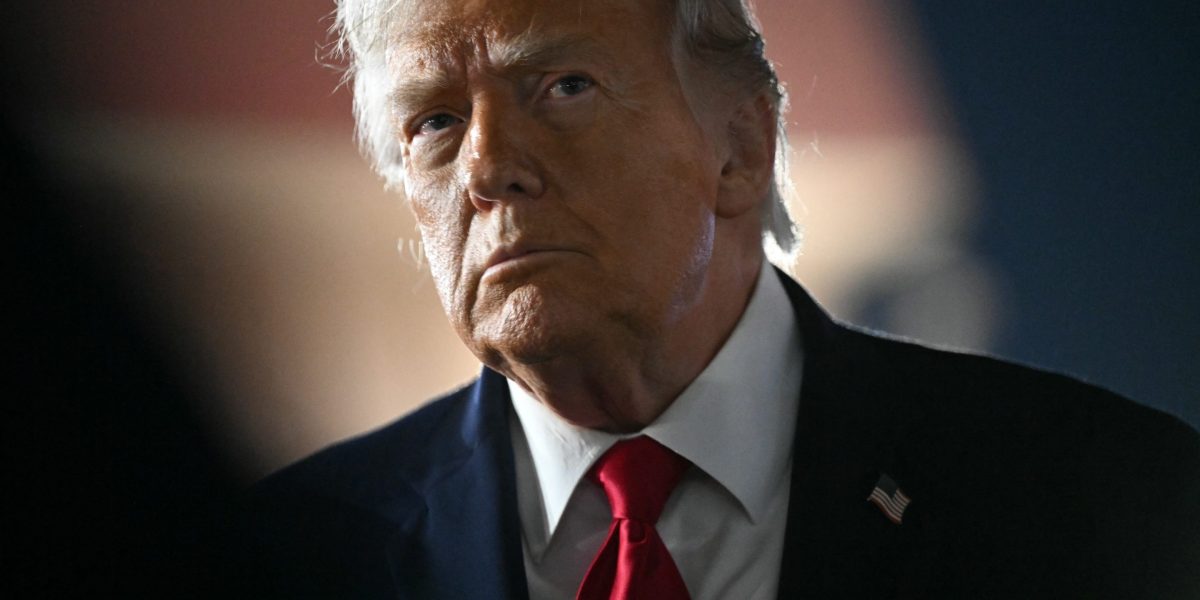
President Donald Trump urged Israel, Iran and others to halt further attacks Sunday after Israeli strikes hit Hezbollah targets in Beirut, threatening talks on a U.S.-Iran deal that mediators say could also affect fighting in Lebanon. Lebanon’s health ministry said three people were killed and 16 were wounded.
Trump said on social media that negotiators were close to an agreement that would bring peace to the region, including Lebanon, and warned parties not to “blow it.” The message came after Iran signaled it could respond militarily to Israel’s latest strikes.
Israel says Hezbollah fired first
Israel’s military said it struck Hezbollah targets in Beirut after Hezbollah launched three projectiles toward northern Israel. Prime Minister Benjamin Netanyahu’s office said the strikes were a response to those attacks.
Netanyahu and Defense Minister Israel Katz said in a joint statement that Israel would not accept fire into its territory. The Israeli military later said it was preparing for possible incoming fire in the hours ahead.
Trump described the attack on northern Israel as minor and said no one was killed or hurt. Hezbollah, which is backed by Iran, did not immediately comment, according to the Associated Press.
An Associated Press photographer in Beirut reported that a five-story apartment building with shops at street level was hit, with the heaviest damage on the two lowest floors. Residents in the southern suburbs, many of whom had returned after several weeks of relative calm, were seen leaving the area.
Mediators press for a deal
The Beirut strikes came as Qatari mediators traveled to Tehran to help complete the agreement, according to two regional officials cited by the Associated Press. The officials spoke anonymously because they were not authorized to discuss the talks publicly.
Pakistan has led months of negotiations between Washington and Tehran, according to Pakistani and regional officials familiar with the discussions. Pakistani Prime Minister Shehbaz Sharif said Saturday that the deal would be signed Sunday, while Iran’s foreign ministry spokesperson Esmail Baghaei said an agreement could come in the next few days.
Trump has said the Strait of Hormuz would reopen immediately after a signing. Its closure has roiled global markets, according to the Associated Press, and Trump was expected to discuss demining the waterway during the Group of Seven summit starting Monday.
Iran’s parliamentary Speaker Mohammad Bagher Qalibaf, a senior negotiator for Tehran, warned the United States on X after the Israeli strikes that further talks would be impossible if Washington could not meet its commitments. Gen. Mohammad Jafar Asadi, deputy commander of Iran’s Joint Command Headquarters, said the attacks would be answered, Iran’s official Mizan news agency reported.
Nuclear issues remain unresolved
The emerging agreement would not settle major disputes over Iran’s nuclear program or billions of dollars in frozen Iranian funds, according to Pakistani and regional officials cited by the Associated Press. Those officials said the deal would create a 60-day framework for technical talks on those issues.
The International Atomic Energy Agency says Iran has 440.9 kilograms, or 972 pounds, of uranium enriched up to 60% purity, close to weapons-grade levels. Iran has long said its nuclear program is peaceful and has not publicly agreed to give up the enriched uranium, according to the Associated Press.
Trump said Saturday on social media that once conditions are calm, the United States would downblend and destroy Iran’s enriched uranium either in Iran or in the United States. Some Republicans have criticized the developing agreement, saying it does not improve on the 2015 Iran nuclear accord that Trump left during his first term.
This story draws on original reporting from Fortune.