
Trump turns to Section 301 tariffs after Supreme Court setback
The administration plans 25% duties on many Brazilian imports after a trade probe, a route experts say could be used against more partners.
By Sofia Marchetti · World Affairs Correspondent
3 min read
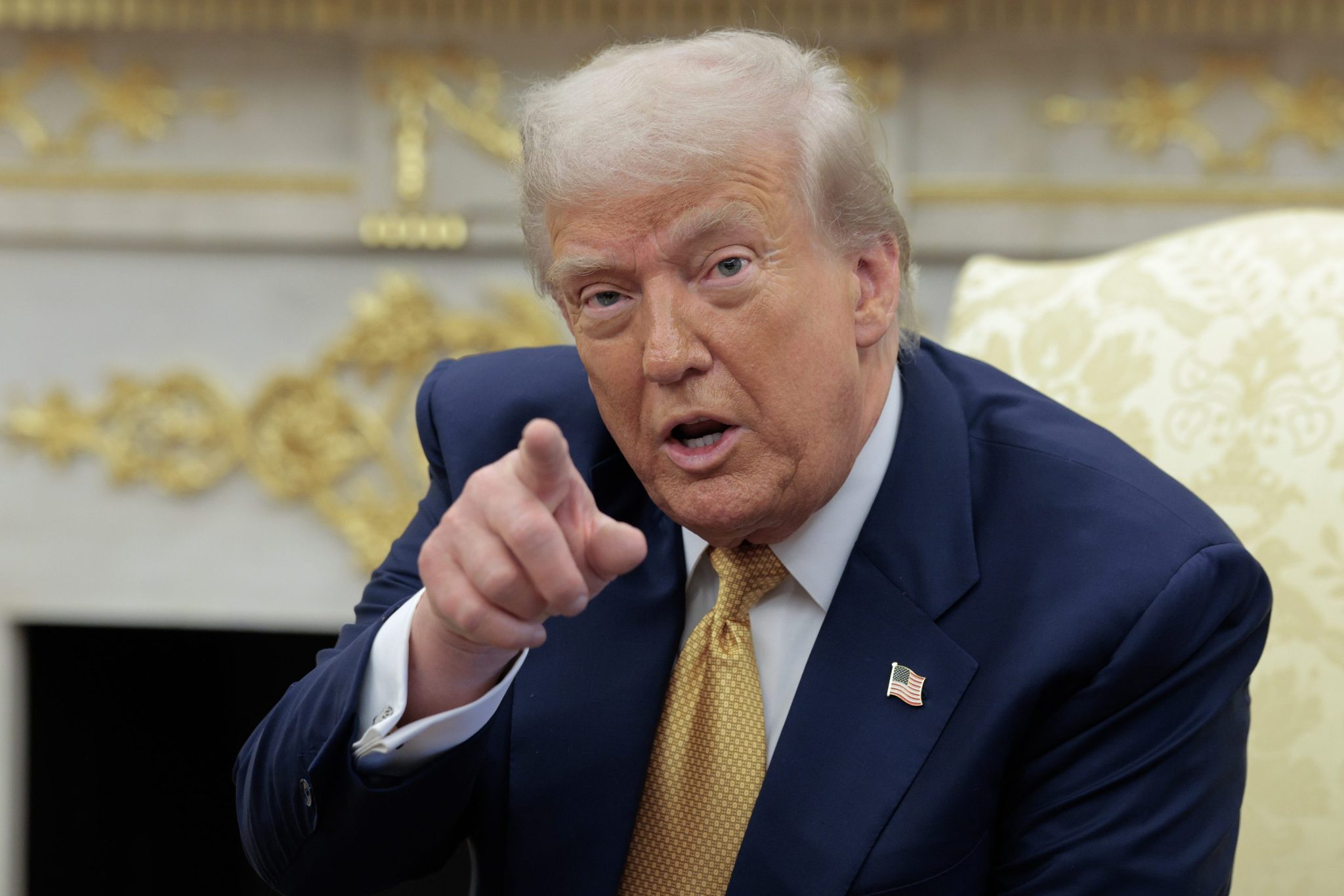
The Trump administration is preparing a new round of tariffs on Brazil after the Supreme Court limited an earlier legal basis for the president’s duties, Fortune reported. The shift could give the White House a slower but more durable way to pursue tariffs against other trading partners.
The 25% duties on many imports from Brazil are scheduled to begin later this month, according to Fortune. The Office of the U.S. Trade Representative announced the tariffs after a yearlong investigation under Section 301 of the Trade Act of 1974 found that Brazil had engaged in unfair trade practices.
Fortune reported that the action follows an earlier dispute with Brazil. Last year, the White House placed tariffs totaling 50% on certain Brazilian imports after former Brazilian President Jair Bolsonaro was accused of leading a plot to overturn his 2022 reelection defeat; Bolsonaro was later sentenced to 27 years in prison.
Tariffs after the court ruling
The Supreme Court ruled in February that Trump could not use the International Emergency Economic Powers Act to impose tariffs, Fortune reported. Since then, importers have received about $71 billion in refunds, according to the U.S. Treasury’s monthly statement cited by Fortune, with $166 billion in total refunds expected.
Reuters reported that U.S. manufacturing output was up 1.1% year over year as of June. James Knightley, ING’s chief international economist, told Fortune that the tariffs have not delivered the revenue or manufacturing boost the administration sought.
“The hope was tariffs were going to be a big revenue raiser, and right now it appears that actually tariffs are going to be potentially a loser through the second half of this year,” Knightley told Fortune.
After the Supreme Court decision, Trump used Section 122 of the Trade Act of 1974 to put a temporary 10% global import surcharge in place, Fortune reported. That authority lasts 150 days and is set to expire later this month.
The Brazil case relies on Section 301, which requires an investigation and gives businesses a chance to comment. Fortune reported that Trump used the same authority during his first term to impose 25% tariffs on roughly $250 billion in Chinese imports; those China tariffs were challenged but were not struck down in court.
Melissa Irmen, director of advocacy for the National Association of Foreign-Trade Zones, told Fortune that once a Section 301 investigation is complete, tariff rates can be changed without restarting the full process. She said moving a duty from 15% to 30%, for example, would not require the same level of procedure.
Pressure on importers
Fortune reported that the administration has proposed tariffs on dozens of trading partners, including the European Union, after investigations involving enforcement of bans on goods made with forced labor. That means Brazil may be an early test of a broader approach.
Irmen told Fortune that the new duties could still face lawsuits. She said challengers may argue that the administration failed to show a foreign practice damaged the U.S. economy or that tariffs would address the alleged harm.
Businesses also face renewed uncertainty, Irmen told Fortune. Companies may pay duties for months or years and then seek refunds later if courts reject the tariffs, as happened after the IEEPA ruling.
Knightley told Fortune that additional tariffs could push prices higher and make it harder for the Federal Reserve to cut interest rates. He also said trade policy may become more central if Republicans lose control of Congress and Trump has fewer options for tax and spending legislation.
The Hill reported that some forecasts have shown Democrats could win the House and split the Senate after the midterm elections. “If you can’t do tax and spending, you’re going to be more limited to areas where the president has executive powers,” Knightley told Fortune. “And trade, of course, is one of those.”
This story draws on original reporting from Fortune.