
Trump to raise Hormuz demining plan with G7 leaders
A U.S. official said Trump will discuss clearing mines from the Strait of Hormuz as Pakistan and Iran point to progress on ending the war.
By Sofia Marchetti · World Affairs Correspondent
3 min read
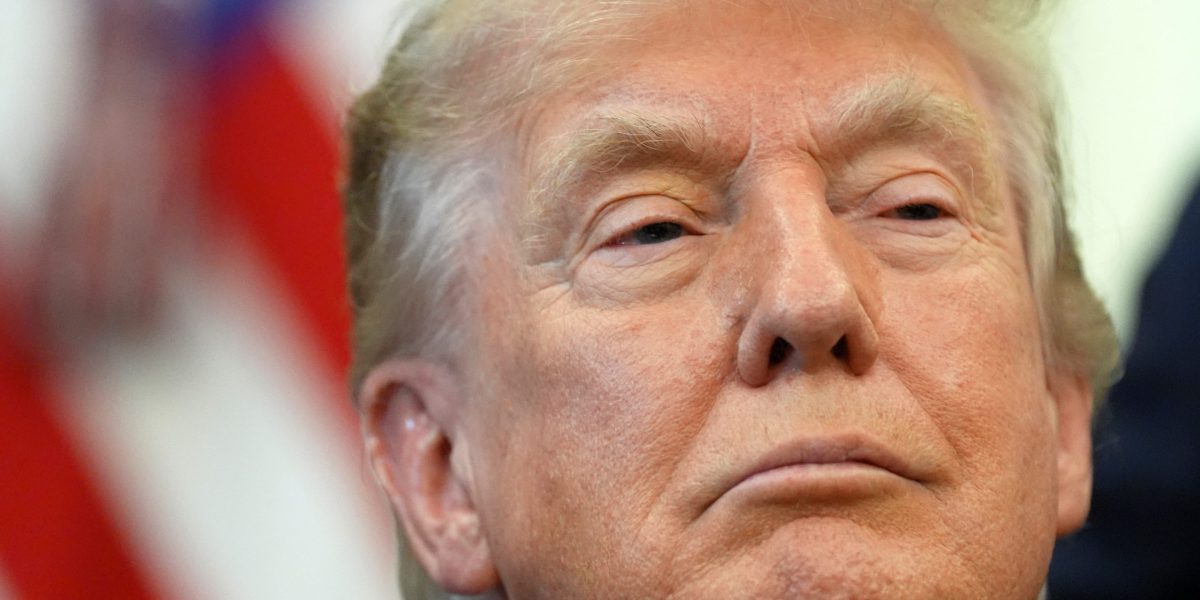
President Donald Trump is expected to ask allies at next week’s Group of Seven summit in France to help remove mines from the Strait of Hormuz, a senior U.S. administration official told reporters Saturday. The talks could affect energy shipments from the Persian Gulf, which the Associated Press reported were nearly stopped after Iran tightened control of the waterway during the war.
The official, who spoke on White House ground rules requiring anonymity, said Britain and France have shown interest in helping clear mines once the fighting is paused. Both countries are members of the G7, whose summit begins Monday.
Trump also plans to meet separately with leaders from Egypt, Qatar and the United Arab Emirates during the summit, the official said. Those meetings are expected to focus on efforts to bring the Iran war to a close.
Pakistan says agreement is near
Pakistani Prime Minister Shehbaz Sharif said negotiations were nearer to a settlement than at any earlier point and that an agreement could be completed within 24 hours. According to Sharif, Pakistan was preparing for an electronic signing, with technical-level talks to follow next week.
Sharif thanked the United States, Iran and regional partners in a post on X for their roles in the negotiations. The White House did not respond to the Associated Press’ request for comment.
Iran’s foreign ministry sounded more guarded. Spokesperson Esmail Baghaei, in comments carried by Iranian state television, said an agreement was not expected immediately but could come in the following days.
Baghaei said the draft Islamabad memorandum is aimed at ending the war and that Iran’s nuclear program is not part of the discussions at this stage. The Associated Press noted that Iran’s nuclear work and its highly enriched uranium have long driven tensions with the United States, Israel and other governments.
Three regional officials, speaking anonymously because of the sensitivity of the talks, told the Associated Press that a signing ceremony could be held in the coming days if officials in Washington and Tehran approve the deal.
Ceasefire strain and oil pressure
The diplomatic push followed an exchange of fire earlier in the week involving Iran, the United States and Israel, according to the Associated Press. AP reported that the confrontation threatened a ceasefire in place since April 7.
Iranian Foreign Minister Abbas Araghchi said Friday on X that an agreement was closer than before. Trump, who has repeatedly said in recent weeks that a deal was near, shared Araghchi’s post on social media, according to the Associated Press.
Trump also claimed progress in the negotiations Thursday, AP reported, after earlier threatening to take control of Iran’s oil industry. The United States has blockaded Iranian ports, while Iran’s actions in the Strait of Hormuz have disrupted oil and natural gas flows from the Persian Gulf, according to AP.
Khamenei funeral set for July
Iranian state television said Saturday that funeral events for former Supreme Leader Ayatollah Ali Khamenei will be held July 4-9, during Muharram, a mourning period in the Shiite Muslim calendar.
Khamenei was killed in the opening strike of the war launched by Israel and the United States in late February, the Associated Press reported. He was succeeded by his son Mojtaba Khamenei, whom AP described as even less willing to compromise.
Iranian state television said the ceremonies will begin in Tehran before moving to Qom and then Mashhad, Khamenei’s birthplace. He is to be buried at the Imam Reza Shrine, and funerals for his daughter and son-in-law, also killed in the February strike, are scheduled for the same day.
This story draws on original reporting from Fortune.