
Trump asks advisers to study Australia’s pension system
The president said his administration is weighing Australia’s employer-funded superannuation model as it looks at U.S. retirement changes.
By Maya Lindqvist · Senior Technology Correspondent
3 min read
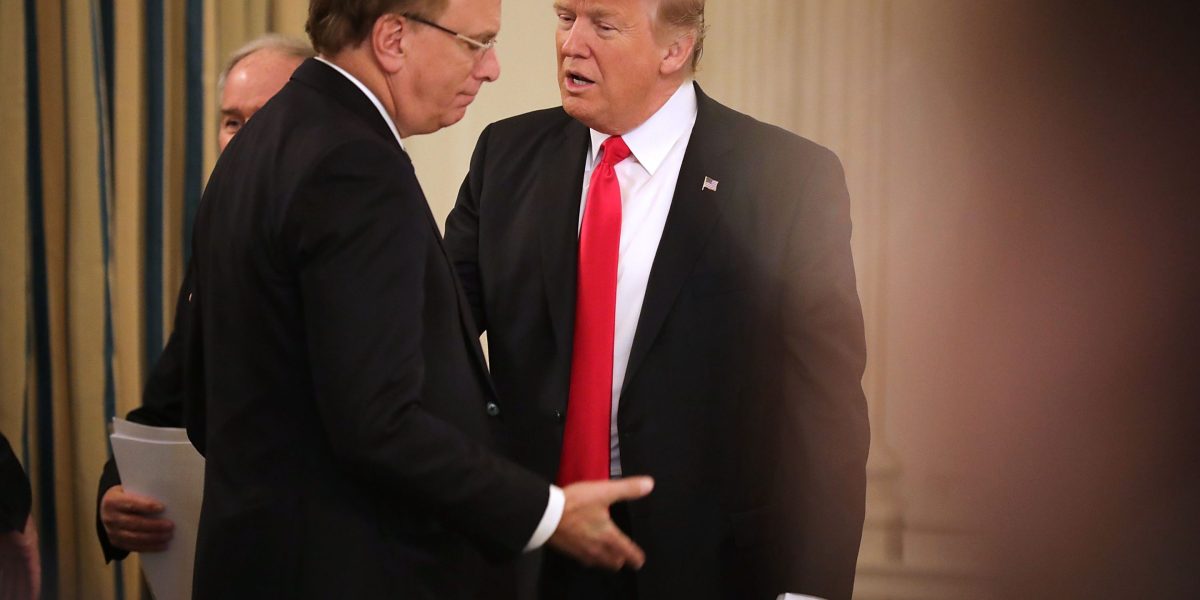
President Donald Trump has directed senior economic officials to study Australia’s retirement system as his administration considers changes to U.S. retirement policy, Bloomberg reported. The idea matters because the U.S. faces pressure from a projected Social Security funding gap and uneven access to workplace savings plans.
Trump said on July 6 that Treasury Secretary Scott Bessent and Commerce Secretary Howard Lutnick would review Australia’s privately run superannuation funds as part of talks with Congress. He made the comments the same day he met with BlackRock Chief Executive Larry Fink, whom Bloomberg described as a longtime supporter of the Australian approach.
“They have a plan in Australia, which people really like. It’s really worked out very well,” Trump said, according to Bloomberg. “We’re going to be talking about that with Congress and see if we can implement it.”
How the Australian model works
Australia created its superannuation system in the early 1990s through legislation requiring employers to add retirement contributions on top of workers’ pay, Bloomberg reported. The funds are privately managed, and the requirement covers part-time workers as well as full-time employees.
The contribution rate has increased over time and now stands at 12% of employee salaries, according to Bloomberg. The country’s retirement pool has grown to about $3.1 trillion and is on track to become the world’s second-largest retirement system within the next decade, the news service reported.
Fink has pushed U.S. policymakers to study Australia’s system, including in a 2024 letter to BlackRock investors, Bloomberg reported. His argument centered on weak retirement preparedness in the United States and the broader coverage created by mandatory savings systems.
U.S. retirement pressures
The debate comes as the Social Security trust fund is projected to run out in 2032, Bloomberg reported, a point at which promised benefits would face cuts without policy changes. Private savings are also uneven: among 5 million people in Vanguard-administered 401(k)-type plans, the median balance was $44,115 last year, according to Bloomberg.
Bloomberg also reported that about 40% of private-sector workers lack access to a 401(k)-type plan. That gap has made expanded workplace coverage a central issue for lawmakers and retirement policy analysts.
Sen. Ted Cruz of Texas praised Trump’s comments in a July 8 post on X, calling them “exactly right.” Cruz said he was writing legislation aimed at giving Americans, including bartenders and gig workers, a chance to build wealth and share in the country’s prosperity.
Experts warn against a simple transplant
Retirement specialists told Bloomberg that copying Australia’s system would not solve the U.S. problem on its own. Any move away from Social Security would still have to address benefits already promised under a program funded mainly through payroll taxes.
Gopi Shah Goda, director of the Retirement Security Project at the Brookings Institution, told Bloomberg that proposals for a U.S. sovereign wealth fund to cover Social Security shortfalls would carry “important implications for the economy.” Bloomberg reported that required employer contributions could also draw opposition from businesses, as they have in Australia, where companies have argued such payments can come at the expense of raises.
Alicia Munnell, a senior adviser at the Center for Retirement Research at Boston College, told Bloomberg she believes the current U.S. mix of private 401(k)-style accounts and inflation-adjusted Social Security benefits is better designed. She said policymakers should repair Social Security and enroll more workers in workplace retirement plans.
A White House official told Bloomberg it is too soon to say whether any Trump proposal would closely follow Australia’s design. Trump has also suggested his administration could adapt the idea, saying it might make the model “a little bit sharper” and “a little bit better,” Bloomberg reported.
This story draws on original reporting from Fortune.