
Hormuz fighting picks up as oil rises and stock futures slip
U.S. forces reported another strike on Iranian targets as analysts warned markets may be too calm about risks to Gulf shipping.
By Maya Lindqvist · Senior Technology Correspondent
3 min read
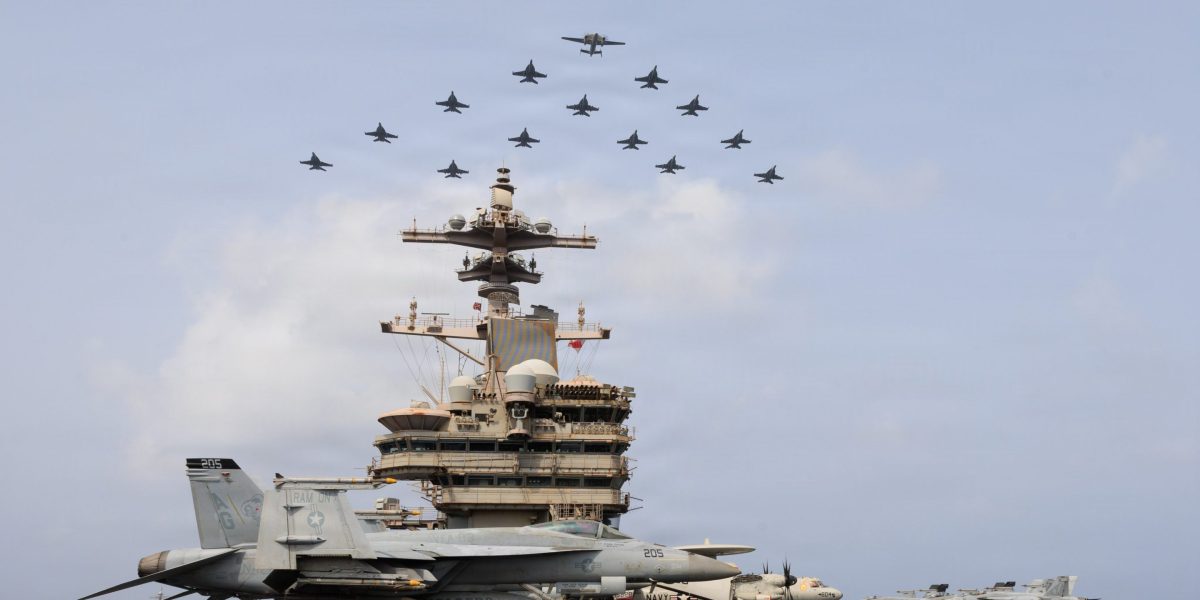
U.S. forces reported another round of strikes on Iranian targets near the Strait of Hormuz on Sunday evening, extending a week of fighting around one of the world’s key oil routes. The widening exchange matters for markets because investors have largely treated the conflict as containable, even as military action has accelerated.
U.S. Central Command said the latest strikes were aimed at reducing Iran’s ability to attack civilian mariners and commercial ships passing through the strait. The announcement followed two other U.S. strike rounds in the previous 24 hours and two more earlier in the week, according to Central Command statements.
Late Sunday trading showed a cautious but measured market response. Futures tied to the Dow Jones industrial average fell 100 points, or 0.19%, while S&P 500 futures lost 0.27% and Nasdaq futures declined 0.48%. U.S. oil futures rose 3.2% to $73.70 a barrel, and Brent crude gained 3.2% to $78.45. Gold fell 0.7% to $4,085 an ounce.
Bob McNally, founder and president of Rapidan Energy and a former White House energy adviser, told CNN that the oil market’s reaction remained restrained. He said crude traders have discounted geopolitical risk for years and called the latest rise in prices “pretty tame.”
McNally told CNN that traders appear to believe the most dangerous phase of the Hormuz conflict has passed. He said markets see early signs of improved ship traffic and Gulf oil production, while equities have shown little concern about Iran since April.
“So there’s a lot of complacency, a lot of confidence, built into the market right now about oil,” McNally told CNN.
Central Command said the latest U.S. action came after Iran’s Islamic Revolutionary Guard Corps targeted a commercial ship. U.S. forces intercepted an Iranian missile and drone, according to Central Command.
Earlier Sunday, the U.S. carried out what was described as a few strikes on Iranian missile systems, air-defense equipment and small boats near the strait. Central Command said earlier U.S. attacks had hit 300 targets across three rounds, including 140 targets on Saturday involving missile and drone sites, naval assets, ammunition storage, communications networks and coastal surveillance locations.
Iran has also fired at nearby states, including Bahrain, Kuwait, Qatar, Jordan and Oman, according to the reported account of the fighting. Tehran says a memorandum of understanding signed with Washington last month gives it authority to regulate ship traffic, and it has attacked vessels that avoid an Iranian-backed corridor along Iran’s coast.
The U.S. has demanded full freedom of navigation through Hormuz and has set up a separate route close to Oman’s coast. Since early May, U.S. forces have helped more than 800 commercial vessels carrying 400 million barrels of crude oil pass through the strait, according to the reported U.S. tally.
Sal Mercogliano, a Campbell University professor who studies military and maritime history, said in a YouTube post Sunday that the recent fighting showed the ceasefire was a “facade.” He warned that the countries were drifting into an undeclared naval conflict that could escalate.
This story draws on original reporting from Fortune.