
Trump Accounts hit 6.5 million sign-ups as some parents await deposits
The Treasury Department says most $1,000 seed payments arrive quickly, but some families report delays after opening accounts.
By Hana Yoshida · Markets Reporter
3 min read
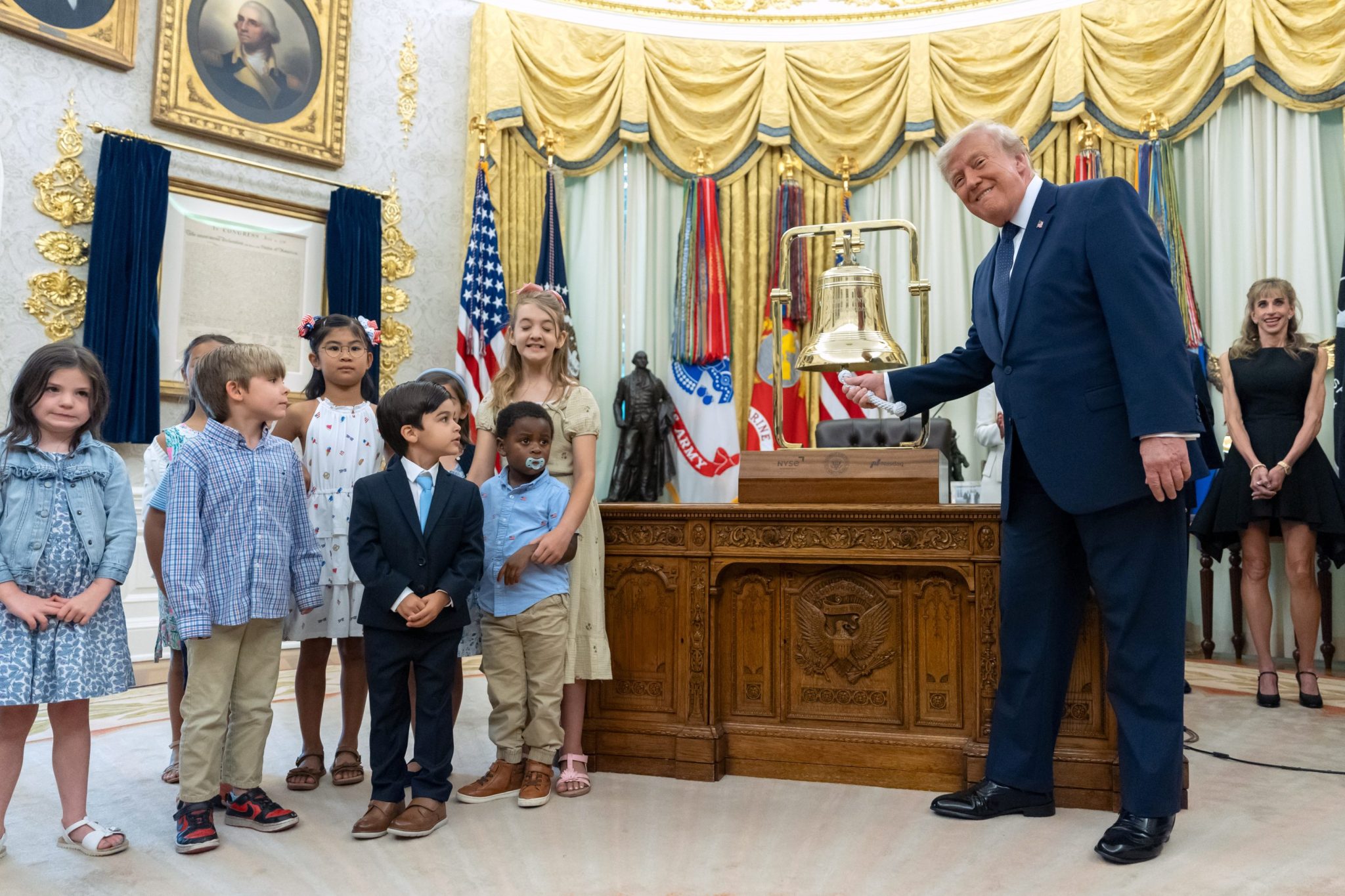
Trump Accounts have drawn 6.5 million sign-ups, according to the Treasury Department, while some parents say the promised $1,000 federal deposits for newborns have not yet appeared. President Donald Trump is promoting the accounts as a way to give children an early stake in the stock market and build savings for adulthood.
Trump is scheduled to speak Wednesday at a high school in Georgia about the program, which provides $1,000 in federal seed money for children born during his second term. The accounts opened July 4, shortly before Trump marked the launch by ringing the opening bells for the New York Stock Exchange and Nasdaq from the Oval Office, according to the Associated Press.
The accounts were created through Trump’s One Big Beautiful Bill. The Treasury Department says they can be opened for any child under 18, while 1.5 million of the current sign-ups qualify for the $1,000 federal contribution because they are for children born from 2025 through 2028.
After an account is created, parents, relatives, friends and employers may contribute. AP reported that some billionaires have also promised charitable contributions. The funds are placed with private firms and invested in index funds, which track broader stock market performance.
The money cannot be withdrawn until the child turns 18, and then only for certain uses, including education, starting a business or buying a home, according to AP. Supporters say the program could broaden stock ownership and give more families a financial asset tied to market growth.
Some families, however, say the early rollout has been uneven. Masaki and Kristina McLellan of Bergen County, New Jersey, told AP they were initially skeptical of the accounts but signed up after weighing the $1,000 incentive for their daughter, Maya, who was born in late March.
Masaki McLellan said he applied July 6 and was first rejected, then had the account activated after spending about an hour on the program’s hotline. He said he was initially told the deposit would arrive in 10 days, but later was told it could take as long as four weeks.
Kristina McLellan told AP she was frustrated by the delay, though the family has already opened other investments for Maya, including a 529 college savings plan and a custodial brokerage account. She said the family wants to give their daughter more choices later in life.
The Treasury Department said the delay between account approval and payment reflects normal processing, similar to a tax refund. The department said most parents wait only one or two days, but that it provides cautious timelines to families, including estimates of up to four weeks.
In a statement to AP, the department said Trump Accounts allow more families to invest for their children, rather than limiting that opportunity to wealthy households. It also described the program as the most popular government-backed savings product in U.S. history, citing roughly 1 million sign-ups per month before launch.
The Georgia event comes as Trump and Republicans face pressure over the economy ahead of the midterm elections. A June survey from The Associated Press-NORC Center for Public Affairs Research found that 33% of U.S. adults approved of Trump’s economic leadership, among the lower marks of his second term.
AP described the accounts as similar in concept to baby bonds backed by some Democratic-led cities and states, though those programs often focus on children from lower-income families. Trump Accounts are open to families across income levels.
Critics cited by AP argue the accounts do not address costs families face during a child’s earliest years, when children are at heightened risk of poverty, homelessness and hunger. AP also reported that the same law that created the accounts reduced funding for programs used heavily by children, including Medicaid and the Supplemental Nutrition Assistance Program.
This story draws on original reporting from Fortune.