
Tick-linked meat allergy gains attention as cases rise
Health officials are warning about alpha-gal syndrome, a potentially severe allergy tied mainly to lone star tick bites in the U.S.
By Sofia Marchetti · World Affairs Correspondent
4 min read
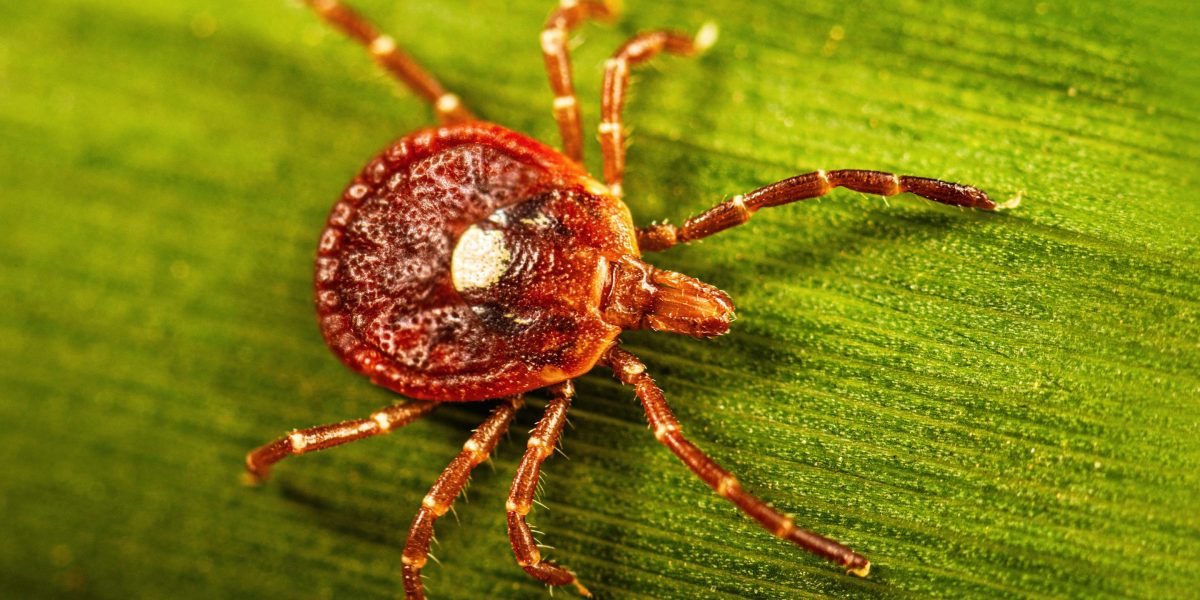
Health officials are drawing more attention to alpha-gal syndrome, a potentially life-threatening allergy to mammal meat that can follow a tick bite. The condition matters because reported cases are increasing, and the lone star tick, considered the main U.S. source, has been found in a wider range of places.
According to the Associated Press, alpha-gal syndrome was connected to certain tick bites about 15 years ago. People with the condition can develop reactions after eating even a small amount of beef, pork, lamb or, in some cases, dairy products.
The allergy does not affect seafood, poultry or eggs, the AP reported. Chicken and turkey remain acceptable foods for people with the condition.
How a tick bite can trigger the allergy
Alpha-gal syndrome differs from tick-borne infections such as Lyme disease or Rocky Mountain spotted fever because it is not caused by a virus or bacterium, according to the AP. It is an immune reaction to alpha-gal, a sugar found in most mammals and in the saliva of some ticks.
Dr. Scott Commins, an alpha-gal syndrome researcher at the University of North Carolina, told the AP that the skin is especially effective at producing allergic responses. When a tick bite introduces alpha-gal through the skin and into the body, the immune system can form antibodies that later react to the sugar after a person eats mammal meat or dairy.
Symptoms often appear hours after eating, the AP reported. The problem may take weeks or months to develop, and reactions can become more severe over time.
Why diagnoses are increasing
Maria Diuk-Wasser, a Columbia University researcher who studies tick-borne diseases, told the AP that greater public and medical awareness likely explains part of the increase. Researchers also point to the lone star tick’s expanding range.
The lone star tick, often recognized by a white mark on its back, is most common in the South and East, according to the AP. It has also been reported in newer areas, including the Great Lakes region and as far north as Martha’s Vineyard in Massachusetts.
Researchers are concerned that other ticks, including blacklegged ticks, could spread the condition more often, the AP reported. A 2023 study by the Centers for Disease Control and Prevention estimated that about 450,000 Americans have developed the allergy.
Symptoms, testing and foods to avoid
People often seek care after symptoms such as hives, dizziness, breathing trouble or swelling of the lips, throat, tongue or eyelids, according to the AP. Some patients report only digestive problems, including diarrhea, stomach pain, vomiting or nausea.
Doctors diagnose the condition by weighing symptoms, a patient’s history and a blood test for alpha-gal antibodies, the AP reported. Commins told the AP that the blood test cannot stand alone because false positives can occur and symptoms are needed for diagnosis.
Doctors generally tell patients to avoid mammal meats such as beef, pork and lamb, according to the AP. Some patients can still eat dairy, while people with severe reactions may need to avoid products containing animal byproducts such as gelatin, which is used in foods including marshmallows and gummy bears.
The AP reported one rare exception: meat from genetically modified pigs that do not produce alpha-gal. The Food and Drug Administration approved those pigs for consumption in 2020, and Amaroo Hills sells meat from the animals, which were developed as part of work related to organ transplantation.
Treatment options
For years, standard care has centered on avoiding trigger foods and carrying epinephrine for emergencies, the AP reported. In 2024, the FDA approved the injectable drug Xolair for several food allergies, including alpha-gal syndrome.
According to the AP, Xolair does not cure the allergy but can reduce severe reactions after accidental exposure. Commins and other researchers are also studying whether other approved biologic drugs could help interrupt allergic signaling after a tick bite or in patients with the condition.
The allergy can fade in some patients after several years, Commins told the AP, saying he has seen that in about 15% to 20% of his patients. Avoiding additional tick bites remains important for people with alpha-gal syndrome.
This story draws on original reporting from Fortune.