
Terrell Davis Teva campaign spotlights tardive dyskinesia awareness
Terrell Davis is working with Teva on a tardive dyskinesia campaign tied to his own mental health treatment experience.
By Hana Yoshida · Markets Reporter
3 min read
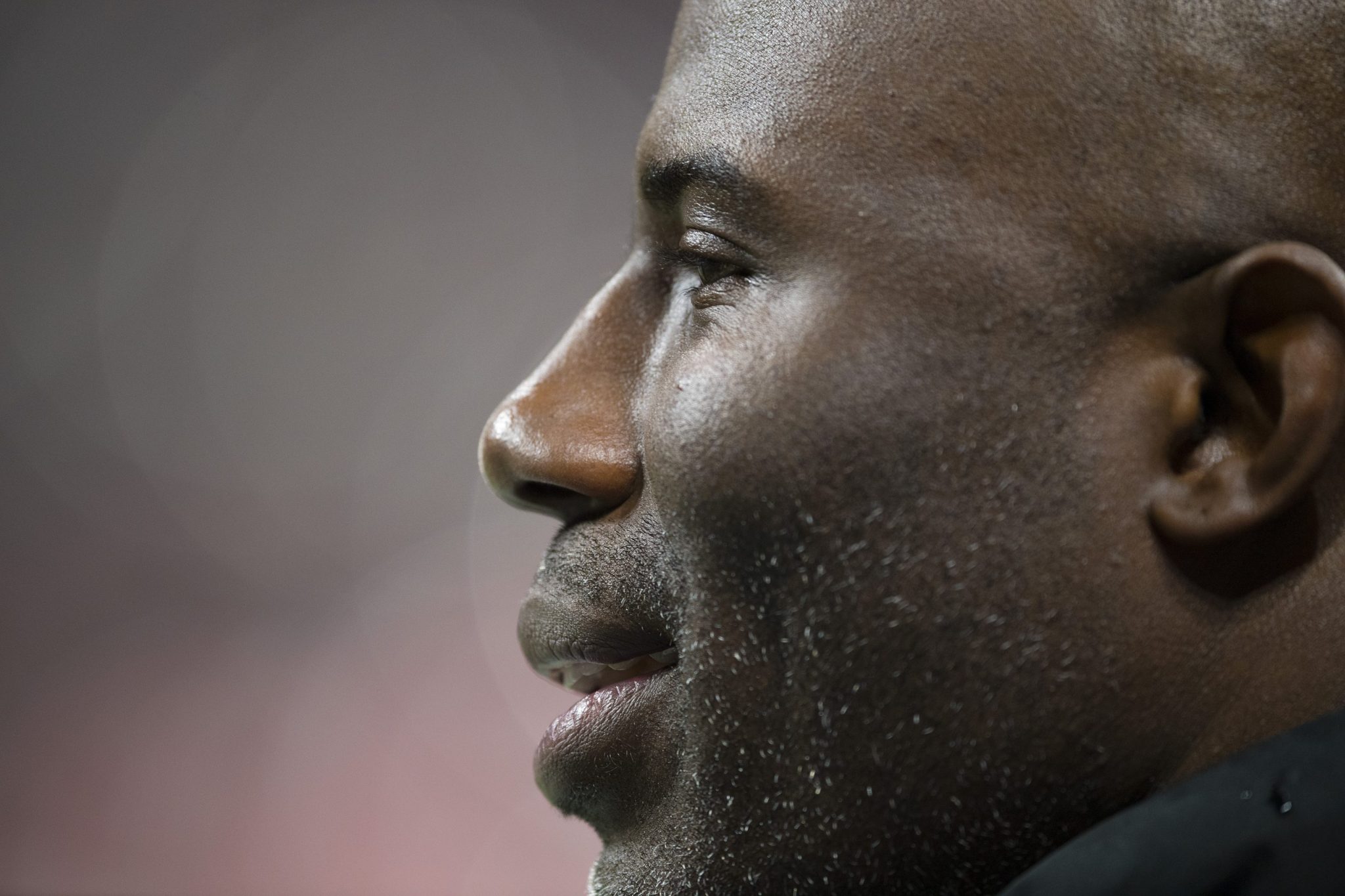
The Terrell Davis Teva partnership puts the former Denver Broncos running back at the center of a drugmaker-backed campaign on tardive dyskinesia, Fortune reported. The effort matters because pharmaceutical companies are increasingly using athletes’ personal health stories to encourage patients to seek information and medical care.
Davis, a two-time Super Bowl champion and Pro Football Hall of Famer, is working with Teva Pharmaceuticals on a program called “The Other TD,” according to Fortune. The campaign points people to educational materials and urges those with symptoms to speak with health care providers.
Why is Terrell Davis working with Teva?
Fortune reported that Davis is being compensated for the Teva partnership, and Davis said his reason for joining was personal. He told Fortune he had been prescribed medication during mental health treatment after football, though not a drug associated with tardive dyskinesia.
Davis said that experience made the condition feel close to his own life after he met Lori, a woman living with tardive dyskinesia through the campaign. “That could have been me,” Davis told Fortune. “I may have been on medication and could have gotten TD.”
According to Fortune, Lori had involuntary movements for about two years before receiving a diagnosis and treatment. Davis said her persistence helped persuade him the campaign was worth supporting.
What is tardive dyskinesia?
Tardive dyskinesia is a neurological movement disorder that can occur as a side effect of some medicines used to treat mental health conditions, Fortune reported. It is marked by involuntary movements and can be missed or misunderstood before diagnosis.
Teva’s business interests are also part of the story. Fortune reported that the company makes Austedo, one of the leading approved prescription treatments for tardive dyskinesia, and that the drug is an important revenue source for Teva as older medicines face generic competition.
Athletes are becoming health-awareness messengers
Fortune described Davis as part of a broader shift in pharmaceutical and health marketing, away from campaigns built mainly around television ads urging viewers to ask doctors about specific drugs. More companies are now turning to athletes who have spoken publicly about health problems.
In football, former offensive lineman Joe Barksdale has discussed severe depression, ESPN reported. Former wide receiver Brandon Marshall, after his diagnosis of borderline personality disorder, co-founded Project 375 to promote mental health awareness, according to the Child Mind Institute.
Outside the NFL, Fortune pointed to Serena Williams’ work with telehealth company Ro as another example of athletes lending credibility to health campaigns. Ro has said its GLP-1 patient base has grown to more than 3 million users.
Davis told Fortune his own mental health struggles challenged the identity he carried from football. “I played football. I’m a strong guy,” he said. “I thought I had strong mental fitness.”
He said a friend encouraged him to get professional help and supported him through that process. Davis described the message he wants to share in direct terms: “It is okay not to be okay,” he told Fortune. “Don’t try to overcome this enormous challenge yourself.”
For the Teva campaign, Davis said he hopes his initials can help people remember the condition. “If I can get behind this and make TD synonymous with Tardive Dyskinesia,” he told Fortune, “I think that’s a pretty good thing.”
This story draws on original reporting from Fortune.