
Tech leaders set screen limits for their own children
Executives including Peter Thiel, Bill Gates and Evan Spiegel have described strict household rules as youth screen use draws more scrutiny.
By Maya Lindqvist · Senior Technology Correspondent
3 min read
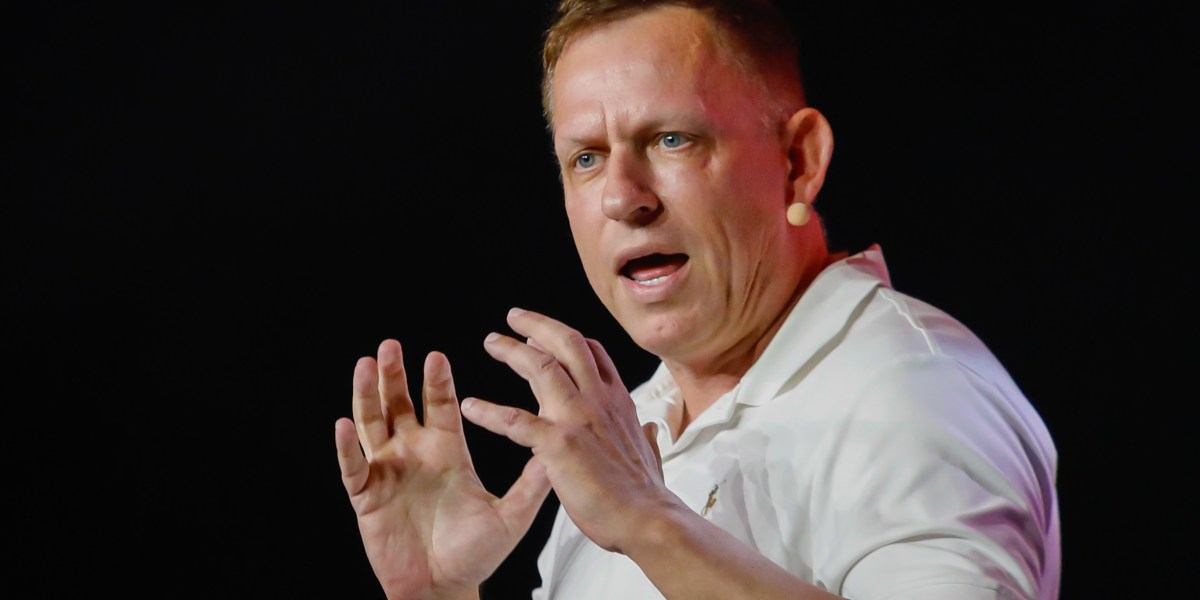
Several prominent technology founders and investors have publicly said they restrict their children’s access to screens, smartphones or social media. Their comments are drawing attention as governments and researchers increase scrutiny of how online platforms affect young users.
Fortune reported that the pattern dates back at least to 2010, when Apple cofounder Steve Jobs told The New York Times that his children had not used an iPad and that his family limited technology at home. Since then, more executives tied to consumer technology and social media have described similar rules for their own households.
The American Academy of Child and Adolescent Psychiatry says U.S. children ages 8 to 18 spend an average of 7.5 hours a day using or watching screens, according to Fortune. That figure has become part of a wider debate over children who spend extensive time with tablets, phones and short-form video.
Executives describe household limits
YouTube cofounder Steve Chen said last year at the Stanford Graduate School of Business that he would not want his children watching only short-form videos, Fortune reported. Chen said shorter videos are linked with shorter attention spans and suggested that children could be limited to videos longer than 15 minutes.
Investor Peter Thiel said at the 2024 Aspen Ideas Festival that his two young children get 1.5 hours of screen time a week, according to Fortune. The publication reported that the remark drew audible surprise from the audience.
Bill Gates has said he did not allow his children to have smartphones until they were 14 and barred phones from the dinner table, Fortune reported. Snap CEO Evan Spiegel said in 2018 that he gave his child the same 1.5-hour weekly screen limit Thiel later described, according to Fortune.
Elon Musk, who bought Twitter in 2022 and renamed it X, has said it may have been a mistake not to set rules around his children’s social media use, Fortune reported. TikTok CEO Shou Zi Chew said in 2023 that his children were too young for TikTok, but added that if they lived in the United States and had access to the platform’s under-13 protections, he would allow use of the app, according to Fortune.
Research and regulation add pressure
Fortune cited a 2025 study of nearly 100,000 people that found short-form video use was consistently associated with weaker cognition and declines across several areas of mental health among both younger and older social media users. The study did not settle every policy question, but it added to concerns about heavy use of short-video products.
Governments are also testing harder limits. Fortune reported that Australia and Malaysia became the first countries to ban people under 16 from social media, while France, Denmark and the United Kingdom are considering similar measures.
Enforcement remains uncertain. Fortune cited a recent study by a team that advised Australia’s rollout, which found that 50 test accounts for fake 16-year-olds were not asked to verify their age.
Social media companies have pushed back against claims that their products are harmful or addictive. Instagram head Adam Mosseri testified this year in litigation against Meta that excessive social media use does not amount to clinical addiction, Fortune reported. Meta lawyers also pointed to youth safety tools on Instagram, including limits on adult-content visibility and muted nighttime notifications.
This story draws on original reporting from Fortune.