
Wine brands court Gen Z with NASCAR, WWE and Shark Week tie-ins
As younger consumers drink less alcohol, winemakers are using pop culture partnerships and plain language to make wine feel more approachable.
By Sofia Marchetti · World Affairs Correspondent
3 min read
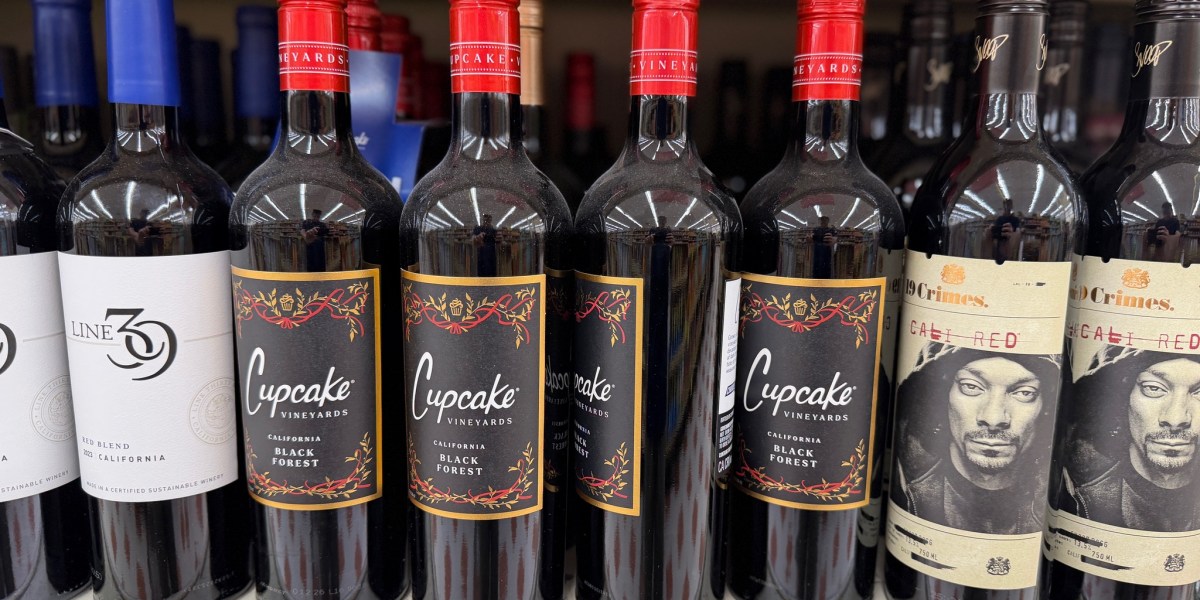
Wine brands are turning to NASCAR, WWE, Shark Week and obstacle-course races as alcohol sales soften and younger consumers prove harder to win over, according to the Associated Press. The push shows how an industry long associated with formal tasting language is trying to meet Gen Z and millennial shoppers in places they already spend time.
The AP reported that alcohol consumption has fallen across much of the market, with the decline gaining speed after the pandemic. The report cited several forces behind the shift, including older consumers seeking healthier habits, Gen Z interest in low- and no-alcohol drinks and broader access to alternatives such as marijuana.
The U.S. alcohol industry is worth about $560 billion, according to the AP. Spirits companies have found growth in ready-to-drink canned cocktails, while wine makers face a tougher problem: many younger shoppers see wine as expensive, confusing or too formal.
Brands move beyond the wine aisle
The Wine Group is among the companies changing its pitch, the AP reported. Helen Kurtz, the company’s chief marketing officer, said the business is trying to make wine feel less self-serious as it promotes brands such as Cupcake Vineyards.
That strategy includes pairing MD 20/20 with World Wrestling Entertainment events and marketing a boxed wine beverage line called Fuel by Franzia around NASCAR. The AP reported campaign taglines including “Mad Dog Enters the Ring” for WWE and “Full Throttle Flavor” for the NASCAR effort.
Christian Miller, director of research for the Wine Market Council, told the AP that wine presents hurdles for younger customers, including price and drinkability. The AP also cited a report from British household products company Lakeland that found fewer than one-third of Gen Z households own a corkscrew.
Sampling can be another barrier, according to the AP. Liquor can be tried in single pours or small bottles, while wine often asks a new customer to buy a full bottle before knowing whether they like it.
Less jargon, more pop culture
Some wine brands are replacing traditional labels and tasting notes with sharper imagery and plainer language, according to the AP. The report said many companies see the $8 to $20 range as a key price band, while marketing tone can matter as much as cost.
Charles Smith, founder of House of Smith, told the AP that his company wants to make wine understandable to people who do not speak in conventional wine terms. His brands include Kung Fu Girl Riesling and SEX Rosé, both cited by the AP as examples of labels built for shoppers who may not respond to old wine conventions.
Bogle Family Wine Collection has used a different approach with Juggernaut Wines, according to the AP. The bottles feature predator imagery, including a shark, a grizzly, an orca and a lion, rather than the calmer estate scenes common on many labels.
Jessica LaBounty, Bogle’s marketing director, told the AP that Juggernaut has sponsored Tough Mudder races for two years and taken part in zoo events where guests name dead rodents and insects after former partners before they are fed to animals. This year, the brand is also tied to Discovery’s Shark Week, with a chardonnay label featuring a great white shark.
Bread & Butter Wines is also using casual messaging, according to the AP. The brand’s “Don’t overthink it” pitch includes pairings such as red blend with candy charcuterie, pinot noir with a Thanksgiving leftovers sandwich and prosecco with fries.
Caitlin Ward, Bread & Butter’s brand and digital marketing director, told the AP that the company wants to stand out on crowded shelves. For wine makers chasing younger drinkers, the AP reported, that increasingly means selling the mood around the bottle as much as the wine inside it.
This story draws on original reporting from Fortune.