
Tapestry’s brand strategy turns on what it can add as an owner
Fortune reports that Scott Roe judges Tapestry’s portfolio moves by whether the company has a distinctive advantage with a brand.
By Sofia Marchetti · World Affairs Correspondent
3 min read
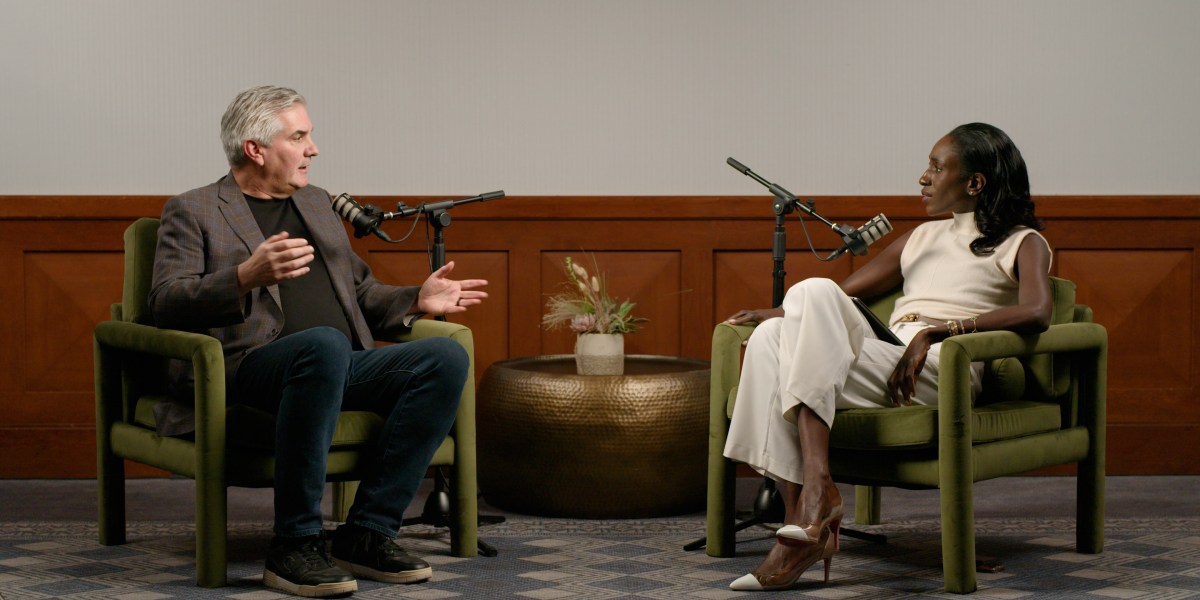
Tapestry’s top operating and finance executive says the owner of Coach and Kate Spade weighs acquisitions and sales by asking what the company can add that another owner cannot. Fortune reported that Scott Roe’s dual role as chief financial officer and chief operating officer places capital decisions and daily execution inside the same strategic discussion.
Roe oversees both how Tapestry allocates money and how the business runs, according to Fortune. That structure helps explain why the company pursued a large acquisition and later sold a brand it had owned for years, even though the moves appeared to point in different directions.
In 2023, Tapestry agreed to buy Capri Holdings for $8.5 billion, Fortune reported. Capri owns Michael Kors, Versace and Jimmy Choo, and the deal would have combined major names in the accessible luxury market.
The Federal Trade Commission blocked the transaction in late 2024, according to Fortune, and Tapestry ended the deal. Months later, the company sold Stuart Weitzman, the footwear brand it had owned since 2015.
Roe told Fortune that both decisions followed the same test: whether Tapestry was the right owner for the asset. The Capri deal fit that view because Michael Kors plays a role in Capri’s business similar to Coach’s role at Tapestry, with overlap in leather goods, consumer data and operating know-how, according to Fortune’s account of Roe’s reasoning.
Stuart Weitzman raised a different issue. Fortune reported that Roe described the label as a strong brand, while also saying premium footwear was not one of Tapestry’s strongest areas of company expertise.
That difference weakened the argument for keeping Stuart Weitzman inside the portfolio, according to Fortune. Roe’s view suggests Tapestry is looking beyond ownership for scale and asking whether its systems, experience and market knowledge give it a better chance than another buyer to improve a business.
Fortune framed the approach as part of a wider change in corporate strategy. Management teams are under pressure to show why they should own particular assets, not only whether a deal can make a company bigger.
The same logic applies to Kate Spade, Fortune reported. Coach has been performing better, while Kate Spade is still in a turnaround, but Roe said he remains confident in the brand because it competes in a large leather goods market where Tapestry has long experience.
Roe attributed Kate Spade’s weaker results to a shift in its customer base, according to Fortune. More price-sensitive shoppers are leaving the brand, while younger customers with higher long-term value are starting to replace them, he said.
Roe also discussed leadership lessons with Fortune, including the need for executives to define what they are known for inside a company. He said that when he arrived at Tapestry, he identified mergers and acquisitions, international growth and executive talent development as core parts of his professional reputation.
According to Fortune, Roe sees that as a matter of making a contribution visible rather than self-promotion. He said leaders whose careers span several companies need to build their reputations deliberately.
This story draws on original reporting from Fortune.