
Tankers resume Oman-side Hormuz crossings after unexplained turnbacks
Oil and gas vessels again used the Oman-side route through Hormuz as naval groups warned of continuing risks in the strait.
By Maya Lindqvist · Senior Technology Correspondent
3 min read
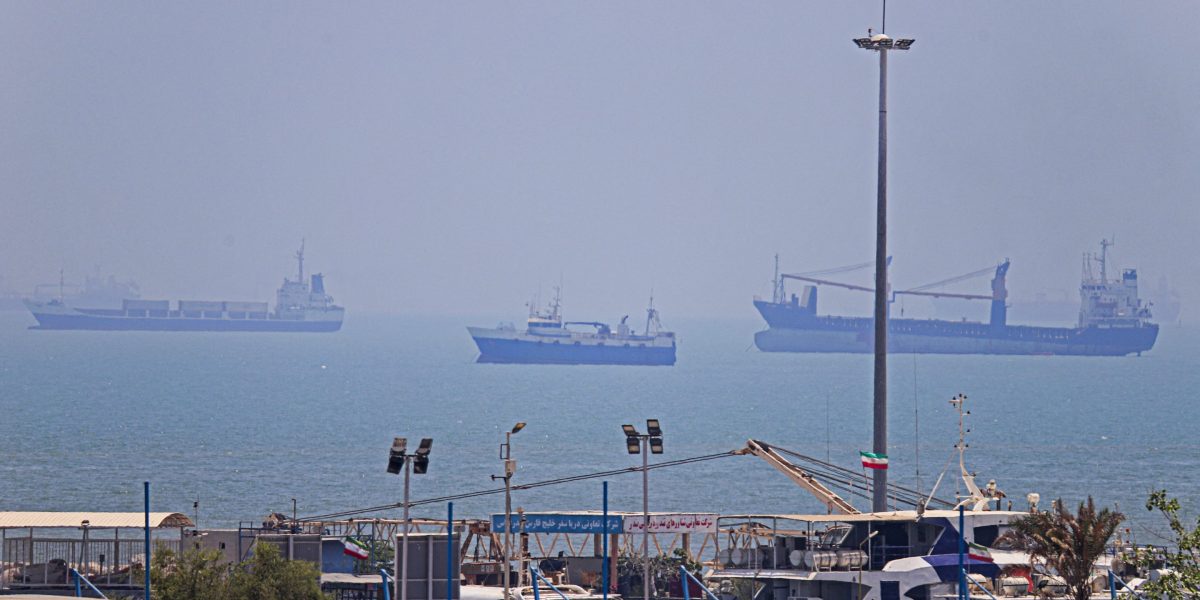
Oil and gas tankers were again sailing through a U.S.-protected passage near Oman in the Strait of Hormuz on Sunday after several vessels turned around or changed course a day earlier, Bloomberg reported. The movements matter because tanker operators’ willingness to use the narrow waterway remains central to restoring normal oil flows after a four-month crisis.
Bloomberg said six oil and gas freighters were observed using the route close to Oman’s coast. The count covered only vessels visible through tracking systems, because some ships are known to pass through the area with transponders switched off to avoid electronic detection.
Western navies continued to describe the threat level in the strait as “substantial,” according to Bloomberg. They have also said the middle of the waterway has been mined, while traffic has continued through selected routes.
Two smaller tankers left the Persian Gulf by using waters nearer Iran, Bloomberg reported. The varied routes show how ships are adjusting their crossings while trying to limit attention from Iranian forces.
Turnbacks followed by fresh crossings
At least eight vessels were seen turning back on Friday and Saturday while using the Oman-side route, Bloomberg reported. Four of those later headed north toward the route closer to Iran and left the strait.
By Sunday, at least one fuel tanker that had turned around appeared to be trying again, passing the tip of Oman’s Musandam peninsula, according to Bloomberg. Another products tanker used the same route earlier while openly broadcasting its planned crossing and later showed a position in the Gulf of Oman.
Other vessels appeared to make the passage without broadcasting their position and then reappeared after leaving the waterway. Bloomberg cited one Suezmax crude carrier that showed up in the Gulf of Oman on Sunday after last transmitting from inside the Persian Gulf on Saturday.
No immediate explanation was available for the Friday and Saturday reversals, Bloomberg reported. Iran has repeatedly said ships should use only the route it designates and authorizes, according to the report.
Tracking data show limited visible traffic
Kpler data cited by Bloomberg showed 19 vessels crossed the Strait of Hormuz in either direction on Saturday. Of those, only one openly signaled an inbound crossing along the Oman coast.
Bloomberg said Friday’s observed count on that route was 13. The figures may be revised as additional crossings by vessels with transponders off are confirmed.
Naval liaison groups had not commented on the abrupt turnarounds, Bloomberg reported. The Joint Maritime Intelligence Center said Sunday that Iranian forces continued to harass commercial shipping.
During much of the war, several ships trying to leave the Persian Gulf through Hormuz reported radio warnings from Iranian forces telling them not to continue without Tehran’s permission, according to Bloomberg. Iran has fired on some vessels that proceeded, the report said.
Tanker companies have struggled with the uneven reopening of the Strait of Hormuz, Bloomberg reported. Their risk decisions remain a key factor for the oil market as it tries to recover from the disruption.
This story draws on original reporting from Fortune.