
Swiss population cap vote alarms Roche and Nestlé over hiring
Switzerland will vote on a 10 million resident ceiling that business groups say could restrict access to foreign workers and strain EU ties.
By Maya Lindqvist · Senior Technology Correspondent
3 min read
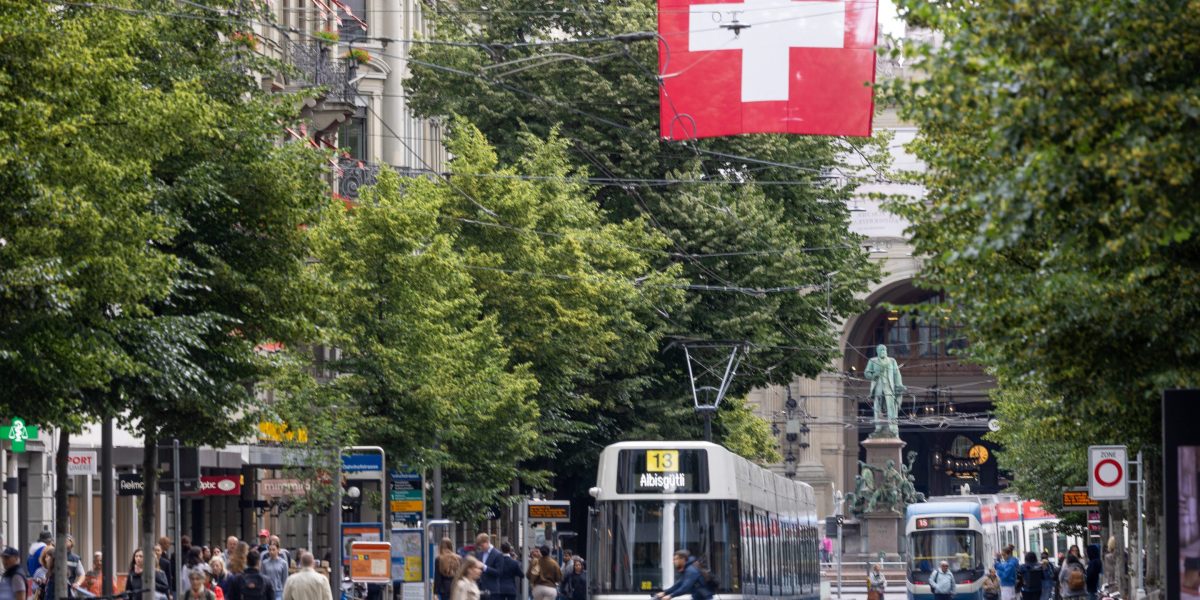
Swiss voters are set to decide Sunday, June 14, whether to cap the country’s population at 10 million, a proposal that has drawn warnings from Roche, Nestlé and business groups over access to skilled workers. The vote matters for companies in one of Europe’s richest economies because the plan could eventually force tighter immigration rules and put Switzerland’s labor links with the European Union at risk.
The measure is backed by the right-wing Swiss People’s Party, or SVP, which has presented it as a sustainability initiative aimed at curbing population growth and immigration. Supporters argue that a rising population is adding strain to housing, transport, schools and hospitals, according to Martina Mousson, a senior project manager at Swiss polling firm gfs.bern, and say limits would help protect natural resources and living standards.
Switzerland’s system of direct democracy allows citizens to seek constitutional changes if they gather 100,000 signatures from voters within 18 months. Most such initiatives fail, but polling by gfs.bern indicates a tight contest: among eligible voters who planned to take part, 45% said they would definitely or probably support the proposal, 52% said they would definitely or probably oppose it, and 3% were undecided.
If the initiative passes, the government would have to take steps to keep the population below 10 million by 2050. Switzerland now has about 9.1 million residents. The proposal could trigger stricter rules on asylum and family reunification once permanent residents reach 9.5 million, and could require Switzerland to end its free-movement accord with the EU if the 10 million ceiling is crossed.
Mousson said the vote is unusual because it sets a fixed national headcount rather than a percentage target. Switzerland considered a similar immigration initiative in 2014, but the current proposal goes further by writing an absolute population limit into policy.
Business groups say the cap would hit Switzerland’s ability to recruit abroad. Economiesuisse, whose members include Roche, Glencore and the Swiss units of Google, Amazon Web Services and Accenture, opposes the initiative. Rudolf Minsch, the federation’s chief economist, said Switzerland depends heavily on highly qualified foreign employees and that large immigration restrictions would hurt innovation, growth and competitiveness.
The free movement of EU citizens to live and work in Switzerland has been in place since 2002. Since then, Switzerland’s population has risen by nearly 2 million and gross domestic product has grown from $314 billion to more than $1 trillion, according to the International Monetary Fund.
Reto Föllmi, professor of international economics at the University of St. Gallen, said immigration has helped Switzerland’s pharmaceutical, chemical and IT sectors expand by supplying younger and highly educated workers. About 30% of Switzerland’s population was born outside the country.
Roche, which employs 15,500 people in Switzerland and more than 100,000 worldwide, said it is highly concerned about the initiative and regards free movement as central to the pharmaceutical industry. Jürg Erismann, Roche’s Basel site manager, said Switzerland’s domestic labor pool cannot meet the sector’s need for highly qualified research staff.
Nestlé also warned against limiting worker access while acknowledging public concerns about migration’s effects on society and infrastructure. Christoph Meier, the company’s global head of external communications, said free movement supports the competitiveness and innovation of the Swiss economy and that restrictions could weaken Switzerland as a business location.
The employers’ association Die Arbeitgeber, which represents more than 100,000 businesses employing around 2 million people, has also warned of economic risks. Stefan Heini, its head of communications, said a 10 million ceiling would ignore Switzerland’s aging population and could endanger EU agreements that support the country’s economic success.
This story draws on original reporting from Fortune.