
Swedish design group says B2B pivot helped offset retail shock
NGLM founder Axel Söderberg says the company recovered from a 2022 sales slump by building Yllw, a business serving hotels, offices and restaurants.
By Daniel Okafor · Business Editor
3 min read
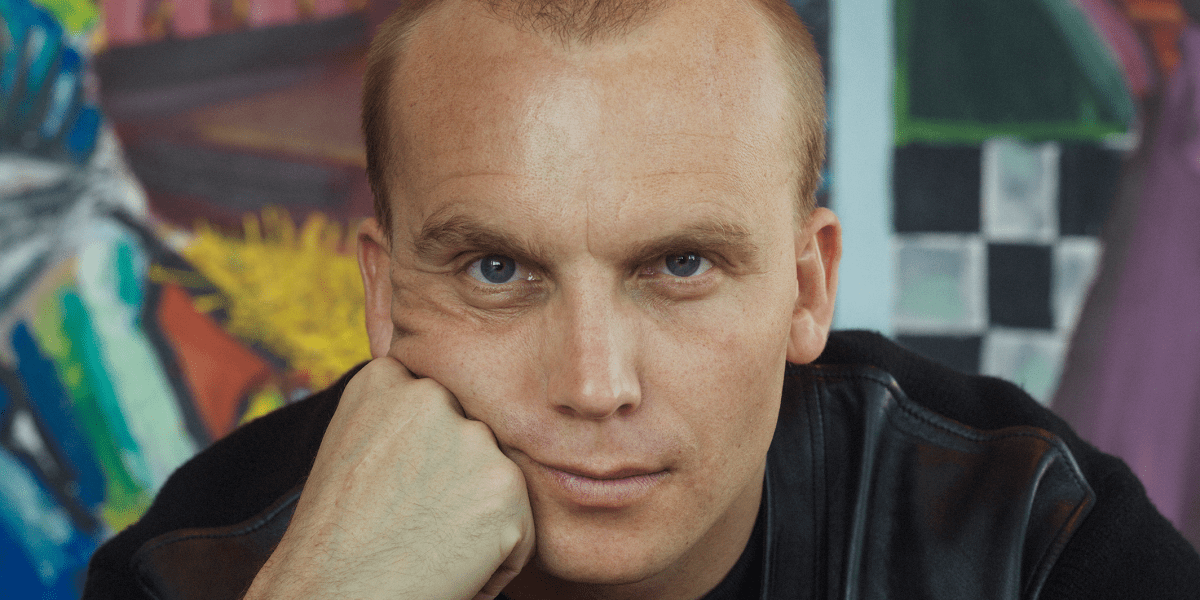
Swedish furniture entrepreneur Axel Söderberg says a sharp sales drop after Russia’s invasion of Ukraine forced NGLM Group to shift beyond luxury retail and build a business aimed at commercial interiors. In a Fortune commentary, Söderberg said the move helped fund the survival of Nordiska Galleriet, now branded as NOGA outside Sweden, after the company’s 2022 plans unraveled.
Söderberg is the founder and CEO of NGLM Group, a Swedish design group with operations in Europe and the United States. According to Fortune’s author note, the group includes Nordiska Galleriet, Yllw, Dusty Deco and Länna Möbler, and has grown at an average annual rate of 52% since its founding in 2016, reaching SEK 1.3 billion in revenue without outside venture capital or private equity.
Before the crisis, Söderberg said NGLM’s furniture brands were expected to generate $180 million in 2022, up from $5 million in 2017. He said the company had recently doubled its warehouse capacity, was building a large IT platform and had plans to expand in several markets.
That plan changed when the war began. Söderberg said he saw sales fall 30% while he was on a ski trip in the Swiss Alps, and the company later confirmed the drop was real.
Supply delays hit retail orders
Söderberg said Ukraine and Russia were important European sources of oak, and the war created delays of six to 12 months. NGLM had to cancel hundreds of customer orders, he said.
The impact extended beyond supply chains. Söderberg said luxury furniture demand weakened as Europe’s economy slowed, with shoppers treating high-end furniture as a discretionary purchase. He also wrote that LVMH reported falling turnover and that the furniture sector had its weakest year since World War II.
In Sweden’s premium furniture segment, Söderberg said more than half of NGLM’s competitors have closed or sought bankruptcy protection over the past four years. He also said Swedish inflation rose by more than 20% between 2022 and 2024.
NOGA’s financial position changed quickly, according to Söderberg. He said the business went from producing €6 million in profit, while growing organically by nearly 80%, to losing the same amount.
Yllw became the recovery vehicle
Söderberg said cost reductions and restructuring would not have been enough because luxury e-commerce was unlikely to regain profitability quickly. He responded by starting Yllw in 2022, a company focused on business customers such as hotels, restaurants and offices.
Yllw’s model, according to Söderberg, combines moving services, project management and furniture purchasing or rental for commercial clients. He said the company also built technology to help sales teams work more efficiently than larger, more hierarchical competitors.
The B2B focus reduced exposure to consumer spending swings and retail discounting, Söderberg said. He said Yllw turned profitable in its first year and that its profits helped support NOGA.
Four years after launch, Söderberg said Yllw is budgeted for €110 million in turnover and €10 million in profitability this year. He also said NGLM is back to $180 million in turnover in 2026, with what he described as lower risk than before.
Söderberg said the episode changed how he manages the group. He wrote that he now balances profit with risk, uses part ownership and dividends for employees, prioritizes current profitability before major change, and prefers modular business models that can scale up or down more easily.
This story draws on original reporting from Fortune.