
Sterile fly plant delay complicates U.S. fight against screwworm
The main U.S. tool to suppress New World screwworm will not reach early output targets until November 2027, leaving Texas cattle exposed.
By Hana Yoshida · Markets Reporter
4 min read
The United States is facing a New World screwworm outbreak in Texas before its main production tool for fighting the pest is ready. Bloomberg reported that a Texas facility meant to raise sterile flies, the key method used to break the parasite’s breeding cycle, is not expected to hit its first production target until November 2027.
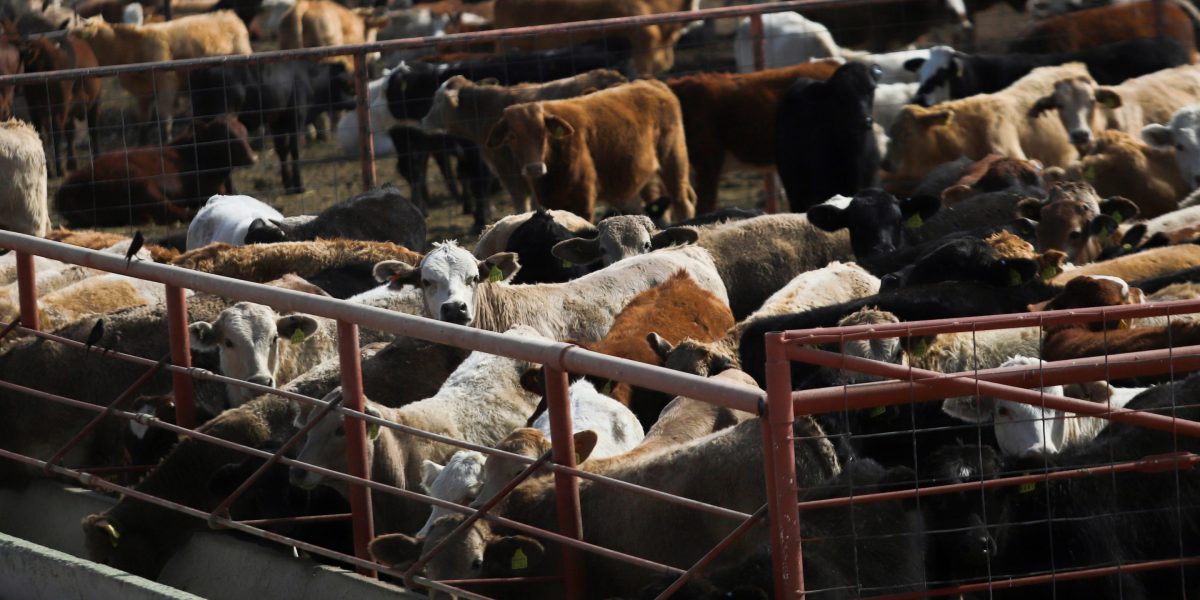
The timing matters for the beef industry because the parasite has been found in six cattle in Texas, the nation’s top cattle-producing state, according to Bloomberg. The cases are the first in U.S. livestock in about five decades, after the pest moved through Mexico for more than a year before reaching the United States this month.
New World screwworm is a fly whose larvae can infest wounds in warm-blooded animals, according to federal health and agriculture agencies cited by Bloomberg. Federal officials have prepared quarantines, medications and fly releases, but the supply of sterile insects remains short of what experts say is needed for a broad response.
Sterile flies are in short supply
The U.S. Department of Agriculture says the only operating sterile fly production plant in North America is in Panama, where 100 million insects are produced and released each week. A site in Metapa, Mexico, could as much as double total output when it begins operating, which USDA has said could happen as early as this summer.
The larger U.S. project is being built at Moore Air Base in Texas. According to USDA plans cited by Bloomberg, that plant is expected to reach an initial output of 100 million flies a week in November 2027, with a later goal of 300 million a week.
Agriculture Secretary Brooke Rollins told reporters around a Senate hearing Wednesday that eradication will require several hundred million additional flies, while containment may be possible before then. Rollins said she did not yet know how far the pest could spread and wanted about a month to assess conditions, Bloomberg reported.
The sterile fly method uses radiation to sterilize screwworm pupae, after which male flies are released to mate with wild females, according to USDA. The females typically mate once, according to the Centers for Disease Control and Prevention, so their unfertilized eggs do not produce a new generation.
Lee Haines, an associate research professor at the University of Notre Dame, told Bloomberg that a female screwworm fly can lay more than 3,000 eggs during a two- to four-week life span without intervention.
Cattle costs could rise
The outbreak comes as drought and high production costs have pushed the U.S. cattle herd to a 75-year low, according to Bloomberg. The tight supply has already contributed to record consumer beef prices and losses among beef processors, Bloomberg reported.
Arlan Suderman, chief commodities economist at StoneX Group, told Bloomberg that livestock producers will face added costs for monitoring and treating animals while sterile fly capacity remains limited. Derek Foster, an associate professor of ruminant medicine at North Carolina State University, said treating whole herds can become expensive because it requires both medicine and labor over a potentially long period.
The Food and Drug Administration has conditionally approved several drugs, and Rollins has said supplies from USDA’s National Veterinary Stockpile have been sent to Texas, according to Bloomberg. Justin Welsh of Merck Animal Health told Bloomberg that the company’s product availability is strong and that distributor inventories are being replenished daily.
Texas Agriculture Commissioner Sid Miller has criticized USDA’s response and called for a bait system designed to attract and kill female flies alongside sterile fly releases. USDA Under Secretary Scott Hutchins said earlier this month that the agency sees value in lure-and-kill technology but is not using Miller’s proposed system because the attractant would draw many kinds of flies, Bloomberg reported.
Senators also pressed Rollins in a Thursday letter to speed sterile fly production, consider Defense Production Act authorities, add staff and ensure USDA relocation plans do not disrupt the response, according to Bloomberg.
This story draws on original reporting from Fortune.