
SpaceX prices record IPO as Musk tells Nasdaq he once doubted survival
SpaceX set a $135 IPO price, valuing the company at $1.77 trillion, while Elon Musk told Nasdaq he once saw slim odds of success.
By Hana Yoshida · Markets Reporter
3 min read
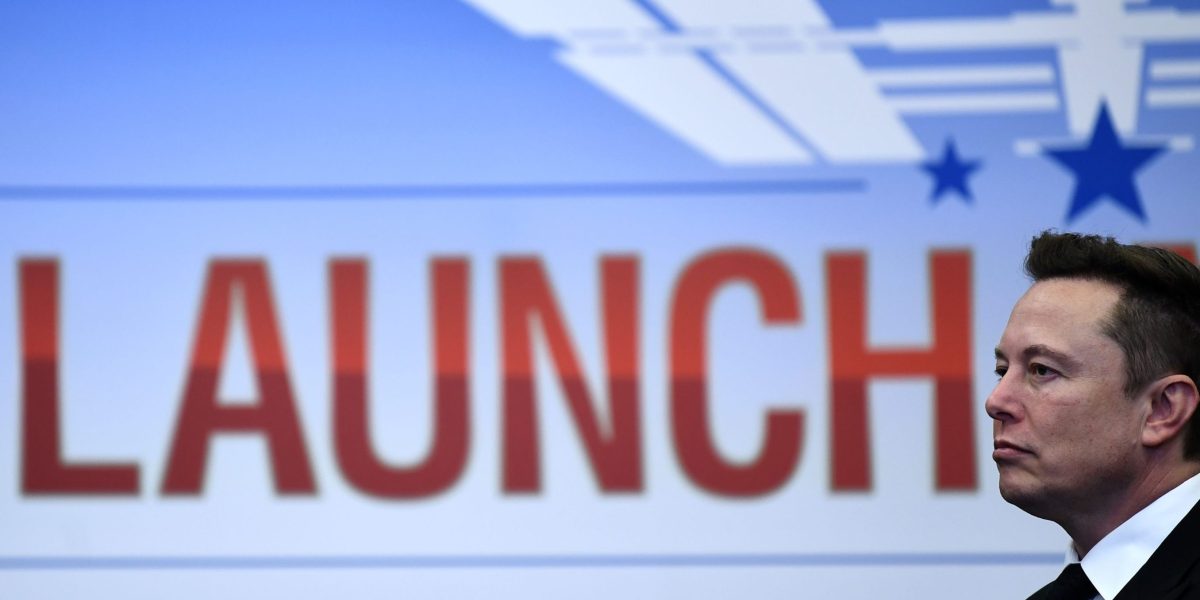
SpaceX priced its public offering at $135 a share, raising $75 billion and giving Elon Musk’s rocket and satellite company a $1.77 trillion valuation, according to a free-writing prospectus filed with the Securities and Exchange Commission. The deal puts SpaceX in line for the largest nominal IPO on record as it prepares to list on the Nasdaq Global Select Market and Nasdaq Texas under the ticker SPCX.
Musk addressed Nasdaq before the debut and framed the company’s ambitions around human travel beyond Earth. “SpaceX wants to be able to take you to the moon,” Musk said, adding that he believed the company’s team could deliver on that goal.
Musk also told SpaceX employees he had little confidence in the venture when it began. “I gave SpaceX less than a 10% chance of succeeding at all,” he said.
The SEC filing said SpaceX is selling 555.6 million shares. Underwriters also have a 30-day option to buy as many as 83.3 million more shares, which would increase the total proceeds to $86.25 billion.
A record-size market debut
Fortune reported that the offering surpasses Saudi Aramco’s 2019 IPO in nominal dollars. Aramco raised $25.6 billion in Riyadh at a $1.71 trillion valuation, though Fortune noted that Aramco’s raise would equal $33.2 billion and its valuation $2.21 trillion after adjusting for inflation.
The SpaceX sale covers about 4% of its roughly 13.08 billion shares outstanding, according to Fortune. At the IPO price, Fortune reported, SpaceX would rank as the sixth-most valuable U.S. company and the seventh-most valuable company worldwide, ahead of Meta and Tesla.
The valuation comes despite financial losses. Fortune reported that SpaceX had a $4.9 billion net loss in 2025 on $18.7 billion in revenue, most of it from Starlink, and said the combined SpaceX-xAI entity had accumulated a $41.3 billion deficit.
SpaceX may also enter major indexes faster than most newly public companies. Fortune reported that SpaceX does not meet the S&P 500’s profitability requirement, but a Nasdaq rule change that took effect in May could allow large new listings to enter the Nasdaq-100 after 15 trading days. FTSE Russell and other index providers have also agreed to speed inclusion, Fortune reported.
Demand, control and risk
Investor demand exceeded the shares on offer. Fortune reported that the roadshow drew $250 billion in orders and that Goldman Sachs led a 21-bank underwriting group that also included Morgan Stanley, Bank of America, Citigroup and JPMorgan among the top banks.
SpaceX also set aside roughly 30% of the offering for retail investors, about three times the usual allocation for a deal of this size, according to Fortune. The company fixed the $135 price before the roadshow, rather than setting a range and letting investor orders determine the final level, Fortune reported.
Musk will keep control through a multi-class share structure. New York state and city comptrollers and the head of CalPERS said in a letter, as cited by Fortune, that Musk could hold as much as 85% of voting power while owning about 42% of the equity.
Morningstar has taken a more cautious view of the company’s worth. Fortune reported that Morningstar estimated SpaceX’s fair value at $780 billion, about 55% below the IPO valuation, citing unproven assumptions around a rapidly reusable Starship and commercially viable orbital data centers.
One operational concern remains unresolved. Fortune reported that Starship, central to SpaceX’s long-term projections, is grounded while the Federal Aviation Administration investigates its most recent test-flight mishap.
This story draws on original reporting from Fortune.