
SpaceX lockup bars Musk sales for a year after IPO
SpaceX’s post-IPO lockup schedule releases insider shares in stages, while Elon Musk’s roughly 6.4 billion shares remain locked for 366 days.
By Hana Yoshida · Markets Reporter
3 min read
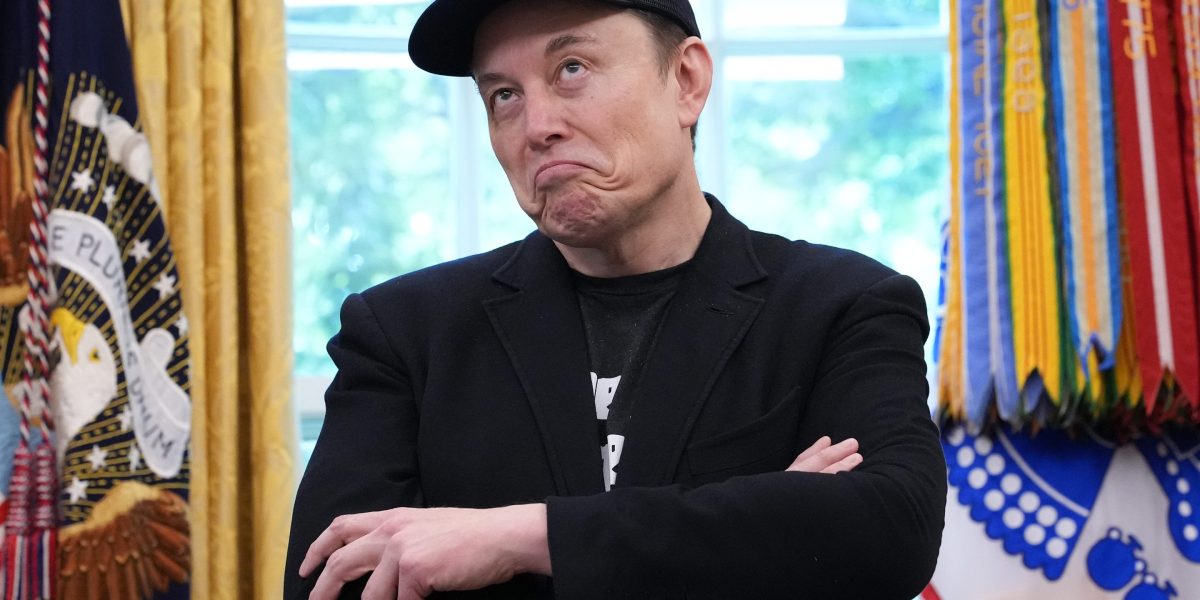
Elon Musk cannot sell his SpaceX shares for 366 days under the company’s post-IPO lockup plan, according to company filings with the Securities and Exchange Commission. The structure matters because most other locked-up SpaceX shares will become eligible for sale in stages, creating a complex test for one of the largest new public companies.
SpaceX raised about $86 billion in its public offering last month, Fortune reported. The company sold only about 4% to 5% of its stock in the IPO, leaving roughly 95%, or about 12.5 billion shares, subject to lockup limits, according to Fortune’s report on the filing.
Lockups are common after an IPO. Lise Buyer, an IPO adviser at Class V Group, told Fortune they are meant to keep insiders from selling immediately after a listing and to reassure new investors that executives and early backers remain committed through early public reporting periods.
A staggered release for most holders
SpaceX’s plan sets 15 dates when insiders may be able to sell shares in the public market, according to the SEC filing cited by Fortune. For holders other than Musk and large investors, the plan allows portions of shares to become eligible during the first 180 days, including 7% slices on dates in August, September and October.
Additional releases are tied to SpaceX’s quarterly earnings reports and stock-price conditions, according to the filing. Fortune reported that one major release is scheduled after SpaceX’s first public-company earnings report for the second quarter of 2026, with another large tranche after the next earnings report and the remainder available at the 180-day mark.
Avery Marquez, director of investment strategies at Renaissance Capital, told Fortune the arrangement ranks among the most complicated lockup structures her firm has tracked. Buyer said she had not seen such a large share of a company’s stock become eligible before the usual 180-day window closes.
Marquez and Buyer told Fortune the design appears intended to prevent billions of shares from reaching the market at the same time. Hans Tung, managing partner at Notable Capital and an early SpaceX investor through an acquired company, told Fortune the schedule could let some holders sell gradually while others continue to hold.
Musk’s shares unlock later
Musk’s treatment is different. He owns roughly 6.4 billion SpaceX shares and controls about 82% of the company’s voting power through Class A stock and Class B supervoting shares, Fortune reported. His shares have no early-release provisions and become eligible for sale all at once after 366 days.
Jay Ritter, a University of Florida professor who studies IPOs, told Fortune he would not be surprised if Musk sells no SpaceX stock. Fortune noted that Musk has often held his Tesla stake and borrowed against it, while selling Tesla shares only when he needed to.
Marquez told Fortune Musk could even buy shares as other investors sell, though she framed that as speculation. Tung told Fortune he does not expect Musk to buy immediately, but said buybacks over a longer period would not surprise him.
SpaceX shares priced at $135 in the IPO, opened at $150 and later climbed as high as $226, Fortune reported. The stock has since retreated to about $162, giving SpaceX a market value of roughly $2.61 trillion, according to Fortune.
This story draws on original reporting from Fortune.