
SpaceX IPO could expose risks in private-share trading
Fortune reports that SpaceX’s expected listing may test a fast-growing secondary market where ownership claims can be hard to verify.
By Hana Yoshida · Markets Reporter
3 min read
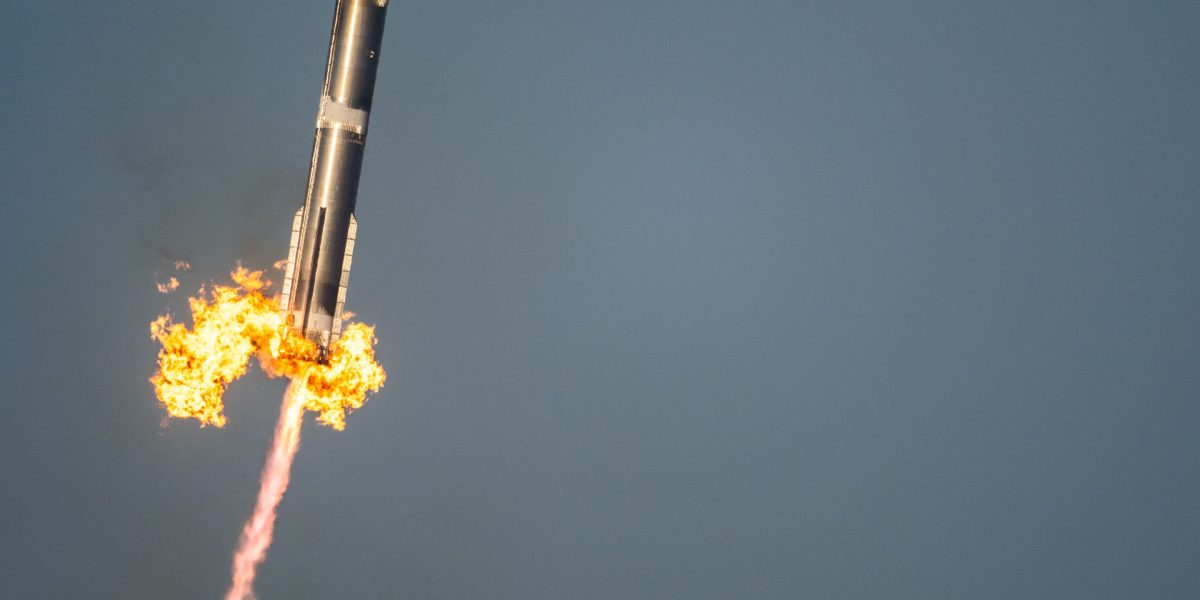
SpaceX’s expected public debut is poised to give investors their first clear test of years of private-share trading tied to the company, Fortune reported. The listing matters beyond SpaceX because Fortune says it could reveal fraud, disputed ownership and unexpected fees across a large but opaque secondary market.
Fortune reported that some investors who bought exposure to SpaceX outside public markets will learn only after the IPO and lockup period whether they hold what they believe they bought. The publication said the U.S. venture secondary market was estimated in 2025 at between $62.5 billion and $120.9 billion.
The secondary market lets employees and early investors in private companies sell economic exposure before an IPO, Fortune reported. It has grown as venture-backed startups have stayed private for longer periods, leaving venture funds and employees waiting years to turn paper gains into cash.
Private companies stayed private longer
Fortune reported that the average venture-backed unicorn now stays private for at least 10 years, while the number of public companies is about half what it was in 1996. The publication said deeper pools of private capital have made it easier for companies to avoid public-market scrutiny.
That shift has created demand for shares in large private companies, Fortune reported. According to private market investors cited by Fortune, OpenAI is valued at $852 billion, while Anthropic was recently valued at $965 billion.
Fortune reported that OpenAI and Anthropic have both confidentially filed to go public, while noting that such filings do not ensure an offering will happen or set a timeline. The publication framed SpaceX, OpenAI and Anthropic as the companies whose listings could force more scrutiny of private-market trading practices.
SPVs add layers between buyer and shares
Fortune reported that many private-share deals run through brokers, platforms and special purpose vehicles, or SPVs. Some operators are established firms, while others advertise access through informal channels, the publication said.
SPVs often pool investors to buy exposure to private shares, Fortune reported. The publication said these structures can add several layers between a buyer and the original shareholder, making it difficult for end investors to know the chain of ownership or the fees taken along the way.
Glen Anderson, cofounder and CEO of Rainmaker Securities, told Fortune that investors in SPVs are often trading units rather than shares. He said the company’s capitalization table may not change and the transaction often may not require company approval.
Fortune reported that companies can have little visibility into SPVs trading exposure to their stock. That creates a gap between the company’s official shareholder records and the number of people who believe they have an economic stake, according to Fortune.
Fraud concerns surround the market
Anduril cofounder Matt Grimm told Fortune that some secondary sellers are targeting eager investors with claims he views as unreasonable or deceptive. Fortune reported that Anduril has been one of the most vocal companies warning about scams in the secondary market.
Fortune cited the case of Giovanni Pennetta, who federal prosecutors charged with fraudulently selling millions of dollars of nonexistent Anduril shares through a pitch deck. The publication reported that Pennetta was caught at New York’s JFK Airport while trying to flee.
Samir Kaji, CEO and cofounder of private markets platform Allocate, told Fortune that misleading investors about the economics of layered SPV deals can still amount to fraud. He said SpaceX’s listing could show how many synthetic holders existed before the company became public.
Fortune reported that market participants believe the SEC is looking at the area, though any rulemaking or enforcement could take time. The publication said SpaceX’s IPO could bring litigation as investors discover whether their private-market stakes match what they expected.
This story draws on original reporting from Fortune.