
SpaceX IPO prices Musk’s space company at $1.77 trillion, Fortune says
Fortune says SpaceX is selling $75 billion of stock, with retail investors, BlackRock and skeptics all focused on Musk’s Mars-driven pitch.
By Maya Lindqvist · Senior Technology Correspondent
3 min read
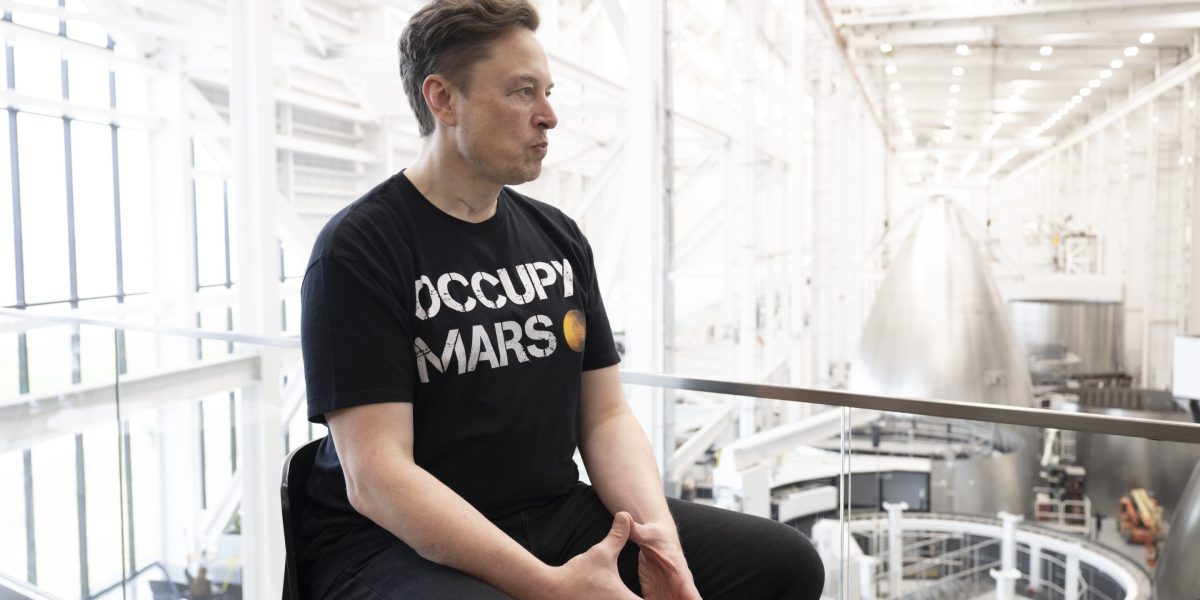
SpaceX is going public in an offering that Fortune says values Elon Musk’s aerospace and satellite company at $1.77 trillion. The planned $75 billion share sale matters because it tests how far investors will follow Musk’s long-term space ambitions despite concerns about valuation, governance and losses.
Fortune reported that demand is expected to be strong for the shares, even as Morningstar has taken a far more cautious view. Morningstar values the stock at $63 a share, according to Fortune, which is 53% below the IPO price cited in the report.
BlackRock has reportedly placed a $5 billion order for shares, Fortune said. The newsletter described SpaceX as a money-losing company with goals that include sending one million people to Mars.
Debt repayment and valuation questions
Fortune said SpaceX’s prospectus shows that more than three-quarters of the money raised in the IPO will go toward paying down debt. Analysts cited by Fortune said the company would need to produce $1.1 trillion in revenue and $250 billion in profit to support its market value.
The report framed the offering as a case study in the pull of a founder-led story. Musk has long promoted the goal of making humans a multi-planetary species, and Fortune said that idea remains easy for investors and the public to understand.
Fortune also reported that Musk set aside 30% of the IPO shares for retail investors. At the IPO price cited by Fortune, that would put ordinary buyers into the same high-profile deal as institutional investors, though likely at smaller allocations.
Founder control remains central
The SpaceX offering also highlights how much control investors are willing to give founders in technology listings, according to Fortune. The report compared the structure with Google’s 2004 IPO, when Sergey Brin and Larry Page used a dual-class share system that gave founders greater voting power than public investors.
Dual-class structures have since become common in technology IPOs, Fortune said. In SpaceX’s case, the report said shareholders would have almost no practical say over company governance and that Musk cannot be removed as chief executive.
Fortune argued that the structure reflects a broader belief among investors that founders may be best positioned to run high-growth companies. That belief has rewarded some shareholders in past technology listings, but it also leaves public investors with limited tools if they disagree with management.
Musk’s public profile shapes the deal
Fortune pointed to Musk’s public persona as another part of the IPO’s appeal. The report said Musk’s willingness to state ambitious goals and take visible risks separates him from executives who rely on more cautious public messaging.
Fortune also noted skepticism around the broader SpaceX share market. Anduril cofounder Matt Grimm told Fortune’s Allie Garfinkle that some people may think they have bought into SpaceX while actually funding unrelated activity through secondary-market deals.
The central lesson from the offering, according to Fortune, is that narrative and founder authority can outweigh conventional concerns for some investors. With SpaceX seeking a $1.77 trillion valuation, the IPO gives public markets a direct chance to price Musk’s space vision.
This story draws on original reporting from Fortune.