
SpaceX IPO could push Elon Musk past $1 trillion
SpaceX’s planned Nasdaq debut would raise $75 billion, topping Saudi Aramco’s record IPO, while drawing questions over losses and governance.
By Maya Lindqvist · Senior Technology Correspondent
3 min read
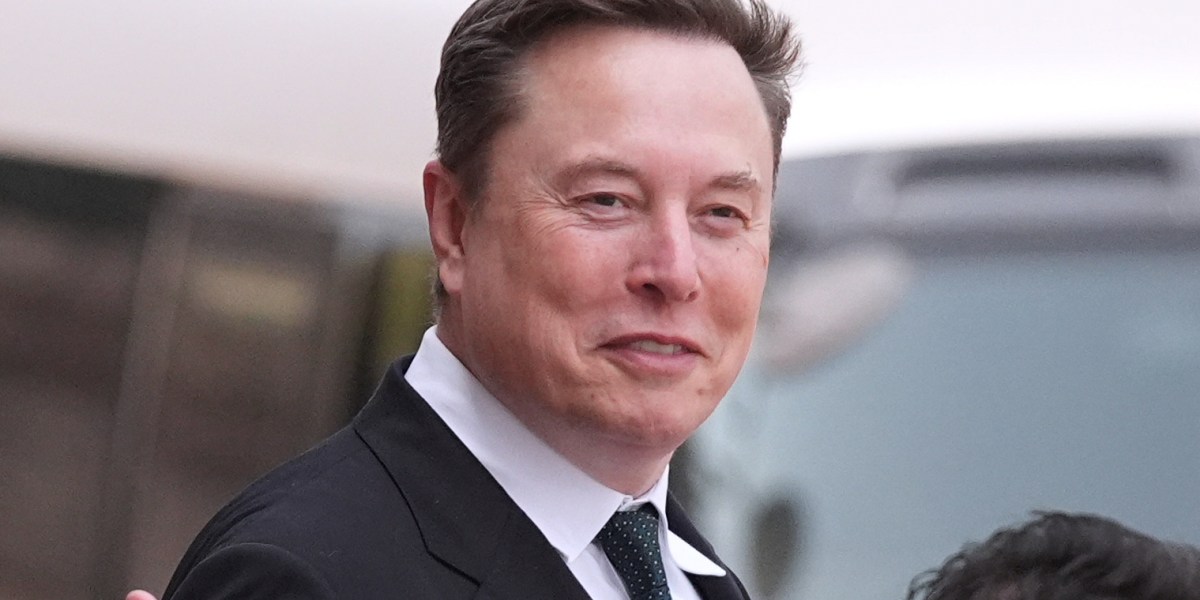
SpaceX is set to start trading on Nasdaq on Friday in an offering that would raise $75 billion and could make Elon Musk the world’s first trillionaire, Fortune and The Associated Press reported. The debut gives public investors a chance to buy into Musk’s rocket company, while analysts and pension officials are questioning its losses, valuation and governance.
Fortune and AP reported that SpaceX is offering 555.6 million shares under the ticker SPCX. The fundraising total would surpass the $26 billion raised by Saudi Aramco in 2019, the current record for an initial public offering, according to the report.
Musk joined Nasdaq’s ceremonial opening bell remotely from Starbase, SpaceX’s South Texas base, Fortune and AP reported. He repeated his aim “to make life multi-planetary” and said SpaceX wants to carry ordinary people beyond Earth.
“Not just a few astronauts, I mean literally you,” Musk said, according to Fortune and AP. “Whoever you are watching this, SpaceX wants to be able to take you to the moon, take you to Mars and ultimately beyond.”
Big ambitions, big losses
Forbes put Musk’s wealth at $982.6 billion before SpaceX’s first trade, Fortune and AP reported. The IPO is expected to lift that figure past $1 trillion on paper, though much of Musk’s wealth is tied to stock and performance-based grants rather than cash, according to the report.
SpaceX’s plans go far beyond launch services and satellites. Fortune and AP reported that the company has described goals including a one-million-person colony on Mars, additional off-Earth settlements, orbiting data centers the size of football fields and a push to compete with Anthropic and OpenAI in artificial intelligence.
Those goals require more capital than SpaceX’s current operations generate, according to Fortune and AP. The company lost $8.7 billion from the start of 2025 through March 31, 2026, the report said.
Morningstar analysts argued the offering price is too high, Fortune and AP reported. The research firm, which does not collect investment banking fees from the IPO, called the deal “significantly overvalued” because SpaceX still needs large amounts of capital and has not yet proved all of the technology behind its plans.
Morningstar estimated SpaceX is worth $780 billion, less than half the valuation implied by the IPO, according to Fortune and AP.
Investor demand and governance concerns
Wall Street banks working on the IPO have backed the deal, Fortune and AP reported, while both large institutions and individual investors have shown demand for the shares. Trading was expected later Friday, according to the report.
Nasdaq changed its rules so SpaceX could enter funds tied to its indexes within 15 days, Fortune and AP reported. That would force some index investors to buy SpaceX shares sooner than under the prior timing.
Some pension fund officials in California and New York objected to parts of the offering in a letter to SpaceX last month, according to Fortune and AP. The officials, representing funds for firefighters, teachers and other public workers, criticized provisions including super-voting shares, mandatory arbitration for shareholder claims and the amount of control Musk would retain.
Musk’s record gives supporters a case for betting on him, Fortune and AP reported. He made about $200 million from Zip2 and PayPal sales, then used that money to start SpaceX and invest in Tesla; SpaceX developed reusable rockets, while Tesla helped bring electric vehicles into the mainstream.
Tesla shares have returned 20,000% since the company went public in 2010, creating more than $1.2 trillion in investor wealth, according to Fortune and AP. The report also noted that Musk has drawn criticism over his Tesla compensation, clashes with regulators, work across multiple companies and a role last year in the Trump administration.
This story draws on original reporting from Fortune.