
SpaceX debut delivers concentrated gains for top venture firms
SpaceX’s public listing is set to reward firms including Founders Fund, Andreessen Horowitz, Sequoia, Valor and DFJ Growth.
By Daniel Okafor · Business Editor
3 min read
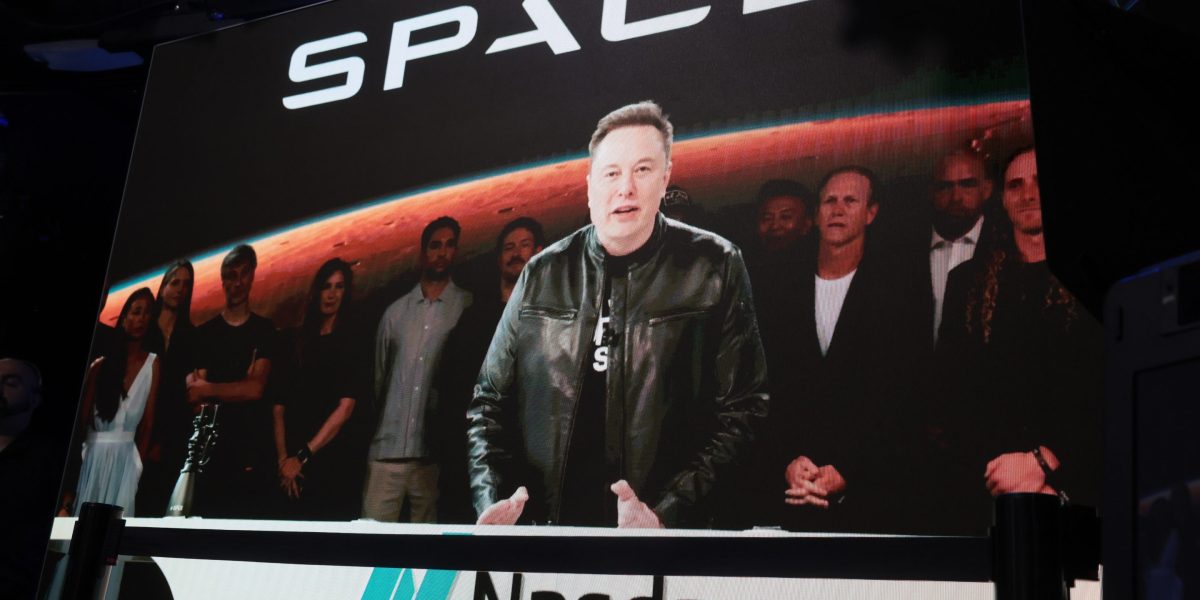
SpaceX’s stock market debut has handed some of Silicon Valley’s best-known investors one of venture capital’s largest exits. Fortune reported that the company’s valuation reached nearly $1.8 trillion after shares rose in their first day of trading, concentrating gains among a small group of venture firms and asset managers.
The listing also marks a test case for a long-running shift in venture capital: private companies staying private for far longer while raising far more money. Fortune reported that U.S. venture firms put $20.3 billion into private companies in 2002, the year Elon Musk founded SpaceX, a figure far below the tens of billions now raised by single artificial intelligence companies such as OpenAI or Anthropic.
Several major SpaceX backers either did not exist when the company was founded or entered years after its early rocket work began. Fortune reported that Founders Fund, launched in 2005 by Peter Thiel, Luke Nosek and Ken Howery, first invested $20 million in SpaceX in 2008.
Andreessen Horowitz, founded in 2009, first invested in SpaceX in 2023, when the company was valued at $137 billion, according to Fortune. Sequoia first backed SpaceX in 2019, with partner Shaun Maguire leading the investment, and has put more than $2 billion into the company across funds, Fortune reported, citing a person familiar with the matter.
Valor Equity Partners, run by longtime Musk ally Antonio Gracias, is also among the major winners, according to Fortune. Fortune reported that Valor’s SpaceX position could exceed $90 billion, and noted that the firm’s other investments include Zipline and WEKA.
DFJ Growth stands out because of how early it entered and how long it held the position. Fortune reported that the firm invested $10 million in SpaceX from its first institutional fund in 2009 and has since invested more than $800 million in the company. Randy Glein, DFJ Growth’s cofounder and managing partner, has served as a SpaceX board observer since 2009, according to Fortune.
Glein told Fortune last year that early prospective investors questioned how many companies could reach valuations of $1 billion or more. That skepticism now contrasts with SpaceX’s reported public-market valuation, which Fortune described as a clear payoff for investors willing to hold a private company stake for well over a decade.
Kyle Stanford, PitchBook’s director of U.S. venture capital research, told Fortune the IPO gives venture firms a high-profile example of the returns they can still produce. Stanford said the deal could also help build confidence that the IPO market is reopening, especially if other highly valued private companies seek listings.
The gains, however, are unevenly distributed. Stanford told Fortune that SpaceX’s cap table is dominated by leading venture firms and major global asset managers, rather than emerging managers or mid-tier investors.
Fortune reported that SpaceX may become the example venture investors point to when defending long private-company holding periods, even if its outcome proves unusual. Stanford told Fortune that SpaceX, and potentially Anthropic and OpenAI if they go public, could dominate 2026 exit-value charts and reinforce venture capital’s power-law model, in which a small number of companies account for much of the industry’s returns.
This story draws on original reporting from Fortune.