
Southwest jet fuel shipment from Texas to LA highlights supply strain
Southwest moved 12.6 million gallons of Texas jet fuel to Los Angeles as West Coast supply worries and higher costs hit airlines.
By Hana Yoshida · Markets Reporter
3 min read
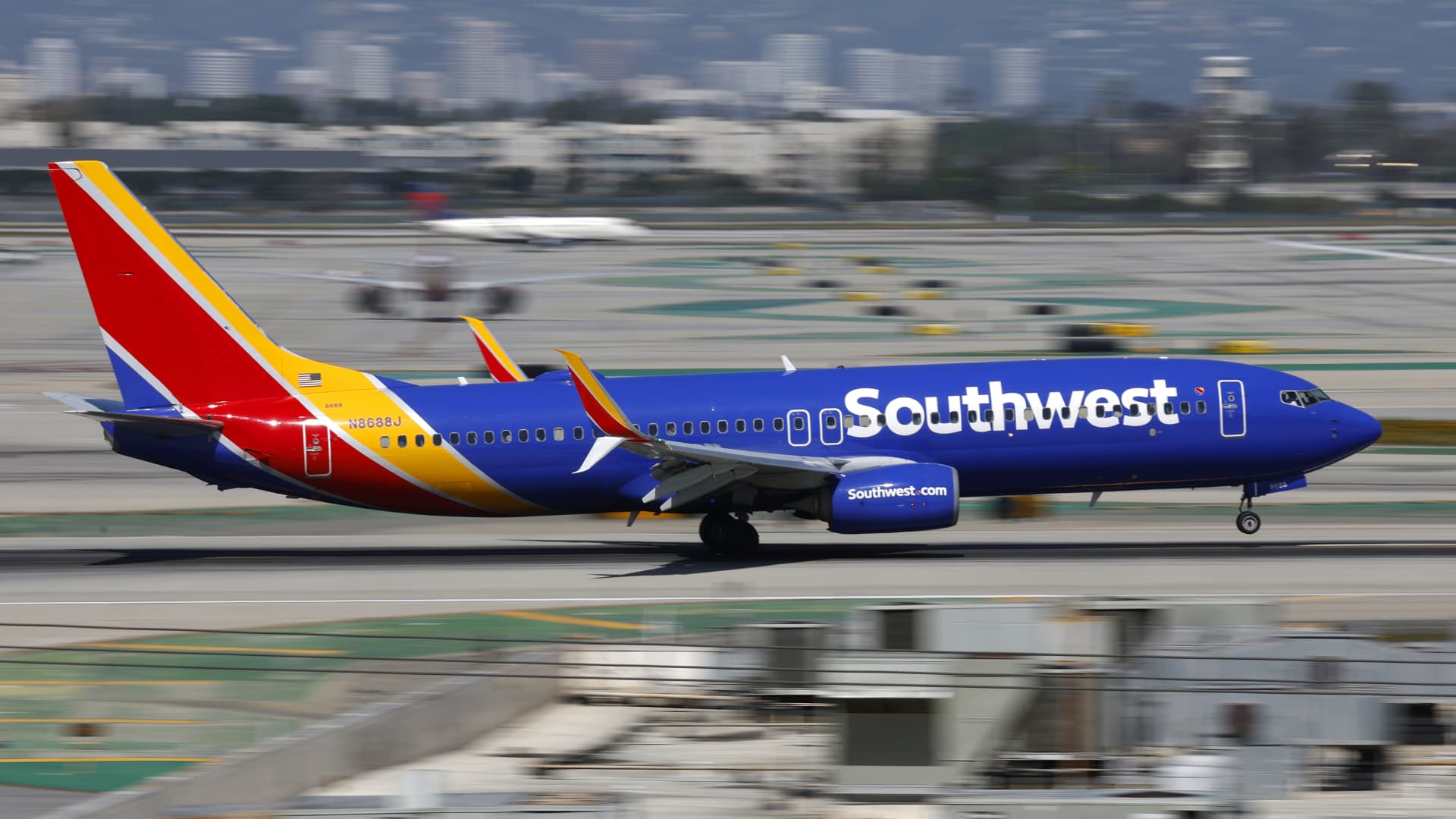
Southwest Airlines arranged a southwest jet fuel shipment from Texas to Los Angeles this spring as West Coast supply concerns pushed the carrier to secure extra fuel, CFO Tom Doxey told CNBC. The move matters because fuel costs have climbed sharply this year, pressuring airline earnings and helping keep fares higher.
The shipment carried about 12.6 million gallons of jet fuel from Houston to Los Angeles, according to Southwest. The vessel traveled through the Panama Canal and arrived May 28, the company told CNBC.
Doxey said the fuel represented about a week of supply for the West Coast during a period when availability was tight and risk was elevated. CNBC reported that this was the first time Southwest had moved Texas jet fuel to California by ship.
Why did Southwest ship jet fuel to Los Angeles?
Southwest used the shipment as a supply buffer for California, where CNBC reported jet fuel prices were far higher than in other regions. The West Coast depends more on imported fuel than many other parts of the United States, making it more exposed when global supply lines tighten.
Southwest said it used 564 million gallons of jet fuel in the most recent quarter, giving scale to the 12.6 million-gallon cargo. The company also said Thursday that its second-quarter fuel bill was nearly $900 million higher than a year earlier, according to CNBC.
Jet fuel is typically airlines’ largest cost after labor. CNBC reported that prices eased in late spring and early summer before rising again this month as tensions with Iran flared.
What is the Jones Act waiver?
The Jones Act is a 1920 law requiring cargo moving between U.S. ports to travel on U.S.-flagged vessels. Southwest told CNBC it relied on a waiver of that rule for the Texas-to-California fuel trip.
President Donald Trump waived the requirement in March, CNBC reported, after fuel prices jumped following the start of the Iran war and shipping disruptions in the Strait of Hormuz. The strait is a major route for energy shipments.
Supply concerns grew this year as some countries limited exports to protect their own fuel inventories, according to CNBC. A Southwest spokesman told CNBC those worries have eased since then.
How fuel costs are affecting airlines
The pressure is not limited to Southwest. United Airlines said in a July 15 report that it was using the latest fuel prices for its quarterly estimates because prices had been volatile, CNBC reported.
United said jet fuel added $575 million in costs and reduced adjusted earnings by $1.12 for the third quarter alone, according to CNBC. United flies more international routes than any other U.S. carrier, CNBC reported.
U.S. airlines have largely moved away from fuel hedging over the past decade, CNBC reported. Those hedges use futures contracts to lock in fuel costs, but abundant U.S. supply had helped hold prices down in prior years.
Carriers have also trimmed capacity growth plans, which CNBC reported is helping lift fares. Airline executives said this month that demand remains solid even with higher ticket prices, and that they expect elevated fares to persist this year.
This story draws on original reporting from CNBC.