
SK Hynix Nasdaq listing will test demand for AI chip stocks
The South Korean memory-chip supplier is expected to raise about $29 billion after a sharp AI-fueled rally in its Korean shares.
By Sofia Marchetti · World Affairs Correspondent
3 min read
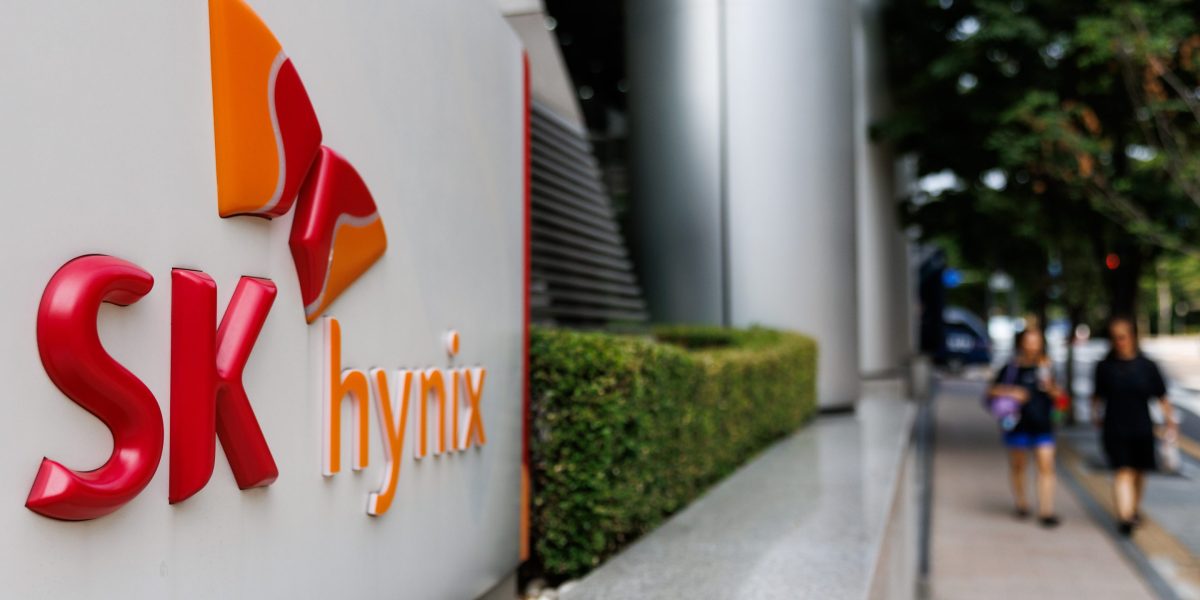
SK Hynix is preparing to list shares on Nasdaq in a deal expected to raise about $29 billion, Fortune reported. The U.S. debut will test whether investors still want more exposure to AI infrastructure after sharp swings in chip and technology stocks.
The South Korean memory-chip maker’s shares are expected to begin trading Friday, according to Fortune. The offering could become the largest first-time share sale by a foreign company, Fortune reported.
SK Hynix’s Korean-listed stock has risen 770% over the past 12 months, even after falling 20% from a June peak, according to Fortune. That gain has outpaced Micron Technology, which Fortune said climbed 700% over the same period.
The rally reflects the central role memory-chip suppliers have taken in the AI buildout. Fortune reported that SK Hynix is the leading supplier of high-bandwidth memory and has become Nvidia’s preferred provider.
The listing will arrive after several signs of strain in the AI trade. Fortune reported that SK Hynix comments last month about plans to slow its AI memory business helped trigger a steep drop in South Korea’s Kospi index, its fifth-worst daily fall, with global indexes also declining afterward.
Capital Economics viewed those moves as a warning sign. James Reilly, senior markets economist at the firm, wrote that the volatility showed “excessive froth” and raised questions about whether the rally can last, according to Fortune.
Fortune reported that Capital Economics compared the scale of the selloff with market breaks seen during bear-market periods such as the Asian financial crisis, the dot-com bubble and the Great Financial Crisis. Strong results from Micron were not enough to restore confidence, Fortune said.
Other high-profile AI-linked listings have also been uneven. Fortune reported that SpaceX, which became an AI company after acquiring xAI, rose in its first trading sessions after last month’s $86 billion IPO, then fell sharply and returned near its first-day closing price.
Fortune also reported that bonds issued by SpaceX soon after the IPO sold off quickly, reaching levels comparable with junk-rated borrowers despite investment-grade ratings. Those market swings are reportedly weighing on OpenAI’s IPO timing, which could slip to 2027 rather than happen later this year, Fortune said.
The pressure comes as large cloud and technology companies spend heavily on AI infrastructure. Fortune reported that spending by hyperscalers has grown so fast it could reach $1 trillion next year, forcing companies to rely more on bond issuance and new stock as cash flow falls short of funding needs.
That spending has tightened chip supply. Fortune reported that demand from hyperscalers has contributed to shortages in consumer electronics, pushing Apple and other device makers to raise prices.
SK Hynix plans to spend hundreds of billions of dollars on two new production plants in South Korea to meet demand, according to Fortune. The risk, Fortune reported, is that added capacity in a boom-and-bust chip industry could later create oversupply.
Bank of America analysts warned Tuesday that stocks may fall and kept a year-end S&P 500 target of 7,100, which Fortune said would be about 5% below the week’s closing level. BofA said its bear-market indicators show speculation reaching extreme levels as high-multiple stocks have jumped, a pattern it said has historically come before a valuation “snapback.”
This story draws on original reporting from Fortune.