
Shipyard hiring push runs into hard conditions and high turnover
Six-figure maritime jobs are drawing new attention, but shipbuilders face high attrition, harsh work and competition for labor.
By Hana Yoshida · Markets Reporter
3 min read
JPMorgan Chase CEO Jamie Dimon has held up shipbuilding as a modern path to the American Dream, pointing to jobs that can pay six figures after a few years of training. The pitch comes as U.S. shipbuilders and defense officials warn that labor shortages are constraining efforts to expand naval production.
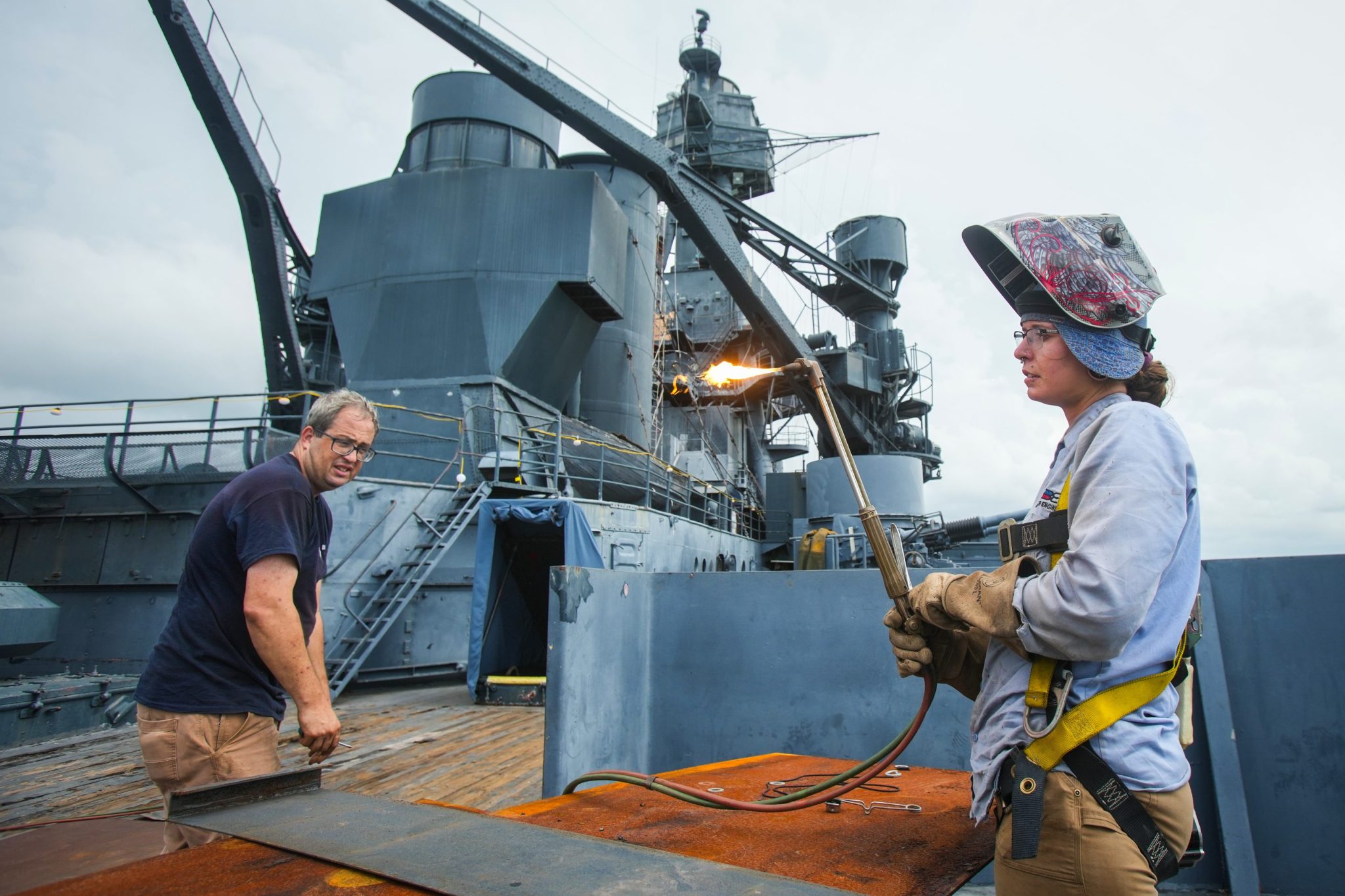
The work can be difficult to sell. Shipyard employees often work long shifts, perform physically demanding tasks and spend hours outside in heat, cold and rain, according to industry accounts cited by Fortune.
Eric Labs, the Congressional Budget Office’s senior analyst for naval forces and weapons, told National Defense last year that shipyard attrition has typically run between 20% and 22%. In some especially sought-after trades, turnover can top 30%, he said.
That is well above the broader labor market. A Mercer survey found the average U.S. voluntary turnover rate was 13.0% between 2024 and 2025.
Labs told National Defense that attrition at those levels makes it impossible to improve the condition of the shipbuilding industrial base.
Higher pay is part of the recruitment push
Former Navy Secretary John Phelan has said wages are central to the problem, especially when workers can make similar money in jobs with fewer risks. At his confirmation hearing last year, Phelan cited Amazon and Buc-ee’s gas stations as competing employers that can offer comparable pay.
U.S. Department of Labor data cited by McKinsey show the maritime sector will need an additional 200,000 to 250,000 workers over the next decade to meet demand. The shortage has drawn more attention as policymakers and companies try to rebuild domestic shipbuilding capacity after years in which production shifted toward Japan, South Korea and China.
The Navy approved more than $50 million in 2024 for workforce development programs, according to Naval Sea Systems Command. The money was aimed at efforts including training, housing and transportation support, hiring incentives and retention bonuses.
Some employers are also raising compensation. Union workers at Huntington Ingalls Industries’ Ingalls Shipbuilding ratified a contract this year that the company said included an 18% minimum base-wage increase, with total pay projected to rise 35% to 47% over five years.
New investment is also creating jobs in coastal shipbuilding communities. JPMorgan announced a $24 million investment last week to support a submarine manufacturing and assembly facility at the Philadelphia Navy Yard.
Defense startup Saronic has announced plans for Port Alpha, a $3.2 billion shipyard in Brownsville, Texas, that it says is expected to support about 10,000 jobs. The company was last valued at $9.25 billion, according to a company announcement.
Natalie Wiegand, Saronic’s vice president of global expansion and integration, told the Rio Grande Guardian that the company plans to offer production workers, including welders, benefits packages similar to those offered to software engineers. Those benefits include equity compensation, a perk more often associated with technology companies.
Maritime jobs extend beyond shipyards
Pat O’Donnell, co-founder and CEO of the San Francisco nonprofit Ridgeline, told Fortune that the maritime industry has an aging workforce and many high-demand jobs that can pay six figures soon after high school.
As shipbuilding grows, companies are also hiring for roles including deck hands, marine engineers, logistics specialists, supply chain managers, business professionals and vessel operators, according to Fortune. Some jobs do not require a four-year degree; for roles that do, maritime academies offer one route into the field.
O’Donnell said awareness remains a major barrier. He told Fortune that some maritime jobs, including welding roles, remain open because young people do not know they exist.
This story draws on original reporting from Fortune.