
Seattle job market decline deepens as downtown offices sit empty
Downtown office vacancy topped 35% while postings fell 35%, showing how Seattle’s tech boom has cooled.
By Hana Yoshida · Markets Reporter
3 min read
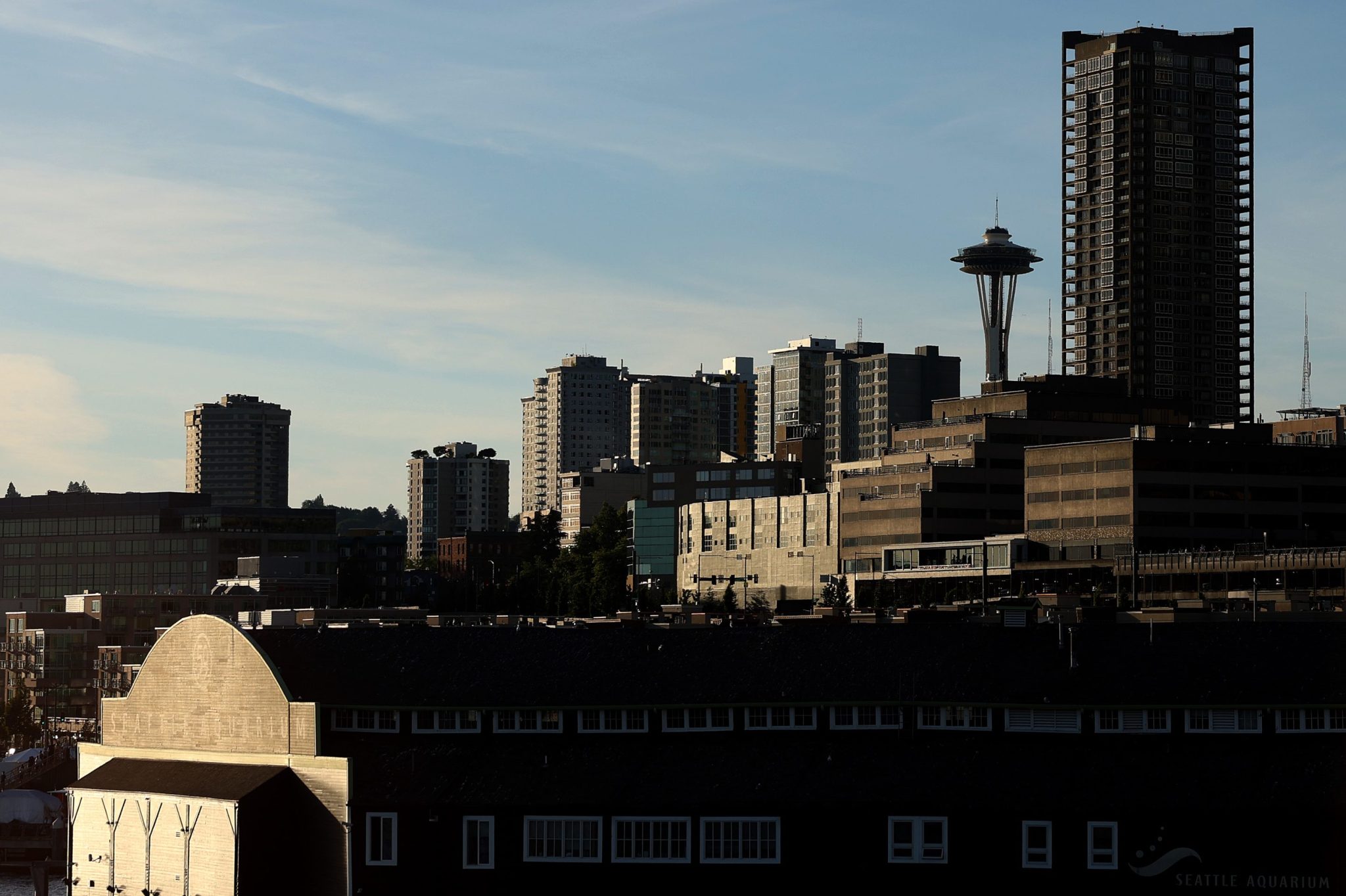
The Seattle job market decline is showing up in two places at once: empty downtown offices and fewer openings for workers. Cushman & Wakefield data cited by The Center Square put downtown Seattle’s office vacancy rate at 35.6% in the fourth quarter of 2025, while Axios reported that metro-area job postings fell 35% from February 2020 to October 2025, based on Indeed data.
The reversal is sharp because Seattle spent years as one of the country’s strongest tech-driven labor markets. The Puget Sound Regional Council has said the region was adding about 40,000 jobs a year at the height of the boom, as Amazon, Microsoft and other employers expanded around the city.
Why is the Seattle job market declining?
The downturn reflects a combination of weaker tech hiring, remote work and a downtown office market that has not recovered from the pandemic-era shift away from daily commuting. Axios reported that Seattle’s 35% drop in postings was the second-largest among major U.S. metros, behind only San Francisco’s 37% decline.
Fortune reported that tech companies in the region have announced tens of thousands of job cuts since 2023, with Microsoft, Amazon and Blue Origin accounting for much of the reduction. KUOW reported that the region lost a net 13,000 jobs in 2025, its first annual decline since the pandemic.
Office vacancy measures the share of office space that is not leased or occupied. A high vacancy rate can hurt downtown businesses because fewer workers come into the neighborhood for meals, errands and services.
Downtown offices remain under pressure
Seattle’s office trouble extends beyond one quarterly reading. Axios reported that CoStar data showed downtown Seattle’s availability and vacancy rates reaching record highs in early 2025 in a series that goes back to 1982.
Other brokerage data have shown even more strain. The Puget Sound Business Journal reported that Colliers put downtown office vacancy at 39.1% in late 2024, citing remote work, layoffs and more cautious leasing by companies.
Major employers are also spreading some growth outside Seattle. Starbucks, founded in Seattle in 1971, said it selected Tennessee for a Southeast corporate office, and Axios reported the Nashville plan involves a $100 million footprint intended for 2,000 people.
Small businesses face higher labor costs
The slowdown has overlapped with a higher citywide wage floor. Fox 13 Seattle reported that Seattle’s minimum wage reached $20.76 an hour in January 2025 and applies to employers regardless of size.
A peer-reviewed study published in Labour Economics found that Seattle’s wage ordinance discouraged new business formation inside the city after it was announced, while nearby suburbs saw positive spillover openings. Ballotpedia’s fact-check compilation cited earlier University of Washington research finding that the wage increases raised hourly pay by about 3% but reduced hours for low-wage workers by about 9%.
Those findings do not by themselves explain Seattle’s hiring slump, but they point to added pressure on employers already dealing with weaker foot traffic and higher vacancies. CoStar estimates cited by Fortune suggest Seattle may not fully move past the office vacancy cycle before 2027.
This story draws on original reporting from Fortune.