
Russian economic pessimism reaches record high in Gallup poll
Gallup found 60% of Russians say the economy is worsening as war costs, inflation and tax increases weigh on households.
By Sofia Marchetti · World Affairs Correspondent
3 min read
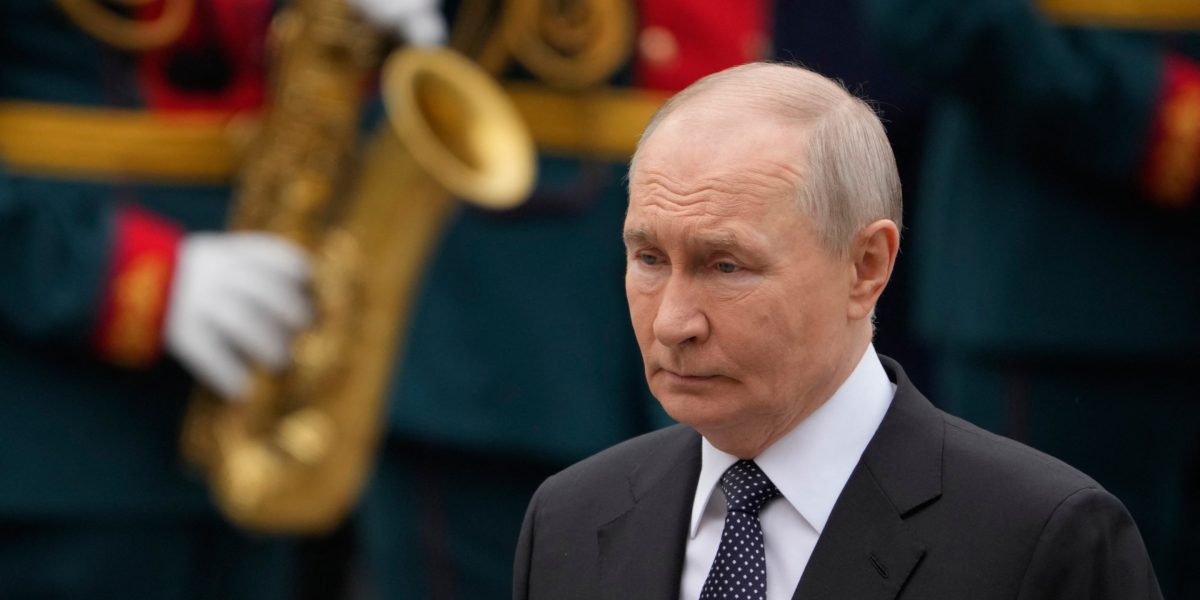
Russian pessimism about the economy has reached its highest level in Gallup’s two decades of polling the country, a sign of growing pressure on the Kremlin as it funds the war in Ukraine. Gallup said Tuesday that 60% of Russians now believe economic conditions are getting worse, up from 39% last year.
The survey marks the first time a majority of Russians in Gallup’s series has taken a negative view of the country’s economic direction. Gallup also found that 56% of respondents said their standard of living was declining, another record high, while 27% said economic conditions were improving.
The shift in mood has come after a widely shared public criticism of President Vladimir Putin’s economic management by Victoria Bonya, a former Russian television presenter who now works as an influencer in Monaco. In April, Bonya posted an 18-minute Instagram video that drew about 32 million views and 1.7 million likes, according to Fortune.
Bonya criticized the government’s response to severe flooding in southern Russia, as well as rising prices and higher taxes. Addressing Putin in the video, she warned that people could “stop being afraid” and compared public anger to a compressed spring that could eventually release.
War spending tests the social bargain
Analysts at the Carnegie Endowment have described Russia’s wartime social arrangement as “everyday patriotism”: many citizens were able to continue much of their prewar life as long as they avoided open dissent or criticism of the war. That bargain has been supported by state spending, defense production and Russia’s expanded trade with countries including India and China.
Those measures helped Russia avoid the sharp collapse some analysts expected after Western sanctions, according to Fortune. But inflation, heavy military spending and shrinking reserves are now putting more strain on the system.
The government raised its value-added tax from 20% to 22% last year to help cover military costs, according to the Financial Times. Some Russians saw the increase as a break from Putin’s earlier pledge not to raise taxes before 2030, and France 24 reported that the tax burden has hit employment and pushed some small businesses to close.
A report this month from Germany’s Kiel Institute said Russia’s liquid sovereign wealth fund assets have fallen to 1.8% of GDP from 6.5% at the start of the war. The same report said the government exceeded its target budget deficit in the first quarter of the year.
The Kiel Institute also said Russia’s oil and gas revenue fell 45% in the first three months of 2026 compared with a year earlier. The report pointed to pressure from weak demand for Russian crude before the Middle East conflict and to Ukrainian strikes that have curbed refinery output for months.
Matthew Klein, an economist and co-author of the Kiel Institute analysis, said Russia’s main limits are now labor, technology and production capacity rather than money alone. He wrote that additional state spending risks fueling inflation more than increasing military output because labor shortages are severe and sanctions restrict key imports.
Gallup’s poll also found weakening confidence in Russian institutions, including the military and national government. On jobs, 58% of Russians said it was a bad time to find work, the highest level since 2021, when the labor market was still recovering from the pandemic.
This story draws on original reporting from Fortune.