
AI firms deepen ties with Washington on defense and policy
Fortune reports that major AI companies are finding a receptive audience in Washington as agencies seek models for security, defense and public-sector work.
By Maya Lindqvist · Senior Technology Correspondent
3 min read
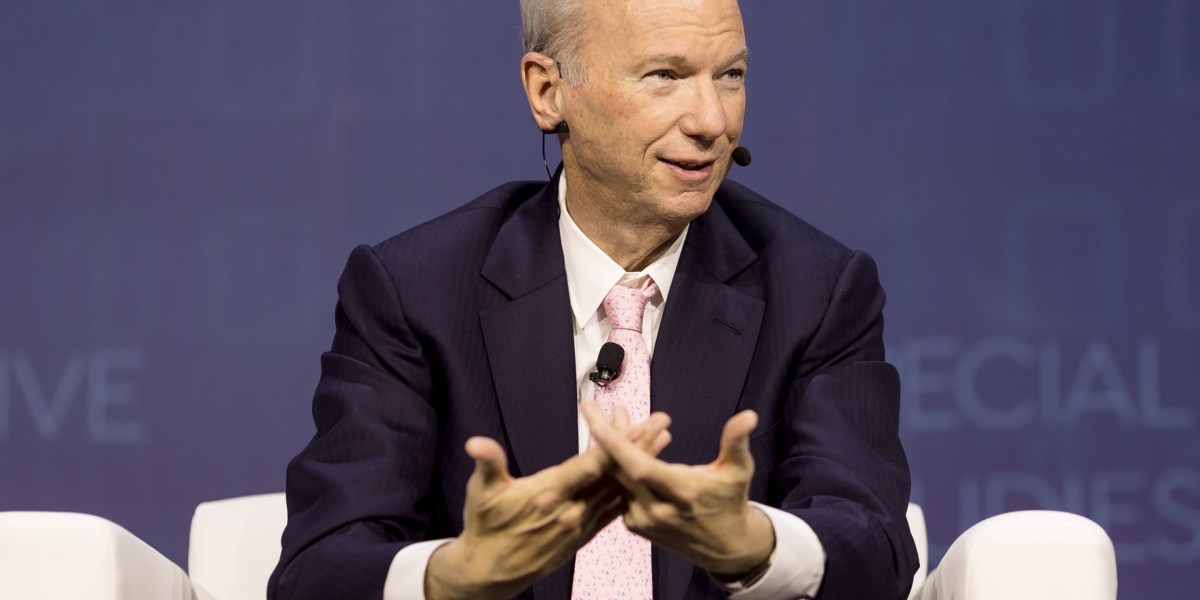
Major AI companies are moving beyond lobbying in Washington and into closer work with federal agencies, according to Fortune. The shift matters because those partnerships could help shape U.S. policy, national security and competition with China.
Fortune described a week of events in Washington where companies including Google, OpenAI, Meta, Anthropic and xAI were treated as central players in government plans for artificial intelligence. Agencies are looking to use their models, adopt their tools and build public-private partnerships, Fortune reported.
Anthropic said Thursday it had introduced a set of Claude models designed for U.S. national security customers. Meta has also said it is making its Llama models available for U.S. national security applications through defense partners, according to Fortune and Meta’s earlier disclosure.
Schmidt-backed event puts defense at the center
Former Google CEO Eric Schmidt, cofounder and chair of the Special Competitive Studies Project, helped convene tech and government leaders at an AI Expo in Washington, according to Fortune. The event framed AI as tied to business, geopolitics and U.S. defense strategy, with attention on drones and robotics.
Fortune also reported on a Washington AI Network gala backed by sponsors including OpenAI, Meta, Microsoft and Amazon. U.S. Commerce Secretary Howard Lutnick delivered the keynote speech at the event.
At the expo, U.S. military leaders discussed recent Ukrainian drone strikes on Russian air bases as examples of how fast AI is changing warfare, Fortune reported. Federal procurement officials also discussed ways to speed the Pentagon’s acquisition process so it can keep up with commercial AI development.
OpenAI promoted its o3 reasoning model at the event, saying it had been deployed on a secure government supercomputer at Los Alamos National Laboratory, according to Fortune.
AI race with China dominates Washington talk
Fortune reported that the Washington events focused less on workplace productivity, job displacement, copyright disputes or consumer uses of AI than on technological advantage and national security. The competition with China was a central theme.
Lutnick told the gala audience, “We must win the AI race, the quantum race—these are not things that are open for discussion,” according to Fortune. He also said the Trump administration was focused on adding another terawatt of power to support AI data centers and said, “We are very, very, very bullish on AI.”
Fortune reported that the audience included Washington policymakers and lobbyists representing major AI companies. The publication described the week as evidence that Silicon Valley and Washington are developing a shared agenda around AI deployment and national strategy.
Critics warn about government dependence
The closer relationship has drawn criticism from groups that study AI’s social effects. The AI Now Institute released a report Tuesday accusing AI companies of promoting flashy products while trying to reduce business risk through government subsidies and public-sector contracts, including military and carceral work.
AI Now said the public should confront “the ways in which today’s AI isn’t just being used by us, it’s being used on us.” The group’s report was cited by Fortune as part of a broader concern over how public power and private AI interests are converging.
Fortune noted that the current mood marks a change from seven years ago, when thousands of Google employees objected to the company’s role in a Pentagon AI project and helped push the company to withdraw. Google later pledged not to use its AI for weapons or surveillance systems that violated “internationally accepted norms,” according to Fortune.
The debate now centers on how much influence AI companies should have as government agencies adopt their systems. Fortune reported that the central questions are whether those ties will be managed safely, transparently and in the public interest.
This story draws on original reporting from Fortune.