
Rivian chief keeps robot startup separate from EV maker
RJ Scaringe told CNBC that Mind Robotics has raised more than $1 billion and expects to show its first product within a year.
By Maya Lindqvist · Senior Technology Correspondent
3 min read
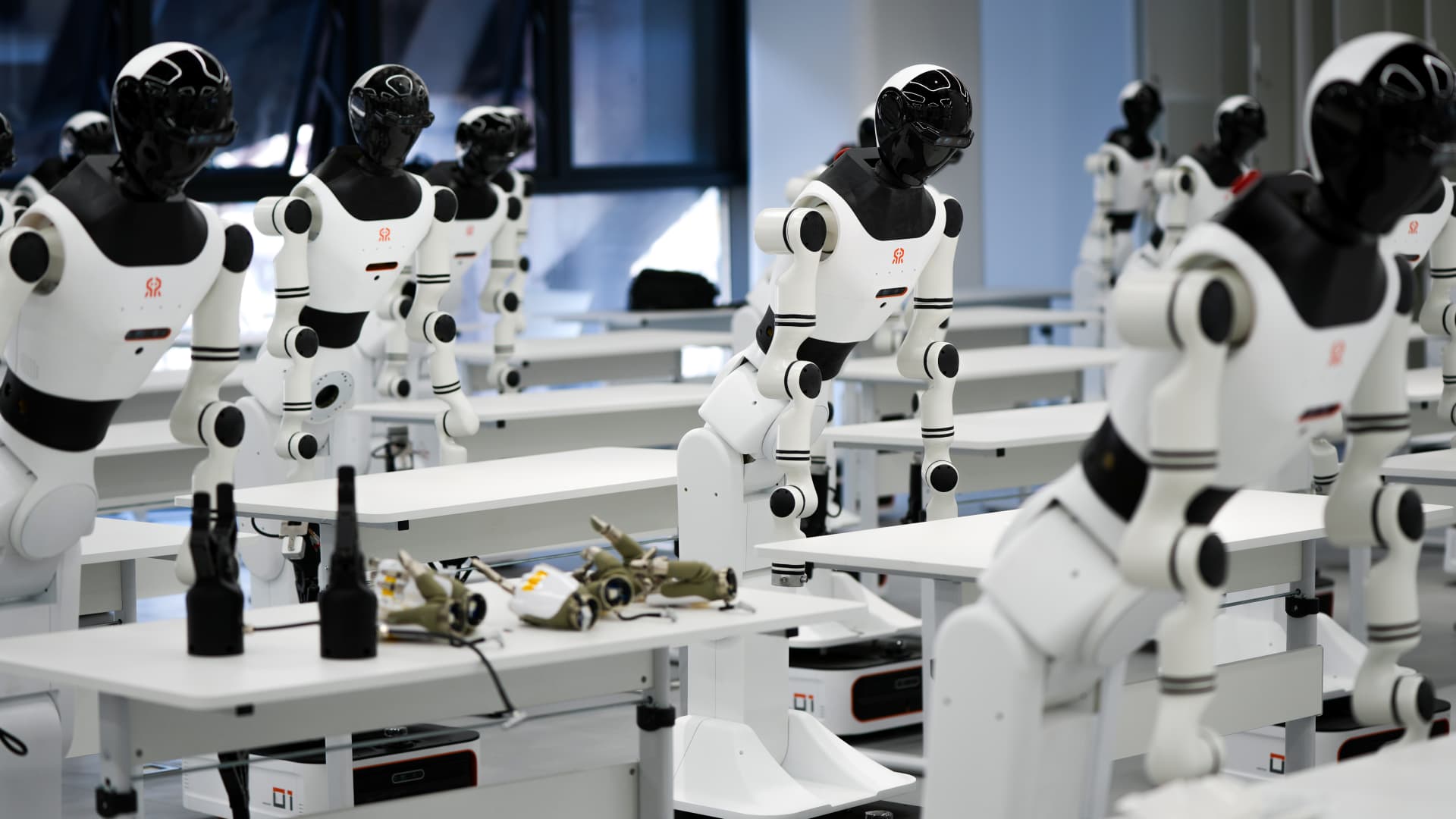
Rivian CEO RJ Scaringe is building a humanoid robotics business outside the electric vehicle maker, a structure that keeps the effort separate from Rivian while still tying the two companies closely together. Scaringe told CNBC that Mind Robotics, which he started last year, has raised more than $1 billion and expects to unveil its first product in less than a year.
The plan makes Rivian a large minority shareholder and the first customer for Mind’s robots, according to CNBC. Scaringe, who serves as Mind’s executive chair and acting CEO, said the setup was designed so he could spend time on both companies.
Scaringe described a future in which Rivian factory employees work next to humanoid machines on the production floor, CNBC reported from a Rivian media event in Park City, Utah, tied to the launch of the R2 electric SUV. He said workers may eventually treat the robots as familiar colleagues, even giving them names.
A separate path from Tesla
Scaringe told CNBC he does not plan to fold the robot project into Rivian’s core business in the way Tesla CEO Elon Musk has made humanoid robotics part of Tesla’s broader strategy. Tesla has been developing its Optimus robot inside the automaker.
The two executives are often compared because both lead electric vehicle companies with major technology ambitions. Scaringe told CNBC that Rivian and Tesla share an interest in autonomy, but said their products differ sharply.
Rivian and Mind are still working with each other. Scaringe told CNBC that Mind is using Rivian data to train artificial intelligence models, and he said Rivian should benefit significantly from the robotics work.
Scaringe said Mind deserved to stand alone because he sees a large market in industrial labor. He told CNBC he believes the total addressable market in that area is worth multiple trillions of dollars.
Robots in factories first
Mind’s hiring plans point to early-stage development. CNBC reported that the company’s website listed roughly 20 open jobs, including software and hardware engineering roles and data architect positions.
Scaringe told CNBC he expects robots to take on simpler factory jobs before handling tasks that require more judgment or dexterity. He said vehicle plants will take a long time to become so-called “dark factories,” a term used for facilities that operate with little human labor.
He also said manufacturers face a severe labor shortage, including automakers. CNBC reported that Rivian’s careers site listed more than 30 open roles in manufacturing and manufacturing engineering.
Scaringe framed the shift as part of the rapid advance of AI. He told CNBC that the pace of model improvement is much faster than many people understand, and said that gap in public awareness could create a short-term challenge as robots become more capable.
This story draws on original reporting from CNBC.