
Radical Numerics raises $50 million to build AI models for biology
The startup founded by generative genomics researchers is targeting drug discovery, diagnostics and biodefense with multimodal biology models.
By Daniel Okafor · Business Editor
3 min read
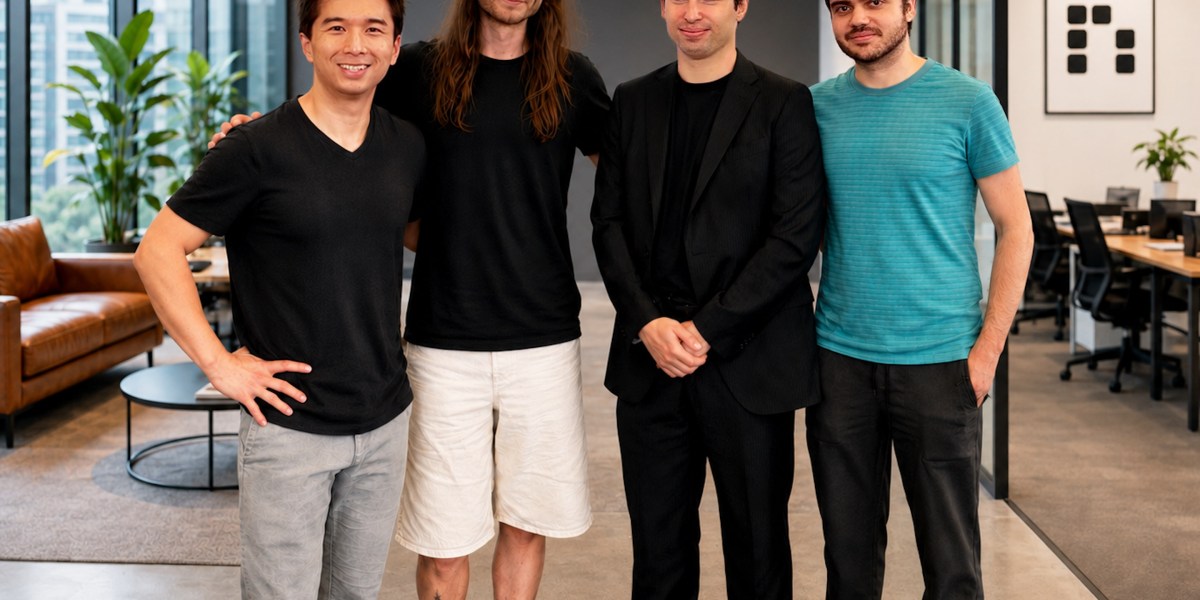
Radical Numerics has raised $50 million in seed funding as it moves out of stealth with plans to build AI systems for biology, Fortune reported. The company is entering a field where researchers and investors are betting that models trained on living systems can speed drug discovery, diagnostics and pathogen detection.
Emergence Capital led the round, according to Fortune. Obvious Ventures, Triatomic Capital, Factory and First Spark Ventures also joined, while Stripe CEO Patrick Collison, who co-founded the Arc Institute, backed the company at the pre-seed stage.
The startup was founded by Eric Nguyen, Michael Poli, Stefano Massaroli and Armin Thomas. Fortune reported that the group includes researchers who helped establish generative genomics, a field focused on using AI to generate and interpret genetic sequences.
Radical Numerics is building models meant to work across several parts of biology at once, including DNA, RNA and proteins. Nguyen told Fortune the company’s view is that future bottlenecks in drug development will center on understanding how therapies behave inside broader biological systems.
From AI-generated DNA to a company
Nguyen previously earned a master’s degree in engineering from Cornell, worked on AI systems for visual interpretation and later entered a Stanford bioengineering Ph.D. program, Fortune reported. He said he returned to doctoral work to look for a problem he considered worth committing to and found that focus in DNA.
The founding team previously worked on Evo and Evo 2, AI models trained on genomes from more than 100,000 species, according to Fortune. Three of the four founders also helped build core technology at Liquid AI, an MIT spinout focused on new AI model designs.
Fortune reported that researchers using Evo’s open-source weights last September produced a fully AI-designed functional virus that was harmless to humans. Nguyen told Fortune that the academic work was not being adopted as quickly as the team expected, which helped push them toward forming Radical Numerics.
The company is entering an AI drug discovery market that Roots Analysis projects could reach $25 billion by 2035. Fortune also pointed to recent activity by rivals and adjacent companies, including Ginkgo Bioworks’ five-year AI platform agreement with Google Cloud and Inceptive’s deal with Alnylam that could be worth up to $2 billion.
Commercial work and safety concerns
Radical Numerics already has two early commercial partnerships, Fortune reported. One focuses on applying its multimodal model to pancreatic and multi-cancer detection, and the other involves work with a national laboratory to detect and characterize pathogens, including AI-generated pathogens.
The company has not settled on a single revenue model. Fortune reported that its plans include API licensing, custom models for pharmaceutical partners and milestone-based payments.
The same technology raises biodefense concerns. Fortune reported that Radical Numerics’ prior open-source work helped enable the first AI-designed genome, and Nguyen said the defense side is falling behind in the race to detect and respond to such threats.
Radical Numerics has added Andrew Weber, a former U.S. assistant secretary of defense for nuclear, chemical and biological programs, as an adviser, according to Fortune. The company is also working with a national lab on AI-based pathogen detection and does not plan to make every future model release open source automatically.
Nguyen told Fortune that much of the human genome remains poorly understood. Radical Numerics is betting that models trained across biological systems can help explain it while also helping identify risks from synthetic biology.
This story draws on original reporting from Fortune.