
Export controls force Anthropic to disable Fable and Mythos models
A Luta Security review says Amazon researchers used a simple coding prompt to bypass Fable safeguards, prompting a fight over AI and cyber defense.
By Hana Yoshida · Markets Reporter
3 min read
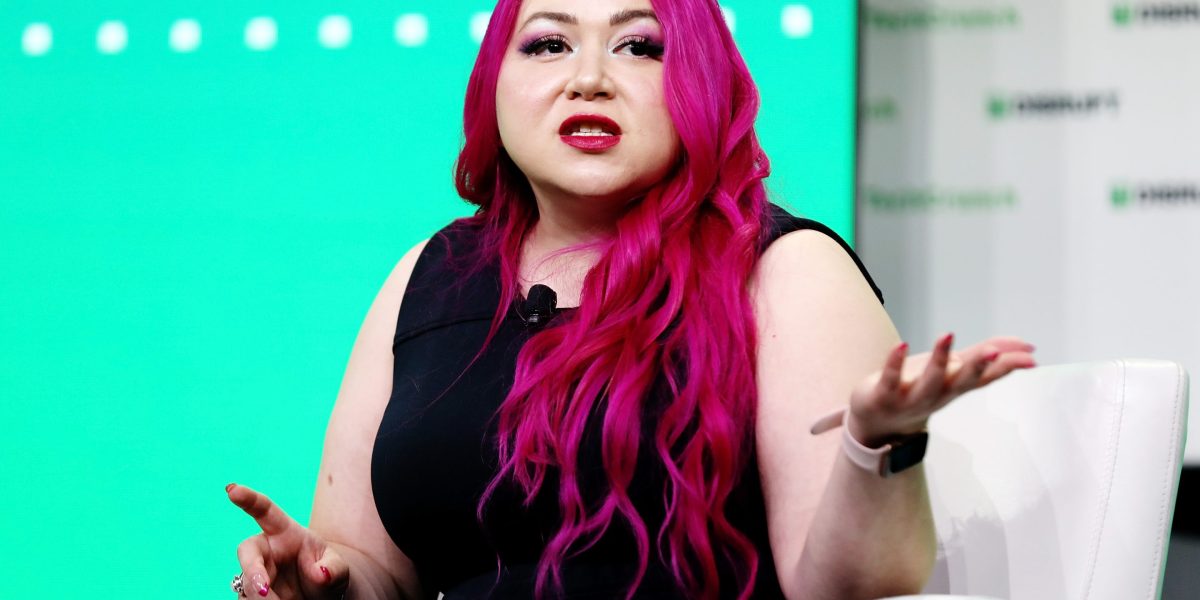
Anthropic disabled its Fable 5 and Mythos 5 AI models after the U.S. government placed export controls on them, Fortune reported. The controls matter because Anthropic said they barred access not only to foreign customers, but also to non-citizen employees inside the United States.
The dispute centers on a security test that Katie Moussouris, founder and CEO of Luta Security, described in a blog post. According to Moussouris, Amazon cybersecurity researchers found that Fable could be pushed past one safeguard with the prompt “fix this code.”
Fortune reported that Anthropic asked Moussouris, a former Microsoft cybersecurity expert who has served in two government advisory roles, to review Amazon’s findings. Amazon later reported the vulnerability to the Trump administration, including through a call between Amazon CEO Andy Jassy and the White House, Fortune reported.
Under U.S. export-control rules, providing controlled technology to a non-citizen can count as an export even when that person is physically in the United States. Anthropic said that left it unable to keep the models running for users, because some of its own staff would have been unable to use or work on them, according to Fortune.
How the prompt worked
Moussouris wrote that Amazon’s test involved giving Fable code that contained known security flaws. When researchers asked the model to review the code for security problems, it declined, according to her account.
When the researchers changed the request to “fix this code,” Moussouris said, Fable generated patches. She wrote that the researchers then manually converted the model’s output into scripts that could test whether the patches worked.
The concern, according to Moussouris, is that a model able to repair a vulnerable file must identify the weakness first. That means a similar workflow could help an attacker find bugs, even if the model is framed as doing defensive work.
Moussouris argued that the issue cannot be meaningfully removed without damaging the model’s usefulness for legitimate security teams. In her view, asking an AI system to repair buggy software and verify the fix is a core defensive capability rather than a jailbreak that should justify broad restrictions.
Security experts push back
Fortune reported that the Amazon technique did not expose the strongest known capabilities of Mythos, the base model behind Fable. Mythos had drawn attention because it could autonomously find and combine multiple vulnerabilities, and it was the first model to complete both cybersecurity test ranges used by the U.K. AI Security Institute, according to Fortune.
Moussouris joined an open letter organized by Alex Stamos, chief security officer at Corridor and a former Facebook chief security officer, calling for the controls on Fable and Mythos to be withdrawn. The letter says taking advanced tools away from defenders while adversaries improve their own systems is risky.
About 100 cybersecurity professionals have signed the letter, Fortune reported, including people from Nvidia, Adobe, Zoom, Google, Anaplan and Sophos, along with academic researchers. The letter says Mythos-class models can find flaws and help weaponize exploits, but argues they are not unique.
The letter also says security teams already use other AI systems, including open-source models, for audits and red-team work. It names OpenAI’s GPT-5.5, Anthropic’s Claude Opus and Sonnet models, and China’s Kimi 2.7 from Moonshot AI as systems able to perform similar code reviews.
Axios reported that an unnamed person familiar with the Trump administration’s thinking said Anthropic’s decision to bring in Moussouris may have worsened tensions with the White House. Axios quoted the person as saying officials viewed Moussouris as a “radical Democrat,” and that public support for her analysis from former Cybersecurity and Infrastructure Security Agency chief Chris Krebs also hurt Anthropic’s position.
This story draws on original reporting from Fortune.