
Public stadium subsidies face new scrutiny as venues shrink
Governments have spent billions on sports venues as teams cut capacity, add premium seating and raise ticket prices, economists told Fortune.
By Maya Lindqvist · Senior Technology Correspondent
3 min read
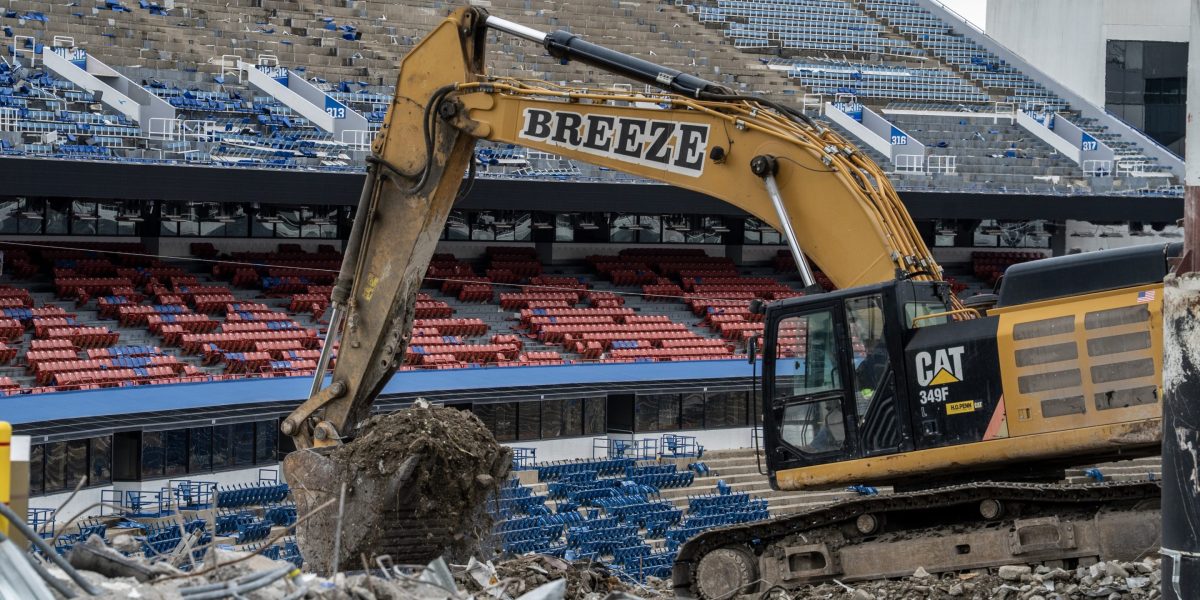
New York and Erie County have committed $850 million to the Buffalo Bills’ new Highmark Stadium, a venue that Fortune reported will open in September with fewer seats than the team’s former home. The project highlights a wider public-finance fight: taxpayers often help fund new sports facilities even as many fans face smaller inventories and higher prices.
The Bills’ stadium is projected to cost $2.2 billion and hold 60,108 people, down from 71,608 at the old venue, according to Fortune. New York State is contributing $600 million and Erie County $250 million, which Fortune described as the largest public subsidy ever pledged for an NFL facility.
Fortune reported that personal seat licenses at the new stadium can reach $50,000 per seat, while the cheapest resale listings for opening night had reached $663. Those prices come alongside a reduction of about 11,500 seats.
A long-running public subsidy model
State and local governments spent $33 billion on major-league sports venues in the U.S. and Canada from 1970 through 2020, Fortune reported, citing prior research. The median public contribution covered 73% of construction costs, according to that reporting.
The pace has not slowed. Fortune reported that teams across professional sports proposed more than $13 billion in taxpayer support in 2024 for new buildings and renovations.
Victor Matheson, an economics professor at the College of the Holy Cross who studies stadium subsidies, told Fortune that new stadiums do not make tickets more affordable. He said teams tend to move in the opposite direction after opening new facilities.
Matheson told Fortune the business model has shifted away from maximizing large crowds in low-cost seats. Teams can make more from premium areas, suites and other high-end offerings, he said, even when that means reducing general seating.
Fortune reported that many leagues share revenue from television and merchandise, while teams often keep more of the money generated by luxury boxes and premium seating. That structure gives owners an incentive to replace cheaper seats with higher-priced areas, according to Matheson.
Ticket markets add pressure
Average NFL ticket prices rose 173% from 2015 to 2025 after adjusting for inflation, Fortune reported, citing The Econ Review. Fortune also reported that the planned new Kansas City Chiefs stadium is expected to have about 15% fewer seats than Arrowhead Stadium.
The same pricing debate is playing out beyond U.S. leagues. FIFA President Gianni Infantino defended World Cup ticket prices by pointing to North American market conditions, Fortune reported. FIFA raised prices on more than 90 of 104 World Cup matches between October 2025 and April 2026, with the three main ticket categories increasing by an average of 34%, according to Fortune.
Fortune reported that FIFA said it received 500 million requests for 7 million tickets. Infantino offered 130,000 tickets at $60, while Football Supporters Europe filed a complaint accusing FIFA of abusing its market position, according to Fortune.
Judd Kessler, a Wharton business economics professor, told Fortune that public subsidies can help create a scarcity that taxpayers later cannot afford to access. He also said resale fees, which Fortune reported can take 25% to 35% of a transaction, deserve scrutiny from fans.
Economists question the return
Stadium deals are often promoted as engines for jobs, tourism and civic identity, Fortune reported. But the publication cited a 2017 survey finding that 80% of economists believed stadium subsidies cost more than they return.
Matheson told Fortune that asking ordinary taxpayers to support venues increasingly designed for wealthier fans is poor public policy. The Buffalo project shows why that argument has gained force: the public is paying heavily for a newer stadium with fewer places to sit.
This story draws on original reporting from Fortune.