
Prime Day sales forecast rises as shoppers trim order sizes
Amazon’s four-day sale is expected to set a spending record, while data firms report smaller baskets and heavier use of installment payments.
By Hana Yoshida · Markets Reporter
3 min read
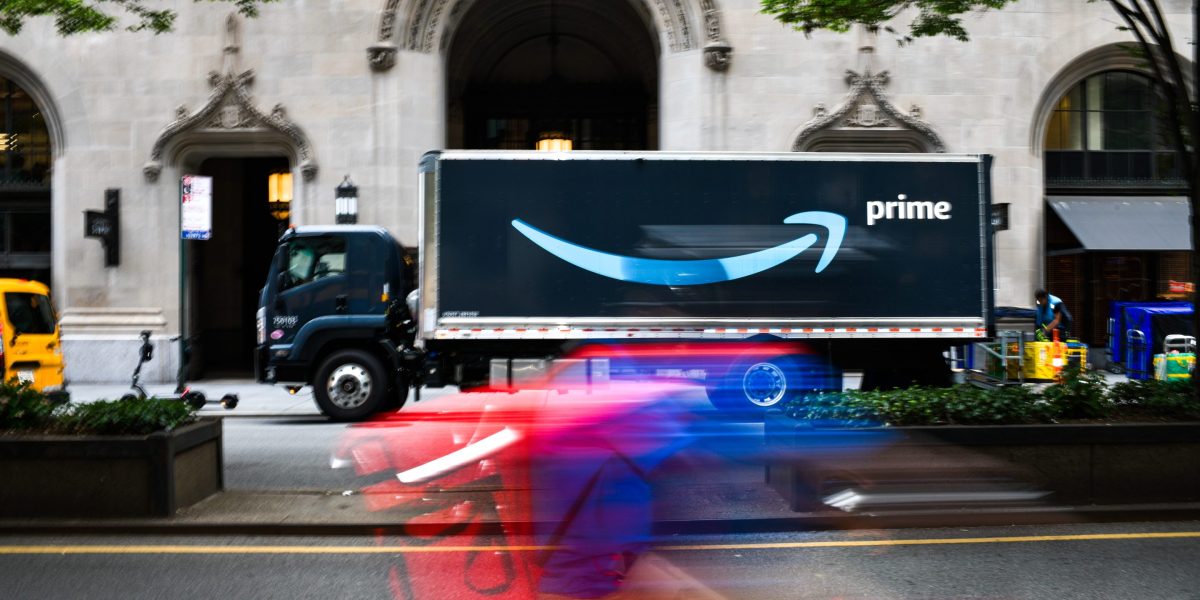
Amazon’s Prime Day is expected to produce record online spending this week, even as several retail data points suggest shoppers are buying more cautiously. Forecasts cited by Investor’s Business Daily put U.S. spending for the four-day event at $26.3 billion.
The sale began Tuesday and runs through Friday. eMarketer said the event is on track to surpass Black Friday and Cyber Monday combined, making it one of the biggest online shopping periods of the year.
The headline spending figure comes with a weaker signal on individual purchases. Numerator reported that the average Prime Day order stood at $48.36 at the same point this year, down from $58.37 a year earlier. Fortune calculated that as a roughly 17% decline per transaction.
SmartScout reported a similar pattern in the previous cycle, saying average Prime Day order values fell about 8% from 2024 to 2025 while overall spending still rose. The figures point to higher total sales driven by more transactions, rather than larger baskets.
Discount pressure and practical buying
Retailers and sellers are also dealing with cost pressures. The New York Post reported that Amazon sellers offered fewer discounts in 2025 as tariffs imposed during the Trump administration squeezed margins, while consumers still bought enough to lift sales by more than 30%.
Fortune reported that last year’s growth came less from electronics and apparel and more from practical categories such as office supplies and books. Reuters reported this week that shoppers were expected to focus on essentials and hold off on more expensive purchases because of inflation.
The timing of Prime Day has also shifted. Fortune reported that this is the third consecutive year Amazon has changed the event’s timing, including moving it earlier and extending it, as outside economic pressures shape retail promotions.
Economists describe one force behind early buying as intertemporal substitution, according to research from the National Bureau of Economic Research. The term refers to consumers bringing future purchases into the present when they expect prices to be higher later.
Installment payments and younger shoppers
Payment behavior is another part of the Prime Day picture. eMarketer said shoppers are using buy now, pay later services at elevated rates for this year’s sale.
Omni Calculator estimated the U.S. buy now, pay later market at about $127.94 billion in 2026. Chargebacks911 reported that 44% of Gen Z consumers say they have used the payment method.
Amazon is also courting younger buyers. PBS NewsHour reported that Amazon offers people ages 18 to 24 a discounted Prime membership priced at $7.49 a month, about half the standard rate. Fortune reported that Prime Day perks for that group include 5% cash back.
The strategy reflects the value of converting younger shoppers into Prime members. SmartScout reported that Prime members spend more than twice as much on Amazon each year as non-members.
Financial stress among young adults remains high. Inc., citing research from Edward Jones and Gallup, reported that more than 90% of Gen Z employees say they experience financial stress, either temporarily or on an ongoing basis. The same research found that only 5% of Gen Z workers described themselves as financially fulfilled.
Taken together, the figures show a consumer base still spending heavily during major retail events, but with smaller orders, more focus on essentials and growing reliance on installment payments, according to the retail and financial data cited by Fortune, Reuters, eMarketer and other research firms.
This story draws on original reporting from Fortune.