
Pope Leo XIV urges AI oversight as critics challenge Vatican approach
The pope’s first encyclical calls for AI regulation, worker protections and a ban on lethal autonomous weapons, drawing criticism from AI policy figures.
By Maya Lindqvist · Senior Technology Correspondent
3 min read
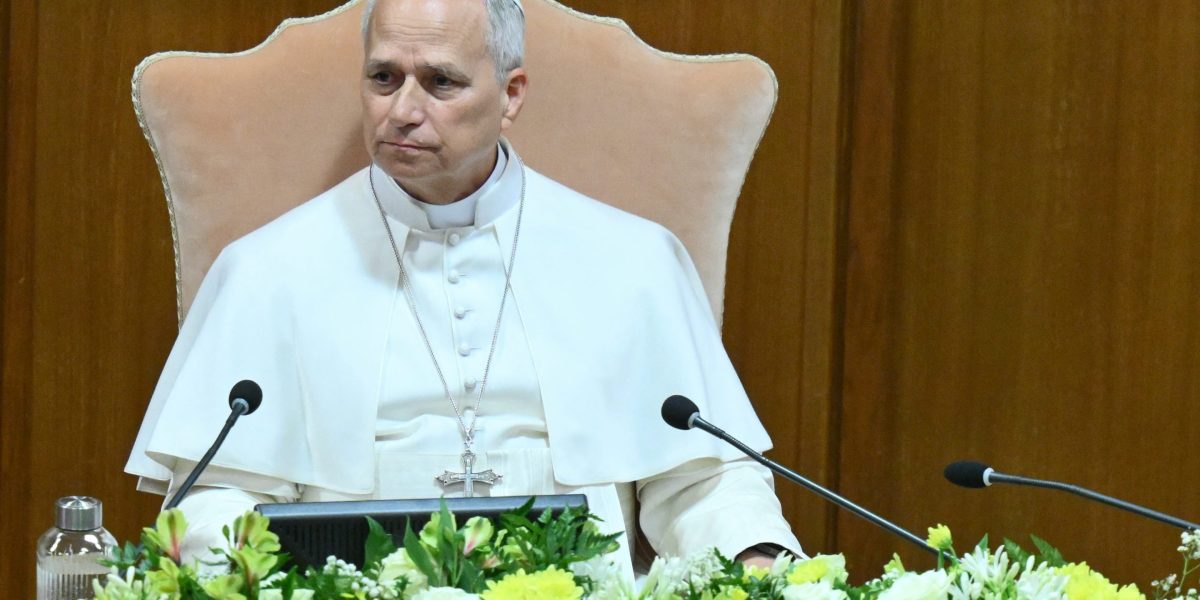
Pope Leo XIV has used the first encyclical of his papacy to call for stronger public oversight of artificial intelligence and to frame the technology as a test of human dignity. The 42,300-word document, titled Magnifica Humanitas, extends Catholic social teaching into debates over AI, work, education, weapons and corporate power.
Fortune reported that the encyclical was published Monday and was intended to echo Pope Leo XIII’s 1891 encyclical Rerum Novarum, a foundational text on labor, capital and the duties of employers toward workers and the poor. Leo XIV, the American-born former Cardinal Robert Prevost, chose his papal name in part as a reference to that predecessor, according to Fortune.
The Vatican document argues that AI should strengthen human agency rather than weaken it, Fortune reported. It calls for more regulation of private companies developing AI, accountability for model builders and users, and transparency for algorithmic systems, especially those used by governments.
The encyclical also says AI tools should be verifiable, a standard Fortune noted many current large language model systems do not meet. It urges protections for people whose jobs are displaced by AI and calls for retraining measures tied to the Catholic view that work is central to human dignity.
Worker protections and weapons limits
According to Fortune, the pope also backed measures to shield children from harmful AI-generated material and expressed support for governments setting age limits on digital technology. The document says education should help young people think critically and use digital tools without losing control over their own judgment.
The encyclical argues that communities should help set the ethical rules governing AI systems, rather than leaving those choices to a small group of companies and countries. In one passage quoted by Fortune, the pope wrote that “a more moral AI is not enough if that morality is determined by a few.”
Leo XIV also rejects the use of AI in lethal autonomous weapons. Fortune quoted the encyclical as saying that decisions involving death or other irreversible outcomes cannot be handed to artificial systems because moral judgment requires conscience and personal responsibility.
Noreen Herzfeld, who directs a technology and ethics program at St. John’s School of Theology and Seminary in Minnesota, told The New York Times that she doubted Silicon Valley executives would heed the document. She said it would likely serve as a reference inside the Catholic Church for priests, bishops and educators.
Criticism from AI ethics and policy voices
Some criticism centered on the Vatican’s decision to include Chris Olah, an Anthropic co-founder, at the encyclical presentation. Fortune reported that Timnit Gebru, a prominent AI ethics researcher, criticized the Vatican on LinkedIn for giving a platform to a company she accused of profiting from contested data practices, labor exploitation, environmental harm and exaggerated product claims.
Gebru wrote that the Vatican could have partnered with data workers or communities opposing data centers instead of Anthropic, according to Fortune. She compared the choice to partnering with the Sackler family to discuss opioid harms.
Dean Ball, a libertarian AI policy thinker who briefly advised the Trump administration, criticized the encyclical from another direction. Fortune reported that Ball wrote on X that the Vatican sounded too much like a European regulator and failed to address the possibility that AI could challenge assumptions about human intellectual supremacy.
Ball also pointed to remarks by Olah at the Vatican event, according to Fortune. Olah said his research had found AI model structures that resemble findings in human neuroscience and internal states that functionally mirror emotions, while the encyclical says AI only imitates aspects of human intelligence and cannot have subjective experience or feelings.
This story draws on original reporting from Fortune.