
Paris Fashion Week heat wave puts summer schedule under pressure
A severe heat wave in France forced fashion houses to improvise cooling measures and raised doubts about holding major Paris shows in midsummer.
By Maya Lindqvist · Senior Technology Correspondent
4 min read
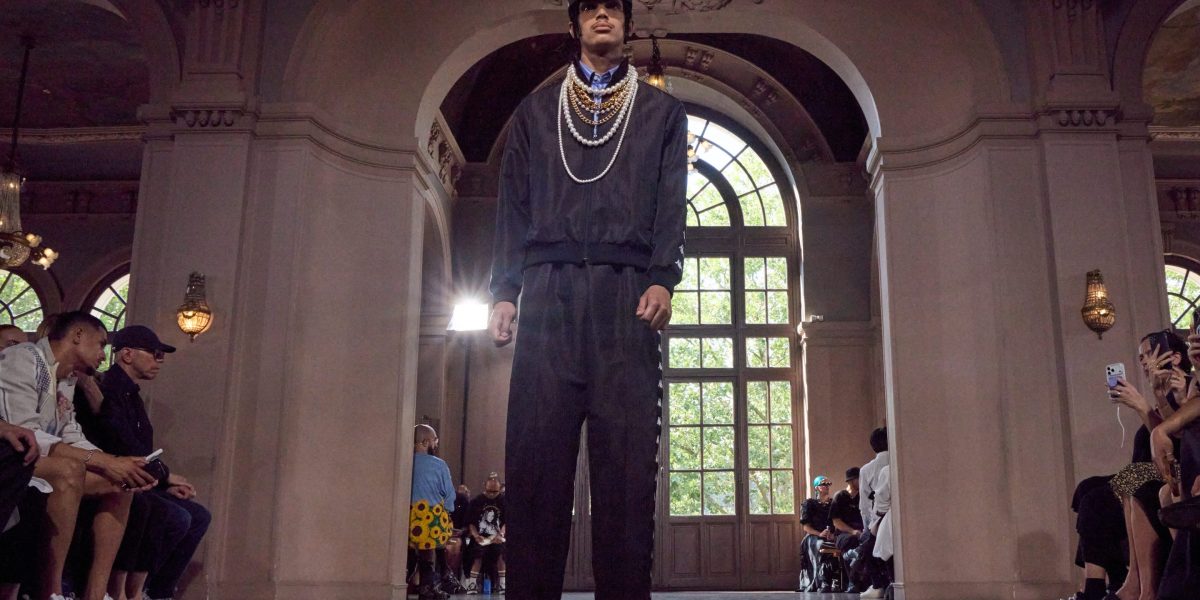
A severe heat wave turned Paris Fashion Week into a test of heat planning, with fashion houses handing out ice packs, chilled towels, parasols and bottled water to keep guests upright. The Associated Press reported that the conditions exposed a wider problem for France’s luxury industry: a major global event built around old buildings, tight crowds and a calendar that increasingly collides with hotter summers.
Paris neared 41 degrees Celsius, or 106 Fahrenheit, during the heat wave, according to the AP. Large parts of France were placed under red alert, and hospitals were told to prepare for more heat-related patients.
Inside some Fashion Week venues, the AP reported, cooling measures fell short. Historic sites were hot, guests were crowded together, air conditioning was missing or insufficient, and water supplies ran low. At one fashion house, organizers considered not serving water because only plastic bottles were available, the AP reported.
Ben Freeman, a London-based fashion critic from Australia, told the AP: “I honestly thought I was going to pass out.” He also described Paris Fashion Week as “the canary in the mine,” linking the conditions at the shows to the city’s broader struggle with rising heat.
The strain came during Paris Fashion Week Men’s, an event tied to one of France’s most prominent export industries. The AP described the week as part of a fashion calendar that includes six seasons a year and draws luxury brands, editors, buyers, celebrities and clients to Paris.
The heat also drew attention to what appeared on the runway. The AP reported that some brands showed garments such as leather, neoprene, wool and fur while the audience struggled with summer temperatures.
Dior designer Jonathan Anderson told the AP that “the calendar does not make any sense,” pointing to delivery cycles and business demands that no longer match the weather outside. Thomas Levy, a 24-year-old fashion student, told the AP that air conditioning is uncommon in Paris and said he wondered how models managed the week in leather and knit coats.
Pascal Morand, head of France’s fashion federation, told the AP that organizers were following the French government’s heat-wave plan. “We are conscious of the challenges and very attentive to preserving the Fashion Week experience in this context of structural change,” he said.
Some labels adjusted schedules or added cooling. Dior moved its show to 9 a.m. from the middle of the afternoon, while Rick Owens also shifted his event earlier, according to the AP. The news agency reported that mist machines, shade, earlier start times and extra water became part of the week’s logistics.
The AP said the problem had surfaced before. In March, Celine held a winter show in an okoumé-wood pavilion at the Institut de France, where some attendees left because of the temperature. In Milan last week, Thom Browne used large misting fans and gave black umbrellas to guests waiting in the sun, according to the AP.
Several collections reflected the tension between climate and commerce. The AP reported that Louis Vuitton showed neoprene wetsuits along with cashmere and fur coats. At Saint Laurent, Anthony Vaccarello used a fog sculpture by Fujiko Nakaya while sending out both light tailoring and heavier or less breathable pieces. Issey Miyake’s IM Men handed guests ice packs and showed bamboo-thread fabrics, while Rick Owens presented clothing fitted with small fans, according to the AP.
The debate extends beyond fashion. The AP reported that air conditioning remains culturally contested in France, where critics see it as wasteful or environmentally harmful, even as heat waves make cooling a public-safety issue. President Emmanuel Macron’s government has favored shade, insulation and trees, while environmentalists have warned that widespread cooling could add to emissions.
The Louvre also cut hours during the heat wave and said its historic building remains vulnerable and insufficiently adapted to climate change, according to the AP. For Paris Fashion Week, the question now is whether a summer showcase can keep relying on venues and schedules designed for a cooler city.
This story draws on original reporting from Fortune.