
Pandemic supply gap keeps pressure on U.S. car buyers
Cox Automotive and JD Power say lost production, lower leasing and fewer discounts are still tightening new and used vehicle markets.
By Sofia Marchetti · World Affairs Correspondent
3 min read
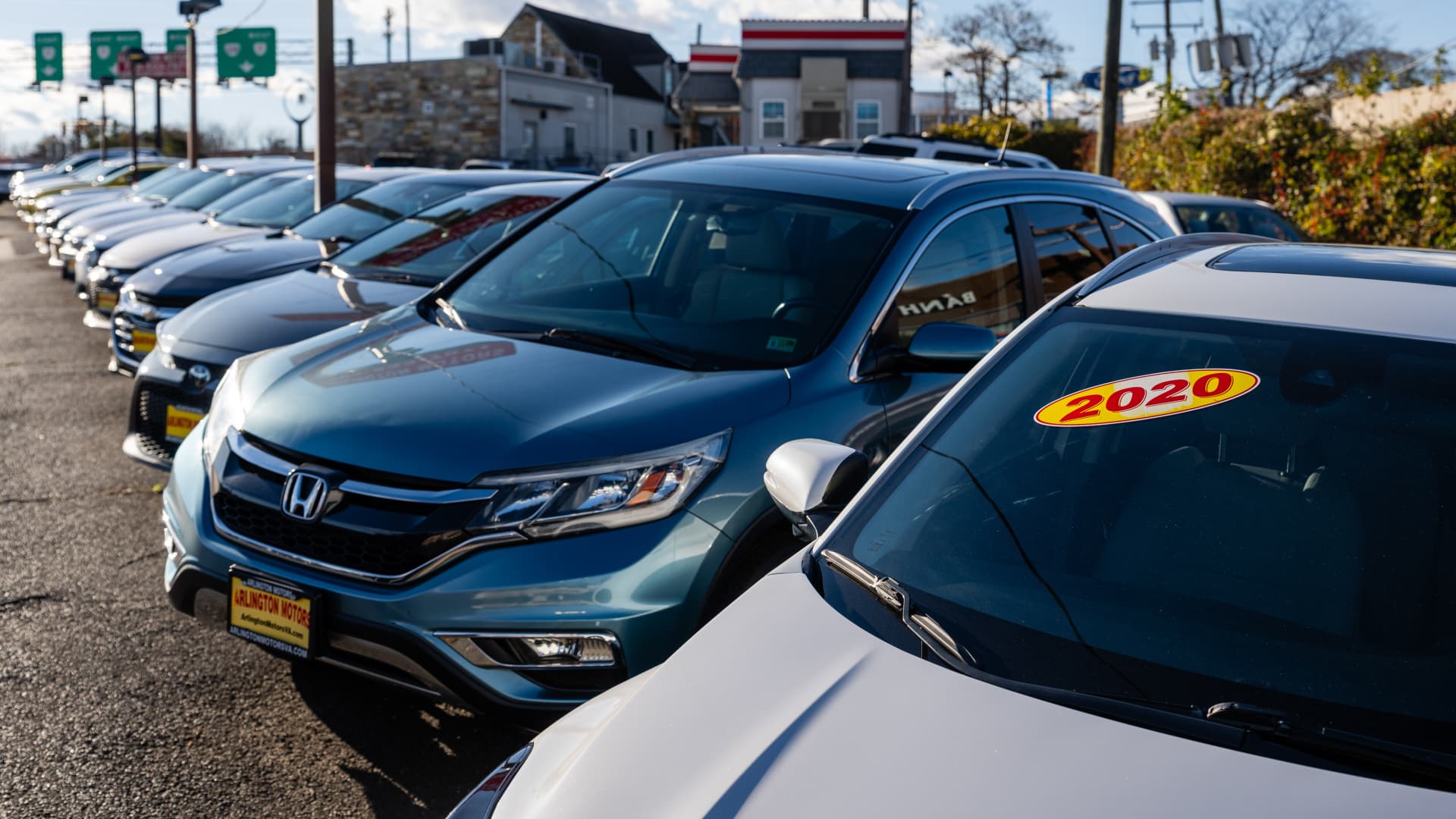
The U.S. car market is still feeling the effects of pandemic-era production disruptions, with tight supply helping keep prices elevated for both new and used vehicles. The pressure matters most for buyers with limited budgets, as Cox Automotive says demand has risen even for 9- and 10-year-old used cars.
Jeremy Robb, chief economist at Cox Automotive, said about 8 million vehicles intended for U.S. buyers were not built during the pandemic period, largely because factories shut down and supply chains were strained. He said automakers responded by concentrating production on higher-margin models, including costlier trims, trucks and SUVs, and have largely maintained that approach.
The result is a smaller supply of new vehicles than the industry once produced, which also limits the number of cars later flowing into the used market. Robb said Cox does not expect supply to improve substantially over the next three to four years absent a major economic shock.
Sales remain below the last peak
The U.S. Bureau of Economic Analysis said 16.2 million vehicles were sold in 2025, above the pandemic-era low of 13.8 million in 2022. Cox Automotive forecasts about 15.8 million sales in 2026, while JD Power expects 16.3 million.
Those levels remain well below the 17.55 million vehicles sold in 2016, the recent record. Tyson Jominy, a senior vice president at JD Power, said the industry has sold roughly 16 million fewer vehicles than it would have if annual sales had stayed near the 2016 high of 17.5 million, with about half of that shortfall occurring since the pandemic.
Jominy said lower new-vehicle volume eventually works its way through every part of the market. Fewer new cars sold today means fewer trade-ins, fewer lease returns and fewer relatively young used vehicles available later.
Lease returns and discounts are still reduced
Cox Automotive said leasing, a major source of used cars after vehicles are returned, fell sharply during the shortage. Robb said leases made up about 30% of the new-vehicle market before the pandemic but dropped to 18% in 2022.
Because many leases run for three years, that decline is now showing up in used-car inventories. Robb said leasing is costly for automakers, and the shift toward more expensive trucks, SUVs and higher trim levels also reduced the share of vehicles likely to be leased.
Discounts on new cars have also not fully returned to earlier levels, according to Cox Automotive. Robb said incentives averaged about 9.5% of new-vehicle prices before the pandemic, fell sharply during the shortage, and are running about 6.5% to 7% in 2026.
Older cars draw more buyers
JD Power’s Jominy said vehicle prices have risen by about one-third, while income growth has not kept pace. He said the average household income for a new-vehicle buyer is above $150,000, compared with roughly $80,000 for the U.S. economy overall.
That affordability gap is pushing more shoppers into the used market, according to Cox Automotive and JD Power. Robb said Cox data shows unusually strong demand for older used vehicles, a sign that buyers are moving down the price ladder as new and late-model used cars remain expensive.
This story draws on original reporting from CNBC.