
OpenAI changed GPT-5.6 rollout after U.S. talks, Altman says
Sam Altman said OpenAI adjusted its newest AI models during talks with U.S. officials before opening GPT-5.6 to the public.
By Sofia Marchetti · World Affairs Correspondent
3 min read
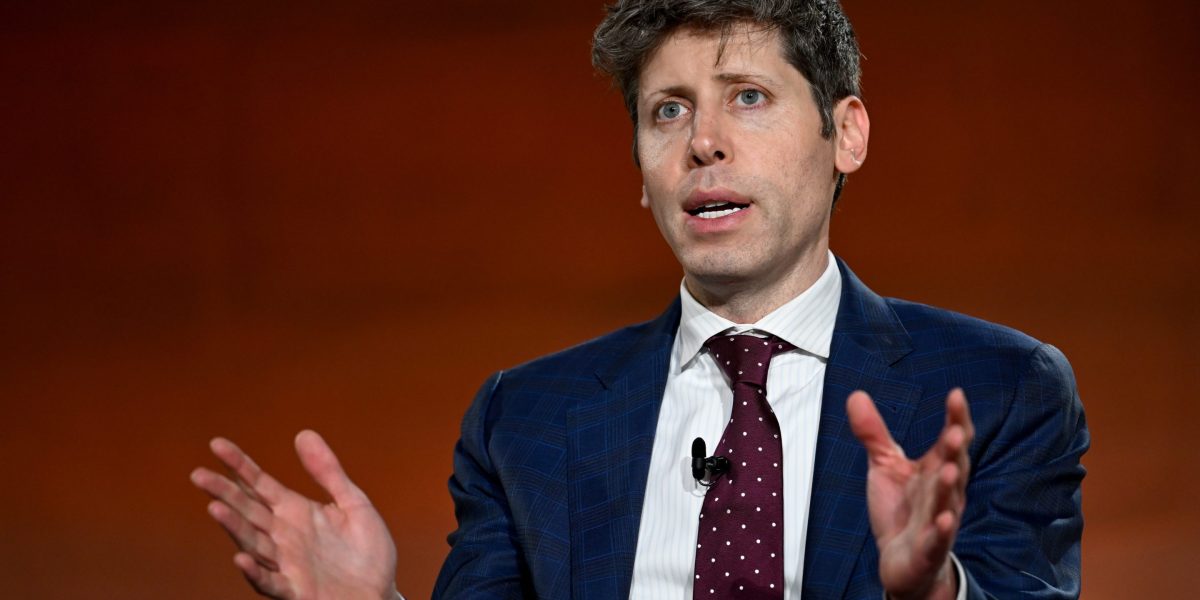
OpenAI made multiple changes during talks with the Trump administration before releasing its latest artificial intelligence models broadly, Chief Executive Sam Altman said Thursday. The comments point to a more direct U.S. government role in how leading AI companies introduce their most advanced systems.
Altman told CNBC that OpenAI had a “collaborative back and forth” with senior U.S. officials in the weeks before the wider launch of GPT-5.6. He named Commerce Secretary Howard Lutnick and Treasury Secretary Scott Bessent among the officials involved in those discussions, according to CNBC.
OpenAI’s newest model family had first been made available only to selected partners, Bloomberg reported. That narrower rollout followed pressure from the Trump administration to phase the release rather than make the models broadly available at once, according to Bloomberg.
GPT-5.6 was scheduled to become publicly available Thursday, Bloomberg reported. OpenAI said it moved ahead after receiving approval from U.S. government leadership, according to Bloomberg.
Altman says government is testing models
Altman did not describe the changes OpenAI made during the process, according to CNBC. He said U.S. officials are examining new models and searching for possible issues before they are released more widely.
Altman told CNBC he supports that kind of process if it is clear, fair and fast. He said he expects OpenAI’s next model review to go more smoothly because the company now has a better understanding of the process.
The episode comes as U.S. officials have taken a closer look at advanced AI models and foreign access to them. Bloomberg reported that Anthropic PBC, an OpenAI rival, was briefly required to turn off its Fable 5 and Mythos 5 models after the Commerce Department put export controls in place blocking foreign access.
Those restrictions on Anthropic were lifted late last month, Bloomberg reported. The reversal followed weeks of discussions in which Anthropic agreed to add cybersecurity protections to its technology, according to Bloomberg.
Altman addresses stake and IPO questions
Altman also responded to reports that OpenAI had suggested giving the U.S. government a 5% ownership stake in the company. In the CNBC interview, he said there were “a lot of inaccuracies” in recent reporting on that issue.
CNBC also asked Altman whether OpenAI plans to pursue a public offering this year. Altman said, “I don’t know.”
OpenAI’s talks with Washington are unfolding as policymakers weigh security concerns tied to powerful AI systems, while companies seek to keep releasing new products to customers and developers. Altman’s comments indicate OpenAI expects continued government review of future models, though he did not provide details on the company’s next release.
This story draws on original reporting from Fortune.