
Microsoft emissions rise 25% as AI data center buildout accelerates
Microsoft said its 2025 carbon footprint grew to 20 million metric tons as AI infrastructure strained its climate plans.
By Maya Lindqvist · Senior Technology Correspondent
2 min read
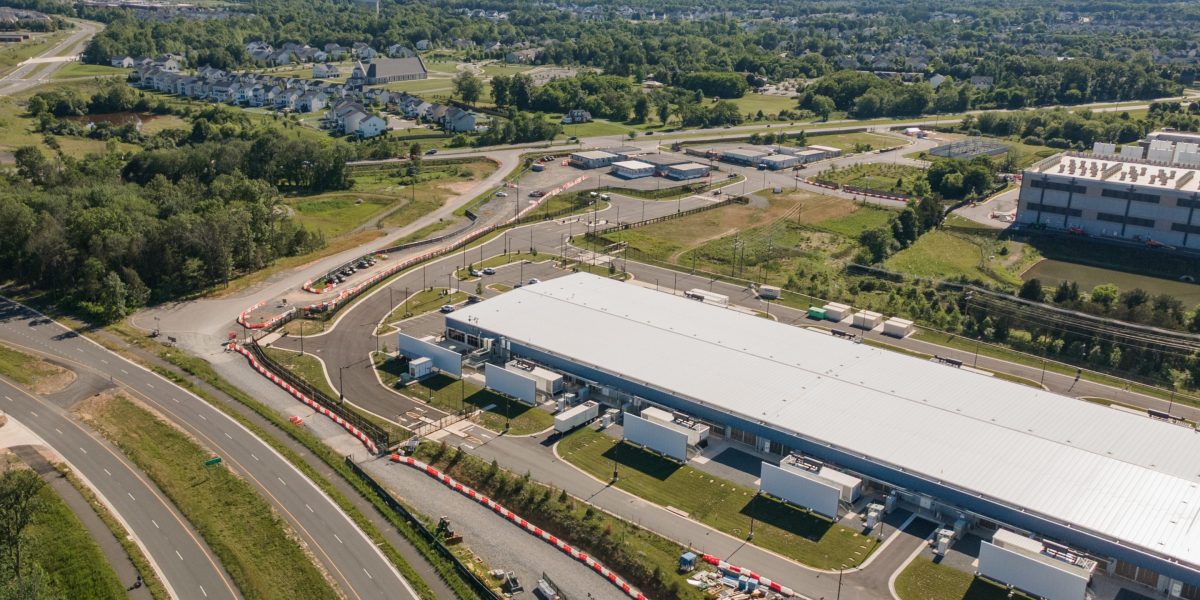
Microsoft reported a 25% increase in carbon emissions for 2025, underscoring the climate cost of its rapid artificial intelligence data center expansion. The company said the rise came as demand for AI infrastructure pushed up needs for power, water, land and construction materials.
In its annual sustainability report released Thursday, Microsoft said it emitted 20 million metric tons of carbon dioxide equivalent in 2025, compared with 16 million metric tons a year earlier. The company attributed the increase to data center construction and a pause it had previously announced in purchases of some renewable energy credits.
Microsoft President Brad Smith and Chief Sustainability Officer Melanie Nakagawa wrote in the report that AI infrastructure is increasing demand for resources while sustainability tools are not growing quickly enough to keep pace. They described that gap as a real tension for the company.
AI growth tests a 2030 climate pledge
Bloomberg reported that Microsoft promised six years ago to become carbon negative by 2030, meaning it aimed to remove more carbon from the atmosphere than it produced. Bloomberg said that target had been supported by gains in data center efficiency, more renewable power investment and emerging carbon-removal technologies.
The company’s current spending push has complicated that plan, according to Bloomberg. Microsoft has been building the computing capacity needed to support AI models, a shift that Bloomberg said has added pressure to electric grids and encouraged utilities to add fossil-fuel generation.
Bloomberg cited Microsoft’s June agreement with Chevron as one example of the energy demands tied to the buildout. Under that deal, Bloomberg reported, Microsoft agreed to buy power from a large natural-gas-fired plant planned for West Texas to supply a new data center complex.
Carbon credit strategy under review
Microsoft said its reported emissions would have been lower if it had continued buying a certain category of carbon credit. Bloomberg described that type of credit as disputed among environmental advocates because it does not directly support the creation of new carbon-free electricity.
Bloomberg also reported that Microsoft had told sustainability partners it would scale back new carbon-banking agreements. Company executives had also considered setting aside a goal to match data center electricity consumption with renewable power on an hourly basis, Bloomberg reported.
The pullback comes as other companies have softened or abandoned climate commitments, according to Bloomberg, while the U.S. federal government has reduced environmental standards and moved against some sustainability programs.
Smith and Nakagawa wrote that Microsoft wants to define sustainability requirements with more precision and adjust its approach as data and conditions change. They said in the report that the changes do not mean Microsoft is reducing its ambition.
This story draws on original reporting from Fortune.