
OpenAI files confidential IPO papers as trillion-dollar listing wave builds
OpenAI said it submitted a confidential S-1, adding to a run of expected large tech listings that is testing investor appetite for AI names.
By Daniel Okafor · Business Editor
3 min read
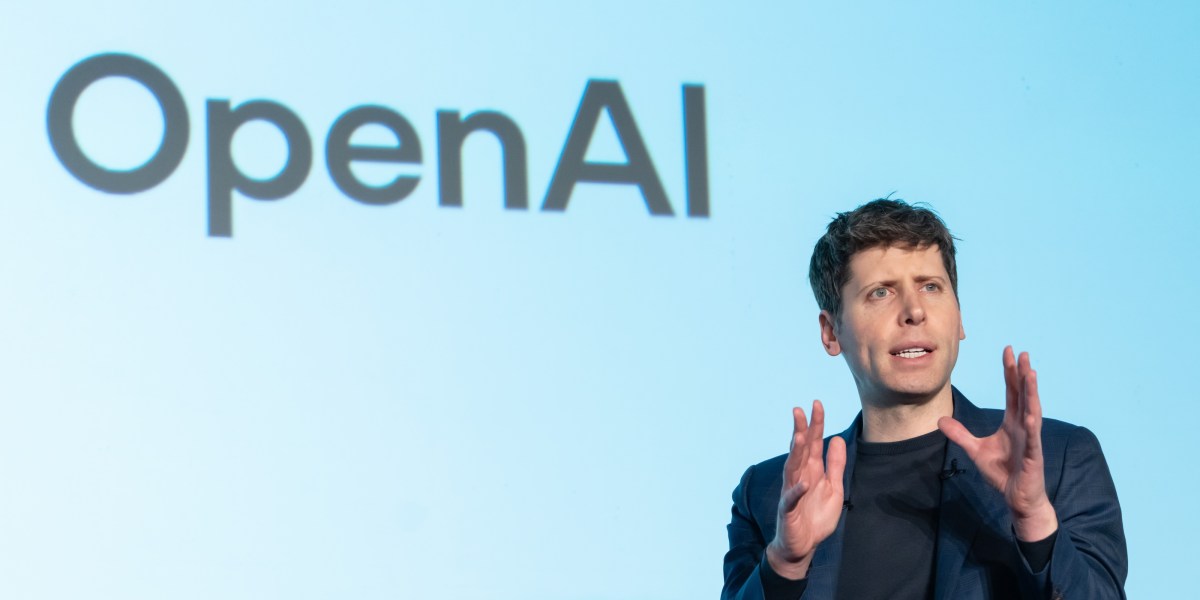
OpenAI has submitted confidential paperwork for an initial public offering, giving the ChatGPT maker the option to list shares while it weighs staying private longer. The filing matters because OpenAI may join a rare cluster of tech companies seeking public-market valuations above $1 trillion, according to Fortune and the Financial Times.
In a short statement, OpenAI said it had “recently submitted a confidential S-1” and disclosed the move because it expected the filing to become public. The company said it had not chosen a timetable and added that some work may be easier while it remains privately held.
OpenAI’s statement said the filing gives it flexibility to go public sooner if that becomes the best course. Fortune’s Jim Edwards reported that the disclosure came after Anthropic said last week that it had also filed confidentially.
Valuation expectations rise
The Financial Times reported that OpenAI’s valuation is expected to exceed $1 trillion in an IPO. Fortune reported separately that OpenAI was most recently valued at $852 billion.
Fortune said an OpenAI listing would follow other expected offerings from SpaceX and Anthropic. The publication cited SpaceX at $1.78 trillion and Anthropic, last valued at $965 billion, as part of a possible wave of trillion-dollar-plus listings.
The Wall Street Journal reported that AI-related financing has drawn intense demand, including $159 billion in bond funding this year. Fortune cited the Journal’s reporting on unusual financing structures, including a Google 100-year bond in British pounds with a 6.05% yield.
Investor appetite faces a test
The scale of the expected IPOs is raising questions on Wall Street about how much new supply public markets can absorb. Fortune reported that one chief executive at an asset investor with more than $1 billion under management said in an email that he would avoid the offerings for six months, apparently to see how insider lockup expirations affect trading.
Chris Beauchamp of IG said in an email cited by Fortune that markets face another test from a very large listing tied to companies promising broad economic and social change. He compared the moment with the early 2010s wave of loss-making tech IPOs, while saying the stakes and risks are greater this time.
AllianceBernstein’s Inigo Fraser Jenkins told clients, in a note seen by Fortune, that investors have asked whether a coming “wall of issuance” from very large IPOs could weigh on markets. He pointed to SpaceX’s $1.77 trillion valuation and an expected $1 trillion-plus valuation for OpenAI.
Fraser Jenkins argued that the size of the share sales may be less concerning than the business structures behind some AI companies. He wrote that only about $75 billion of SpaceX stock is expected to be offered to the public, a figure he said is smaller than the pace of U.S. corporate share buybacks.
His larger concern, according to Fortune, is “the increased circularity” in AI investing. Fraser Jenkins said about one-third of tech sector earnings come from cross-holdings in companies such as those planning IPOs, including Alphabet’s stake in Anthropic.
OpenAI has not announced when it would list shares. Its filing keeps that path open while investors assess whether public markets can support several of the most highly valued private technology companies at once.
This story draws on original reporting from Fortune.