
Oman proposes split Strait of Hormuz routes amid U.S.-Iran standoff
CNN reported that Oman is drafting a two-corridor plan for the Strait of Hormuz as U.S. and Iranian forces remain locked in a fragile ceasefire.
By Sofia Marchetti · World Affairs Correspondent
3 min read
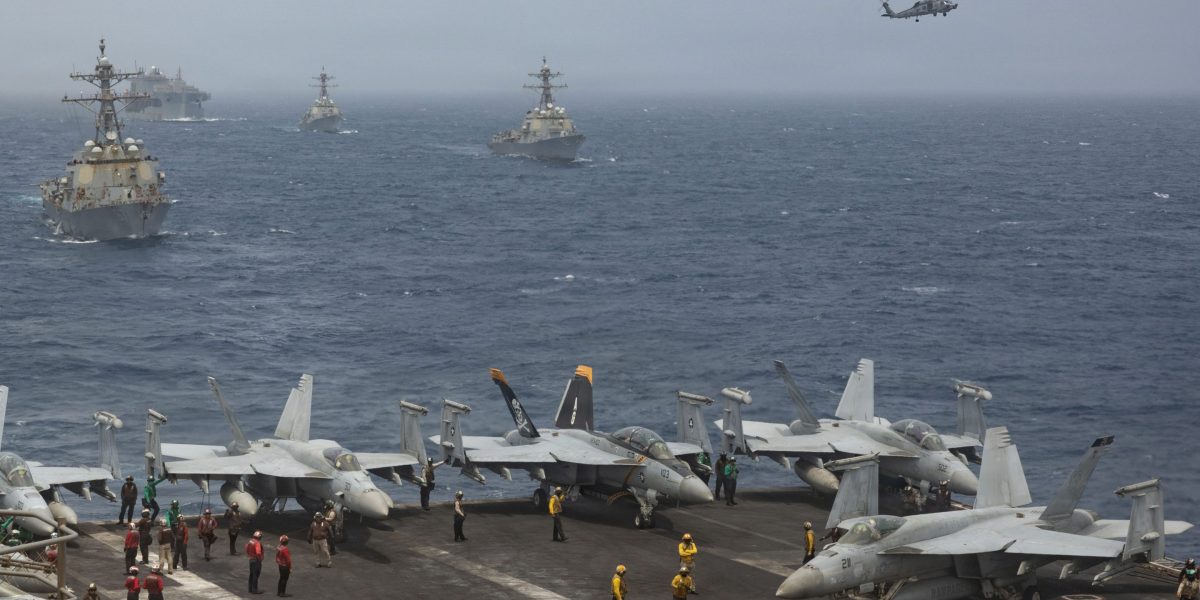
Oman is working on a plan to divide Strait of Hormuz traffic into two separately managed routes, CNN reported, a bid to reduce clashes over one of the world’s most important oil passages. The proposal matters because the U.S. and Iran have been unable to agree on fully reopening the waterway despite a ceasefire, Fortune reported.
According to Fortune, fighting in the Persian Gulf has continued in bursts as both sides seek control over ship movements through the narrow strait. Iran has said vessels must use a route near its coast and obtain its approval, and Fortune reported that Iranian forces have attacked ships that tried to pass outside that channel.
The U.S. has answered by striking Iranian sites tied to drone and missile attacks, while the U.S. Navy has escorted ships through a separate route closer to Oman, Fortune reported. Senior U.S. officials have pressed Tehran to publicly state that the strait is open and that ships will not be targeted, according to Fortune.
Iran has resisted that demand because its ability to threaten passage through the strait gives it leverage over the global economy through potential oil disruptions, Fortune reported. Weeks of U.S. bombardment during the war did not fully reopen the waterway, though the Navy created an alternate channel by guiding ships through it and defending them, according to Fortune.
Two corridors under discussion
CNN reported Saturday, citing sources, that Oman’s proposal would split traffic between a southern corridor in Omani territorial waters and a northern corridor in Iranian waters. The plan has not been finalized, CNN reported.
Under the draft arrangement described by CNN, the southern route would operate under the free-navigation conditions that existed before the war. Ships using the northern route would need approval from Tehran, though CNN reported that the plan would not impose tolls.
CNN also reported that Iran’s foreign minister met his Omani counterpart in Muscat on Saturday to discuss safe passage through the strait. Fortune reported that Oman’s foreign ministry did not immediately respond to a request for comment.
Official declarations may not be enough to restore normal traffic, Fortune reported, because shipping companies and insurers still must decide whether the passage is safe. The U.S. military has taken responsibility for defending the Omani route, giving Washington effective control over that channel, though Fortune reported that some Iranian attacks have still reached targets.
Fortune reported that oil markets are likely to remain under pressure until enough vessels can move in and out of the Persian Gulf to load and deliver crude supplies. Consuming countries have been forced to draw down reserves while traffic remains disrupted, according to Fortune.
Analysts see pressure for a deal
Dan Alamariu, chief geopolitical strategist at Alpine Macro, said in a Wednesday note cited by Fortune that the U.S. could try to force the strait open and that current military activity suggests Washington may be preparing for that option. He also said the U.S. could restore a naval blockade to weaken Iran economically, calling that the “path of least resistance” unless a memorandum of understanding signed last month is reaffirmed.
Alamariu said a new agreement may be needed, while warning that more fighting, a blockade, or both could come first, according to Fortune. He said a deal was “quite possible, even likely” within one to two months or sooner, but added that the timing and escalation risks remain uncertain because both governments are trying to strengthen their bargaining positions.
This story draws on original reporting from Fortune.