
New housing law targets US home shortage with zoning and lending changes
The 21st Century Road to Housing Act became law July 11 after President Trump declined to sign or veto it, Bloomberg reported.
By Maya Lindqvist · Senior Technology Correspondent
3 min read
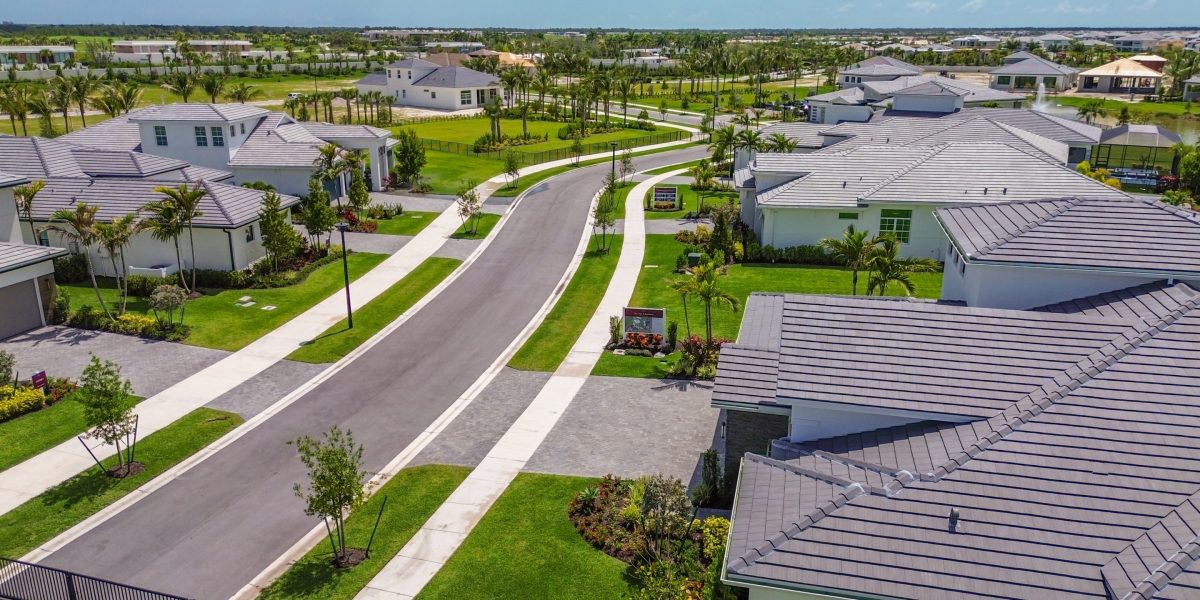
A broad federal housing bill became law on July 11, adding new tools aimed at increasing the number of homes in the U.S. and easing pressure on buyers facing high prices and mortgage rates. Bloomberg reported that the 21st Century Road to Housing Act is the most significant federal push in decades to address the country’s housing shortage, though its effects may take years to show up because construction is slow and many barriers sit with state and local governments.
The measure cleared both chambers of Congress by large bipartisan margins, according to Bloomberg. President Donald Trump had said he would not sign it unless Congress also passed an unrelated voter ID bill, but he did not veto the housing measure, allowing it to become law 10 days after it reached his desk.
What the law does
Bloomberg reported that the law seeks to increase housing supply by encouraging factory-built homes, reducing some development barriers and pressing local governments to change rules that limit new construction. It also creates a program meant to reward state and local governments that revise restrictive zoning policies.
The law includes provisions for pre-approved home designs and faster environmental reviews, according to Bloomberg. It also sets up a pilot program for competitive federal grants to help localities turn underused commercial buildings into affordable housing.
Community banks also get relief under the legislation. Bloomberg reported that nine provisions ease regulatory requirements for those banks, which could make it easier for them to issue mortgage loans.
Investor limits and supply questions
The law also tries to limit large investors in the single-family market. Bloomberg reported that institutional investors owning more than 350 homes will be barred from buying additional single-family properties.
The impact of that restriction is uncertain. Bloomberg reported that large institutional investors own about 2% of the nation’s single-family rental housing stock.
House lawmakers removed a disputed requirement that would have forced large investors to sell homes built as rentals within seven years, according to Bloomberg. Housing experts and advocates cited by Bloomberg said that rule could have threatened one of the few current sources of new housing and put as many as 100,000 new homes a year at risk.
How large is the shortage?
Estimates of the U.S. housing gap differ widely. Freddie Mac said in November 2024 that the country was short 3.7 million housing units based on demand from population growth, Bloomberg reported.
The National Association of Realtors estimated in June 2021 that the shortage was 5.5 million units, comparing building trends over the prior 20 years with construction rates from 1968 through 2000, according to Bloomberg. The White House said in the spring that the gap was at least 10 million single-family homes, Bloomberg reported.
Bloomberg tied today’s affordability problems to a supply shortfall that built up over roughly two decades. Home construction fell after the 2008 financial crisis and has not returned to pre-crisis levels, while pandemic-era demand and population growth in many cities pushed costs higher, according to Bloomberg.
Why local rules still matter
The federal government has major influence over mortgage finance through Fannie Mae and Freddie Mac, which package mortgages into securities and sell them to investors, Bloomberg reported. Its direct control over building activity and home prices is more limited because zoning, permitting and many regulations are set by states and localities.
Zoning rules can make affordable housing harder to build by limiting the type and size of homes allowed in many neighborhoods, according to Bloomberg. The National Association of Home Builders said regulatory costs at the federal, state and local levels accounted for 26.4% of the average sales price of a new house as of January.
This story draws on original reporting from Fortune.