
Oilman turns farm-company shell into nuclear startup at Texas college
Natura Resources plans a molten-salt test reactor in Abilene in 2028, with commercial ambitions in Texas by 2032.
By Hana Yoshida · Markets Reporter
3 min read
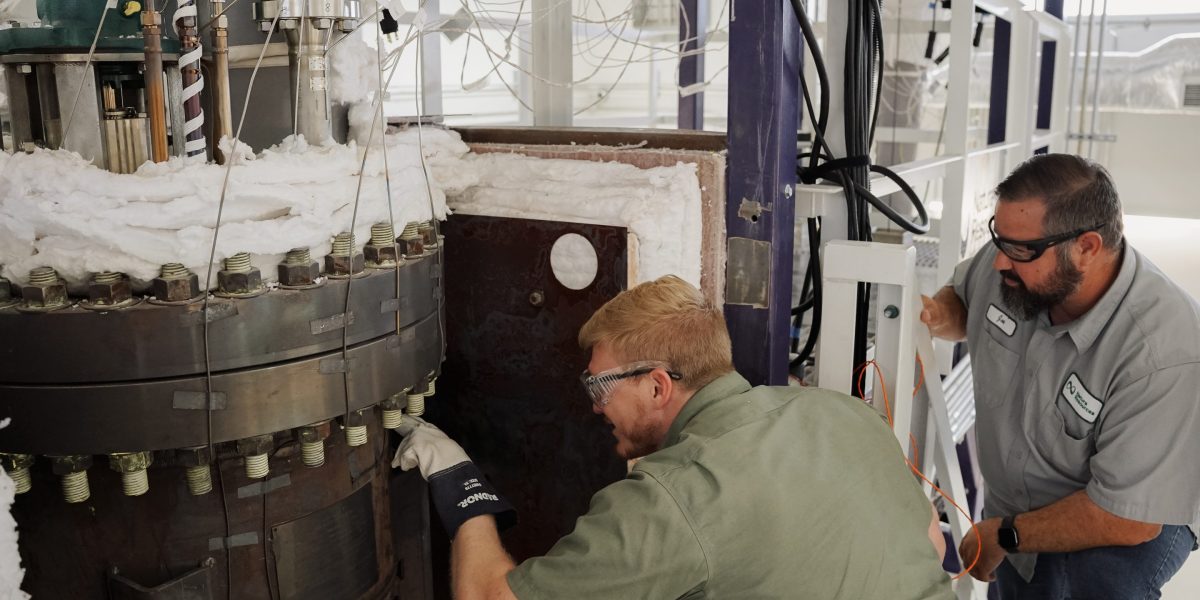
Natura Resources, a company revived from an old organic farming venture, has become a prominent advanced nuclear startup built around research at Abilene Christian University. Fortune reported that founder Doug Robison, a third-generation Texas oilman, is funding and leading the effort as demand for reliable power rises from data centers, industry and the grid.
Robison was preparing to retire and sell his petroleum business nearly a decade ago when he visited Abilene Christian University, where his children had studied, according to Fortune. There, he heard Rusty Towell, director of the university's Nuclear Energy Experimental Testing lab, discuss molten-salt reactors and their potential to provide lower-cost electricity.
Robison first gave $3.2 million for research, Fortune reported. The project later drew attention from the Department of Energy under then-Energy Secretary Rick Perry, and in 2019 the department offered fuel and salt support if the group would build a test reactor. Abilene Christian agreed to host it.
Natura Resources was then formed from the dormant corporate shell of an organic farming company Robison had started in the 1980s, according to Fortune. The company is now focused on smaller advanced reactors that use molten salt technology rather than the high-pressure water systems used in conventional nuclear plants.
Test reactor planned for 2028
Natura's first reactor, called MSR-1, is planned for Abilene in 2028, Fortune reported. The Nuclear Regulatory Commission approved a construction permit for the project in 2024.
The company also plans a 100-megawatt commercial reactor by 2032, with possible locations in the Permian Basin of West Texas or near Texas A&M University in Bryan, according to Fortune. Natura's research alliance now includes more than 150 researchers from Abilene Christian, the University of Texas at Austin, Texas A&M and the Georgia Institute of Technology.
Natura joined the Trump administration's Nuclear Reactor Pilot Program, which began with 10 companies and set a goal of getting at least three test reactors to criticality by July 4, Fortune reported. Criticality means a reactor has sustained its first nuclear chain reaction; it does not mean the reactor is producing continuous electricity.
Fortune reported that Natura was not among the three companies that announced criticality by that date. Those were Antares Nuclear, Valar Atomics and Deployable Energy, which are working on microreactors for industrial or military uses rather than initial utility-scale power.
Natura is pursuing a full reactor system rather than a short criticality demonstration, chief operating officer Jordan Robison, Doug Robison's nephew, told Fortune. The company will need more outside capital to expand commercially, Fortune reported.
Commercial plans tied to Texas energy demand
Advanced reactors known as Gen IV designs use coolants such as molten salts, liquid metals or high-pressure gases instead of water, Fortune reported. Their developers say the designs can improve safety because they do not rely on the same high-pressure systems as conventional reactors.
Doug Robison told Fortune that Natura has lined up Teledyne Brown Engineering in Alabama for commercial reactor work and Zachry Nuclear for site design and construction. Natura also bought Shepherd Power from NOV, while forming a partnership with NOV, according to Fortune.
Robison is looking at the Permian Basin as a possible first commercial site because the region needs more electricity and produces large volumes of polluted water from oil and gas activity, Fortune reported. He said reactor heat could help desalinate water, and Natura is working with NGL Energy Partners, which has a water solutions business.
The company's next task is to prove the technology to investors, utilities and large power users. Robison told Fortune he believes Natura's electricity costs can compete with natural gas without subsidies or mandates, but the company still has to demonstrate that at scale.
This story draws on original reporting from Fortune.