
Oil rises as investors doubt quick reopening of Hormuz
Fresh U.S.-Iran strikes pushed Brent crude higher as analysts warned the Strait of Hormuz may stay shut longer than markets expected.
By Maya Lindqvist · Senior Technology Correspondent
3 min read
Oil prices climbed after another round of U.S.-Iran military action near the Strait of Hormuz, a sign investors are losing confidence in a quick deal to reopen the key shipping route. The move matters for global markets because a prolonged closure could tighten energy supplies and test how long inventories can cover lost production.
The BBC reported that the U.S. bombed Qeshm Island in the Strait of Hormuz overnight. The BBC also reported that Iran sent drones toward Kuwait’s international airport and fired missiles at Bahrain, which were intercepted.
Brent crude traded at $98 a barrel Wednesday morning, up from $93 a barrel 24 hours earlier, according to Fortune. The rise came as broader markets showed strain, with S&P 500 futures down 0.17% and European stocks lower in early trading, Fortune reported.
Analysts cited by Fortune said sentiment on Wall Street had shifted after hopes earlier in the week that Washington and Tehran might be moving toward an agreement. Deutsche Bank’s Jim Reid and colleagues told clients they saw “increasing pessimism” that a U.S.-Iran deal to reopen the Strait was near, according to Fortune.
ING’s Chris Turner warned clients that the Gulf crisis remained unresolved and that each day the Strait stays closed brings markets closer to a point where stockpiles can no longer offset shut-in supply, Fortune reported. RBC’s Peter Schaffrik and colleagues told clients that oil looked underpriced compared with market expectations for when Hormuz traffic would return, according to Fortune.
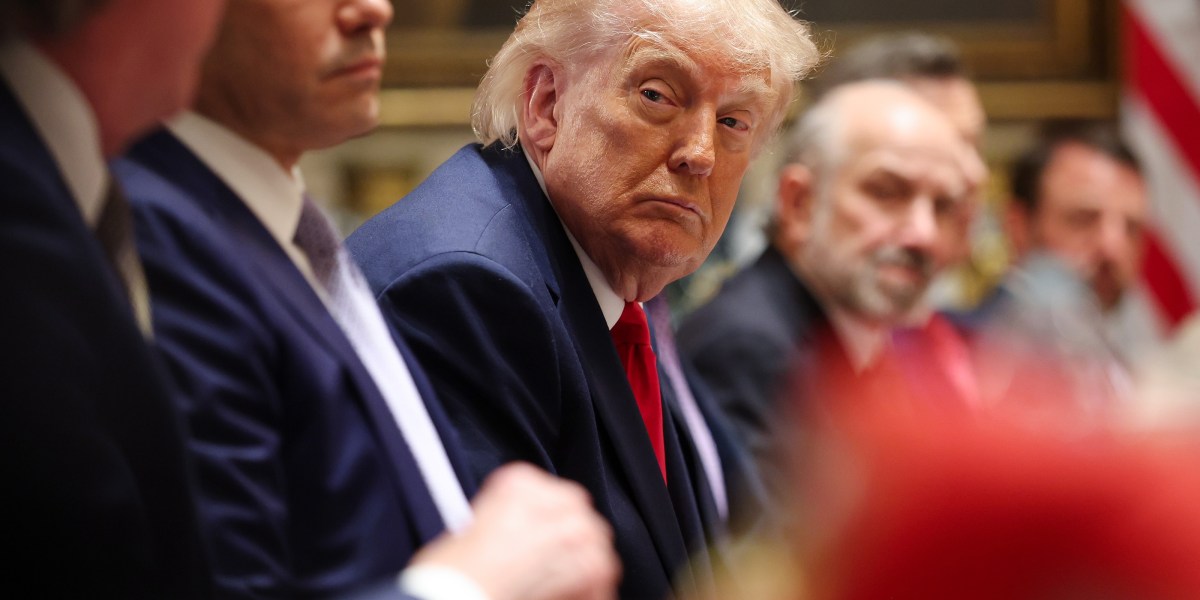
President Donald Trump sought to calm concerns about diplomacy. In a Truth Social post cited by Fortune, Trump said reports that the U.S. and Iran had stopped talking were “false and erroneous,” and that conversations had continued over several days.
Trump wrote that he had told Iran it was time “one way or another” to make a deal, according to the post cited by Fortune. He added that where the talks lead was uncertain.
The difficulty in reopening the waterway reflects mistaken assumptions inside the Trump administration before the conflict, according to a New York Times analysis cited by Fortune. The Times reported that the White House underestimated Iran’s willingness to shut the Strait and keep it closed because officials believed such a move would amount to economic self-harm by blocking Iran’s own oil exports.
That view depended on an assumption that Iran would rely on mines, which would stop most shipping, according to the New York Times analysis. Instead, Iran has used limited mining and cheap drones launched from shore to harass vessels, a tactic that lets its own ships keep moving while leaving hostile shipping stuck, the Times reported.
Fortune also reported that the Chinese-owned tanker Rich Starry, which it has tracked using MarineTraffic.com, has not moved since mid-April. The tanker’s status has become one marker of how shipping remains affected by the disruption in and around the Strait.
This story draws on original reporting from Fortune.