
Oil prices stayed contained as wartime logistics shifted supply fast
Digital tanker tracking, U.S. shipping waivers and China’s stockpiles helped blunt the oil-market shock from the Iran war, Fortune reported.
By Sofia Marchetti · World Affairs Correspondent
3 min read
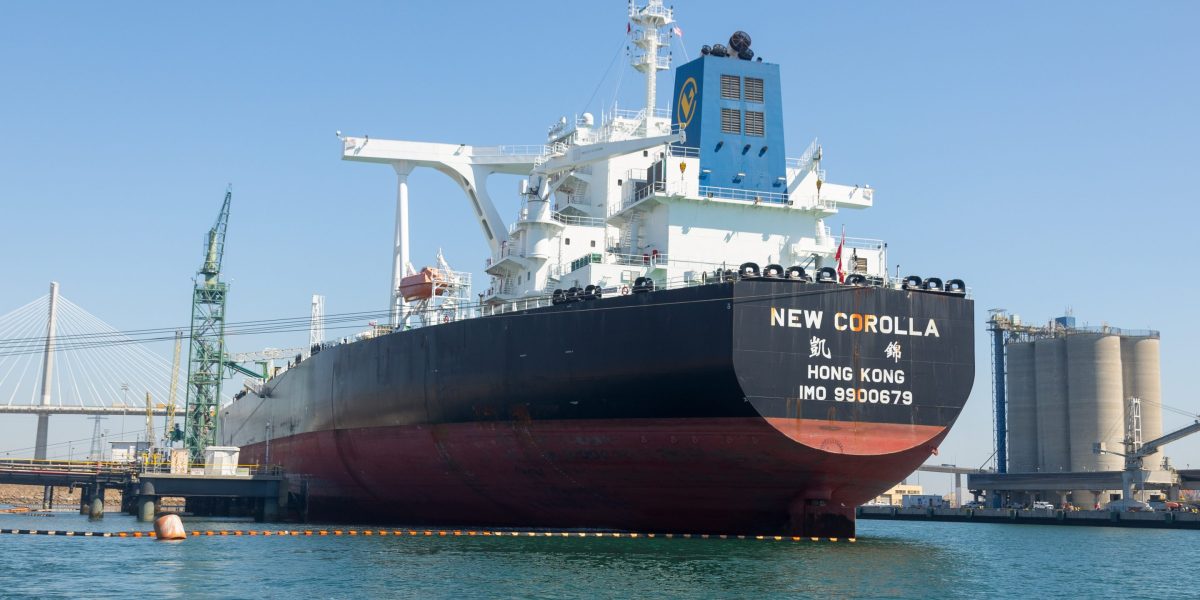
Oil prices rose after renewed U.S.-Iran fighting, but they remained far below earlier peaks as traders and governments used faster logistics and reserve supplies to keep barrels moving, Fortune reported. The episode shows how satellite tracking, digital trading systems and strategic stockpiles have changed the way energy markets respond to a supply shock.
After President Donald Trump said Wednesday that the Iran ceasefire was “over” amid another exchange of military strikes, the U.S. crude benchmark rose about 5% to $74 a barrel, according to Fortune. That was still well under the $112 level reached in mid-May.
Fortune reported that the temporary effective closure of the Strait of Hormuz cut off nearly 20% of global oil and liquefied natural gas supplies. Even so, energy analysts told the publication that markets were steadied by the ability to identify, buy and redirect cargoes already at sea.
Jim Wicklund, managing director at energy investment firm PPHB, told Fortune that the industry now has logistics tools that did not exist during the oil shocks of the 1970s. He said traders can use terminals to locate tankers, identify cargo ownership and arrange diversions, reducing the importance of holding large physical inventories.
Wicklund compared the system to Amazon’s inventory and delivery model, saying buyers can secure oil cargoes on the water rather than rely as heavily on barrels stored on land. He told Fortune that the relationship between commercial inventories and oil prices has weakened in recent years.
Shipping rules and reserves helped ease pressure
Fortune also pointed to the Trump administration’s temporary waiver of the Jones Act as a factor in easing fuel bottlenecks. The 106-year-old law requires cargo ships traveling between U.S. ports to be U.S.-built, U.S.-flagged and U.S.-crewed, which limits the vessels available for domestic energy shipments.
The waiver allowed additional ships to move crude and refined products within the United States, Fortune reported. One example cited was fuel moving from the Gulf Coast through the Panama Canal to California, where refinery closures had contributed to supply concerns.
China’s reserves played an even larger role in moderating the market, according to Fortune. China had been importing more than 11.5 million barrels a day before the war, but by June its imports had fallen below 7 million barrels a day, reducing global oil demand by almost 5 million barrels daily.
The U.S. government estimates that China had built oil reserves of about 1.4 billion barrels before the conflict began, Fortune reported. China does not disclose many details about those inventories.
Arjun Murti, energy macro and policy partner at research and investment firm Veriten, told Fortune that China’s role as a stabilizing force in energy markets was new. He said analysts had not expected such a large drop in Chinese imports.
The U.S. Strategic Petroleum Reserve has also been drawn down, Fortune reported. It held 319 million barrels as of July 3, down from 415 million barrels at the start of the war and the lowest level since 1983.
Analysts told Fortune that Trump is unlikely to begin refilling the reserve before this year’s midterm elections because he wants lower fuel prices. Fortune reported that Trump has authorized a total release of 172 million barrels over several months, which could push the reserve lower before rebuilding begins, possibly next year.
Wicklund told Fortune that market resilience has quieted forecasts of oil reaching $200 a barrel. He said he had not expected prices to fall as much as they did in late June and July.
This story draws on original reporting from Fortune.