
Oil prices push consumer costs higher as crude tops $100
Crude above $100 is lifting fuel, freight, grocery and travel costs as Middle East fighting disrupts supplies, AP reports.
By Hana Yoshida · Markets Reporter
4 min read
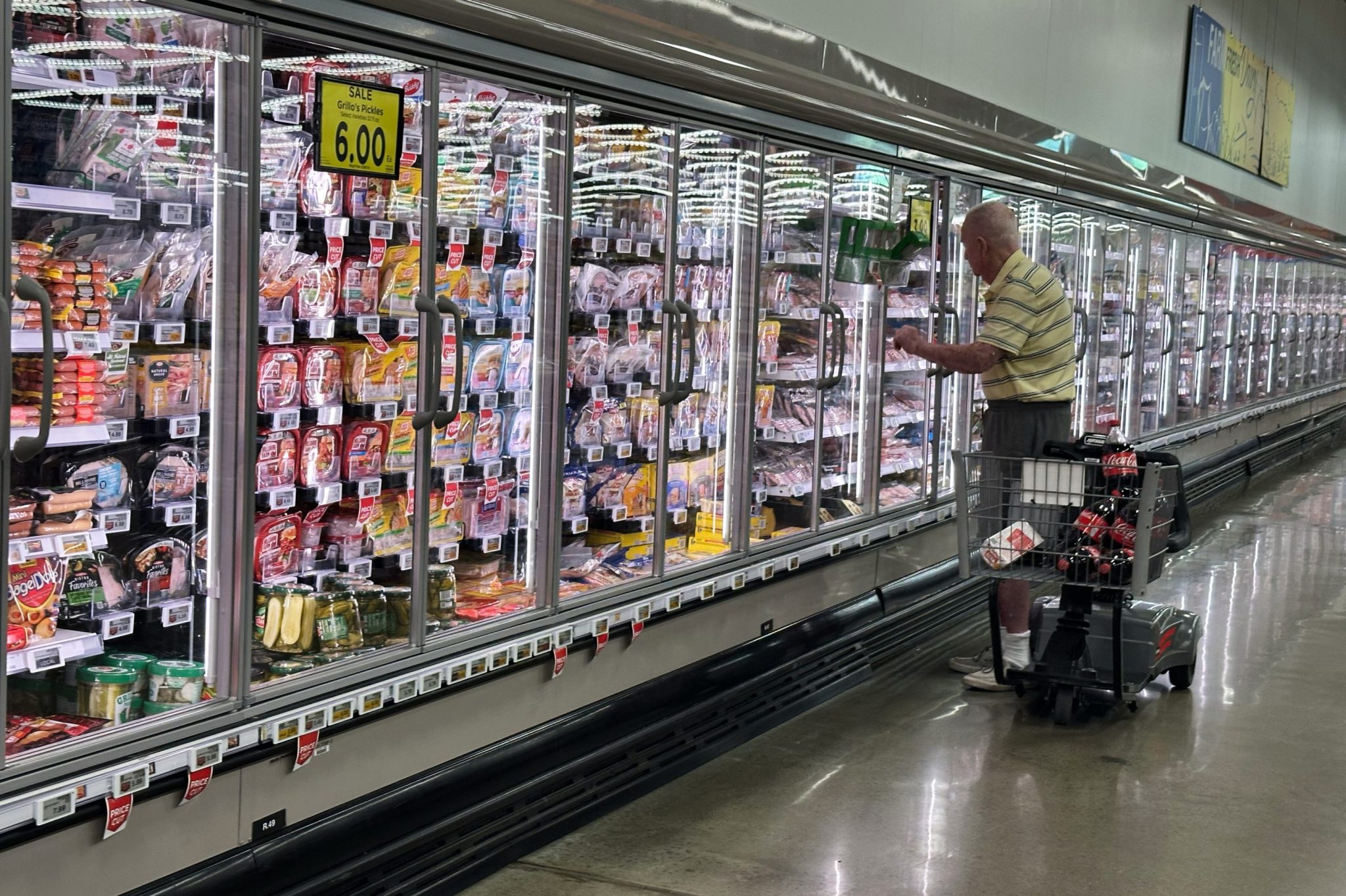
Oil prices consumer costs are rising again after crude moved above $100 a barrel Thursday, with the Associated Press reporting that renewed fighting and military strikes have left global oil supplies stuck in the Middle East. The increase threatens to feed into gasoline, groceries, shipping, shoes and airfares for U.S. households already under pressure.
Brent crude, the global benchmark, had last touched $100 a barrel in May, according to AP. Prices had eased for a time in June when fighting between the U.S. and Iran cooled, but the latest escalation reversed that relief.
Joe Adamski, a managing director at procurement services company ProcureAbility, told AP that petroleum costs ripple through the economy because so many goods and services depend on fuel.
How do higher oil prices affect consumers?
Higher oil prices raise costs first for fuel, then for goods that must be grown, cooled, packaged, shipped or flown. Companies may absorb some of the increase, but AP reported that many businesses affected by an earlier energy spike after U.S. and Israeli attacks on Iran have passed part of their added costs to shoppers.
AAA said volatility around the Strait of Hormuz and wider regional instability have lifted crude prices, the main input for gasoline. The average U.S. price for regular gasoline reached $4.09 a gallon Thursday, up 15 cents from a week earlier, and AAA said drivers in most states were paying at least $4.
Pavel Molchanov, an investment strategy analyst at Raymond James, told AP that pump prices are likely to keep climbing into next week because changes in crude prices take time to move through the oil supply chain. Molchanov also said futures prices for later this year and next year were lower, a sign markets expect prices could ease when military action stops.
Higher prices have not sharply reduced driving, according to federal data cited by AP. The U.S. Energy Information Administration said gasoline demand rose 1% last week to 8.9 million barrels per day.
Groceries, freight and retail feel the pressure
Food prices are exposed because farms use diesel-powered equipment and many grocery items move by truck. Miguel Gomez, a Cornell University professor who directs the school’s Food Industry Management Program, told AP that oil at $100 puts pressure on food supply chains, especially trucking, refrigerated transport and packaging.
Gomez said fresh produce and dairy could be more affected because they need refrigeration during delivery. Imported products also face higher shipping costs; he cited olive oil from Europe as one example. Albertsons lowered its fiscal 2026 outlook Thursday, pointing to pressure in its core grocery business and weaker consumer spending, AP reported.
Freight costs are also climbing. UPS, FedEx and other carriers added fuel surcharges and fees as energy prices rose, according to AP. The AFS Logistics and TD Cowen Freight Index released July 14 said truckload pricing reached a four-year high because of fuel costs and capacity limits.
Andy Dyer, CEO of AFS Logistics, told AP that second-quarter diesel prices were about 51% above January and February levels, while jet fuel prices were 90% higher than a year earlier. He said smaller truckload carriers may idle trucks if fuel prices make operations uneconomic.
Retailers are seeing customers adjust. Tractor Supply cut its annual sales outlook Thursday, and CEO Hal Lawton told analysts that higher fuel prices hurt spending because many customers drive long distances in pickup trucks, including diesel models. He said shoppers are combining trips and focusing more on needed purchases.
Back-to-school goods and flights may cost more
The Footwear Distributors and Retailers of America warned Wednesday that higher freight and material costs, along with tariff costs, were straining the footwear industry ahead of back-to-school shopping. Matt Priest, the group’s CEO and president, said some members reported 25% increases for petroleum-based materials used in footwear tied to the Middle East conflict, which could translate into about a 5% increase in finished footwear costs.
Airlines have raised fares and fees and trimmed routes that are less profitable with higher fuel costs, AP reported. American Airlines said Thursday that higher fares covered nearly half of its increased fuel bill, but the carrier still lowered its full-year outlook after second-quarter net income fell despite record revenue and strong spring demand.
EIA data cited by AP showed jet fuel demand over the latest four weeks was 9% higher than in the same period last year, even as travelers faced higher prices.
This story draws on original reporting from Fortune.