
Oil climbs as U.S.-Iran fighting puts Fed inflation path under pressure
Brent crude rose to about $78 as Middle East tensions threatened oil flows and complicated the Federal Reserve’s inflation fight.
By Daniel Okafor · Business Editor
3 min read
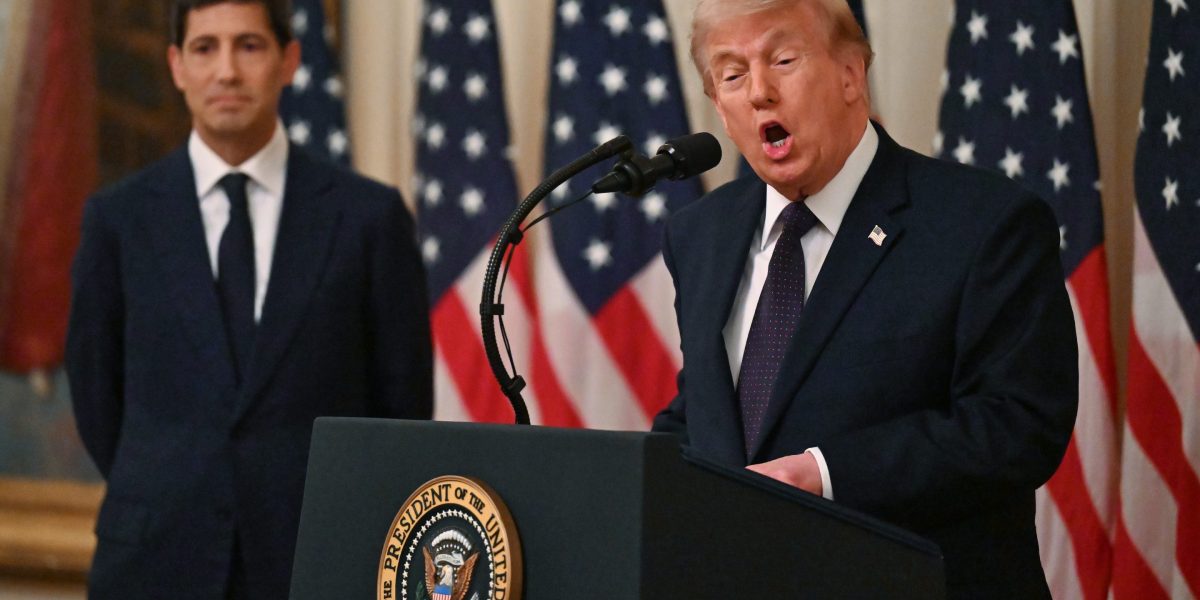
Oil prices rose again as fighting between the U.S. and Iran intensified, raising fresh concerns about inflation and the Federal Reserve’s interest-rate plans. Fortune reported that Brent crude was trading around $78 a barrel, up from just under $70 before the conflict.
Goldman Sachs said in a Sunday note that higher oil prices could affect inflation expectations and, by extension, the path of the Fed’s benchmark interest rate. The issue now sits with the Federal Open Market Committee, which is led by new Fed Chair Kevin Warsh, according to Fortune.
Hormuz worries return to markets
The weekend brought another round of military action between Tehran and Washington. Deutsche Bank’s Jim Reid described the conflict as having intensified sharply, according to Fortune.
President Donald Trump said the Strait of Hormuz remains open to commercial traffic, Reuters reported. Iran, which borders the strait, has said the waterway is closed, Fortune reported, a stance that could make ship operators more cautious about entering or leaving the Persian Gulf.
The strait is a central route for the global oil trade, and any disruption can quickly show up in energy prices. Fortune reported that oil futures pointed to prices rising over the next several months and staying near $72 a barrel through year-end, citing CME Group market data.
The conflict has also spread beyond the strait, according to Fortune. The Islamic Revolutionary Guard Corps reportedly claimed attacks on U.S. bases in Bahrain, Kuwait and Jordan, while U.S. Central Command said U.S. forces acted after Iran attacked another commercial vessel in the Strait of Hormuz.
Goldman sees limited room for error
Goldman Sachs chief U.S. economist David Mericle said several forces could still help inflation ease in coming months, Fortune reported. Those factors included a possible winding down of the conflict, a fading tariff impact and AI demand that Mericle described as mismeasured and overstated.
Mericle said those forces should be enough to keep the Fed from raising rates for the rest of the year, according to Fortune. He also warned that the outlook leaves little room for additional shocks.
If renewed escalation pushed oil back to $100 a barrel, Goldman’s model suggests monthly core inflation could rise by 3 to 4 basis points in coming months, Mericle wrote, according to Fortune. The Bureau of Labor Statistics reported core inflation at 4.2% in May, above the Fed’s 2% target.
Mericle said another supply shock could carry more weight in the Fed debate than the direct price effect alone, according to Fortune. He said repeated supply shocks have made it harder to judge when disruptions will end and could raise concern that inflation expectations become less stable.
Pipeline plans could change longer-term risks
Goldman’s commodities team said the latest oil rally shows how much short-term prices still depend on flows through Hormuz, according to Fortune. Alexandra Paulus’s team also said the disruption could encourage more pipeline construction out of the region.
The Goldman team estimated that new pipeline capacity in the Middle East could, by the end of 2027, shield more than 45% of the pre-war export level of Persian Gulf producers from future Hormuz disruptions, Fortune reported. By the end of 2028, that share could exceed 60%, the team estimated.
This story draws on original reporting from Fortune.