
Novo Nordisk and Eli Lilly press GLP-1 pill race before Medicare shift
The drugmakers are pitching rival obesity pills as Medicare prepares to cover GLP-1 weight-loss drugs for $50 a month starting July 1.
By Sofia Marchetti · World Affairs Correspondent
4 min read
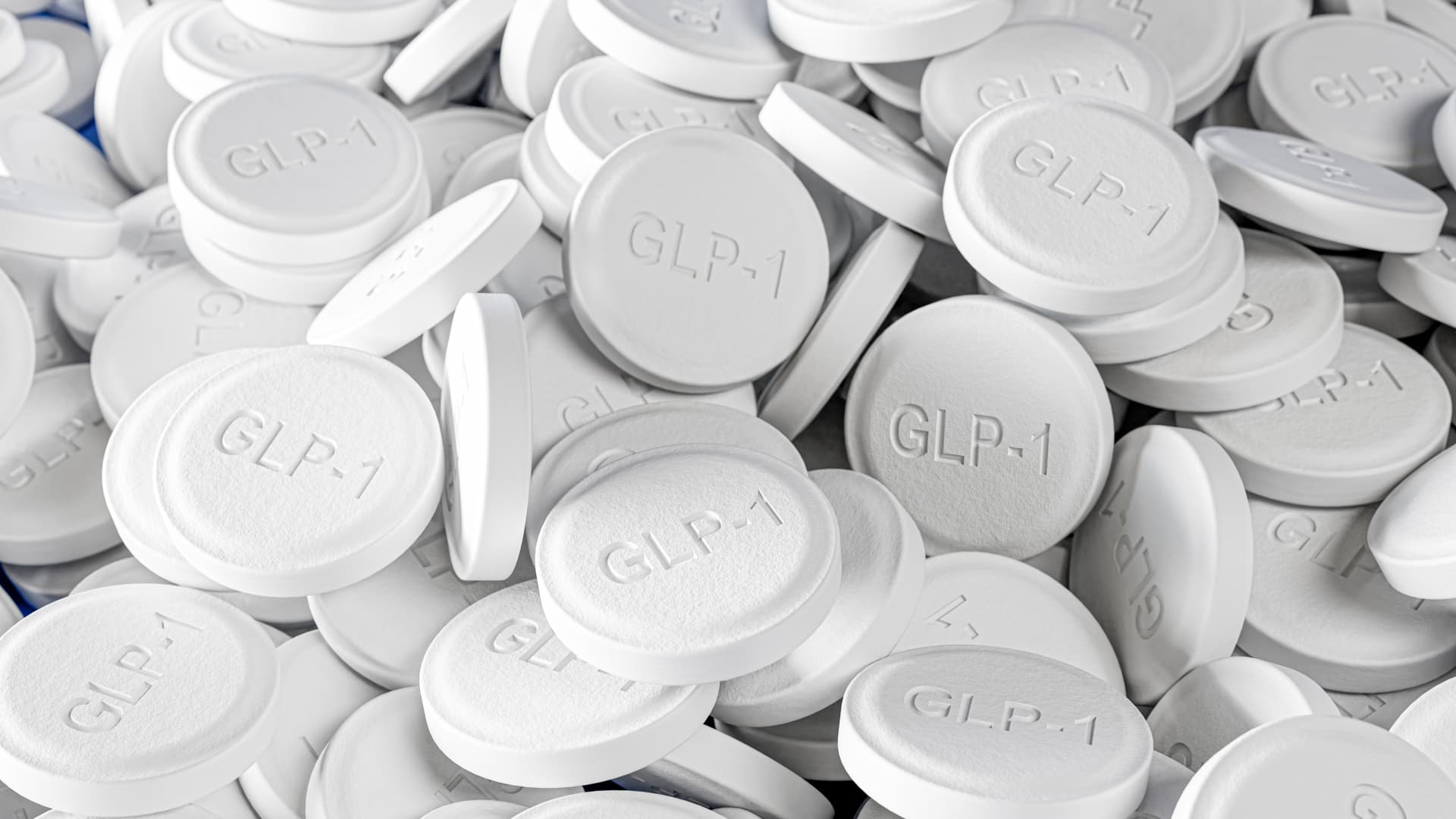
Novo Nordisk and Eli Lilly are fighting for early control of the GLP-1 obesity pill market as Medicare coverage is set to open the drugs to millions of seniors. The companies used the American Diabetes Association’s Scientific Sessions in New Orleans to promote rival pills and preview how they plan to compete once the new coverage begins July 1, CNBC reported.
Novo said Sunday that prescriptions for its Wegovy pill have passed 3 million since the drug reached the U.S. market about five months ago, according to CNBC. Novo CEO Mike Doustdar told CNBC the company accelerated prescriptions even after Lilly launched its own GLP-1 pill, Foundayo, in April.
Lilly CEO Dave Ricks told CNBC that Foundayo prescriptions are now “markedly higher” than the 20,000 the company reported around its first-quarter earnings release about six weeks earlier. Ricks did not give a new figure, but said prescriptions are rising week by week.
The rivalry was visible at the diabetes meeting, CNBC reported. Novo advertised the Wegovy pill on cars around the event, and Lilly promoted Foundayo on convention center floors.
Medicare coverage changes the market
Beginning July 1, millions of Medicare beneficiaries will be able to get GLP-1 drugs for weight loss for $50 a month, according to CNBC. Until now, seniors on Medicare who wanted obesity drugs generally had to pay out of pocket, which could cost hundreds of dollars monthly.
Novo and Lilly both told CNBC they are working to raise awareness of the Medicare program. Their sales messages differ.
Doustdar told CNBC that Novo plans to emphasize Wegovy’s label, including its ability to reduce the risk of cardiovascular events such as heart attacks and strokes. He said those benefits could help Novo regain ground against Lilly’s Zepbound shot among older patients.
Lilly is focusing on ease of use. Ricks told CNBC that Foundayo can be taken with food, water and other medicines at any time of day. Novo’s pill must be taken on an empty stomach with a small amount of water, followed by a 30-minute fast, CNBC reported.
Ricks said Lilly is working with the government ahead of the Medicare rollout and expects Humana, which CNBC said will process prescription requests, to perform well. He told CNBC the pilot could help show that obesity care should be treated as regular health care if it proves cost effective.
Coverage questions remain
Novo and Lilly are also trying to expand private insurance coverage for obesity drugs, CNBC reported. The Institute for Clinical and Economic Review has found obesity treatments to be cost effective, but employers have resisted broad coverage because many people could qualify and some patients stop treatment after losing weight.
Reuters reported last week that Cigna will stop covering GLP-1 obesity drugs for its own employees. Ricks told CNBC that fewer than 20% of Lilly’s beneficiaries use the drugs for weight loss and said patients are staying on them. He said Lilly is running an internal study of health costs and outcomes, including hospitalizations, diabetes progression and cardiovascular events, with results expected later this year.
More obesity drugs are in development
Lilly also presented Phase 3 data for retatrutide, an experimental triple-agonist drug, CNBC reported. Among people who stayed on treatment, the drug produced average weight loss of 28%, and nearly half lost more than 30% of body weight. CNBC said the drug also improved related conditions including knee osteoarthritis and sleep apnea.
Ricks told CNBC he expects retatrutide to be used first for people with higher body mass indexes. He also said Lilly plans to sell the drug through LillyDirect if the Food and Drug Administration approves it.
Novo’s next major obesity candidate is CagriSema, which combines Wegovy’s main ingredient with cagrilintide, a molecule that mimics the hormone amylin. CNBC reported that investors have been underwhelmed because its weight-loss results look closer to Lilly’s Zepbound and below retatrutide. Doustdar told CNBC he remains committed to launching CagriSema, and Novo expects an FDA decision in the fourth quarter.
This story draws on original reporting from CNBC.