
Nic Carter says he passed on WLFI after Witkoff mispronounced memecoin
The crypto investor told New York magazine he declined an advisory role after doubts about Steve Witkoff’s grasp of the project.
By Hana Yoshida · Markets Reporter
3 min read
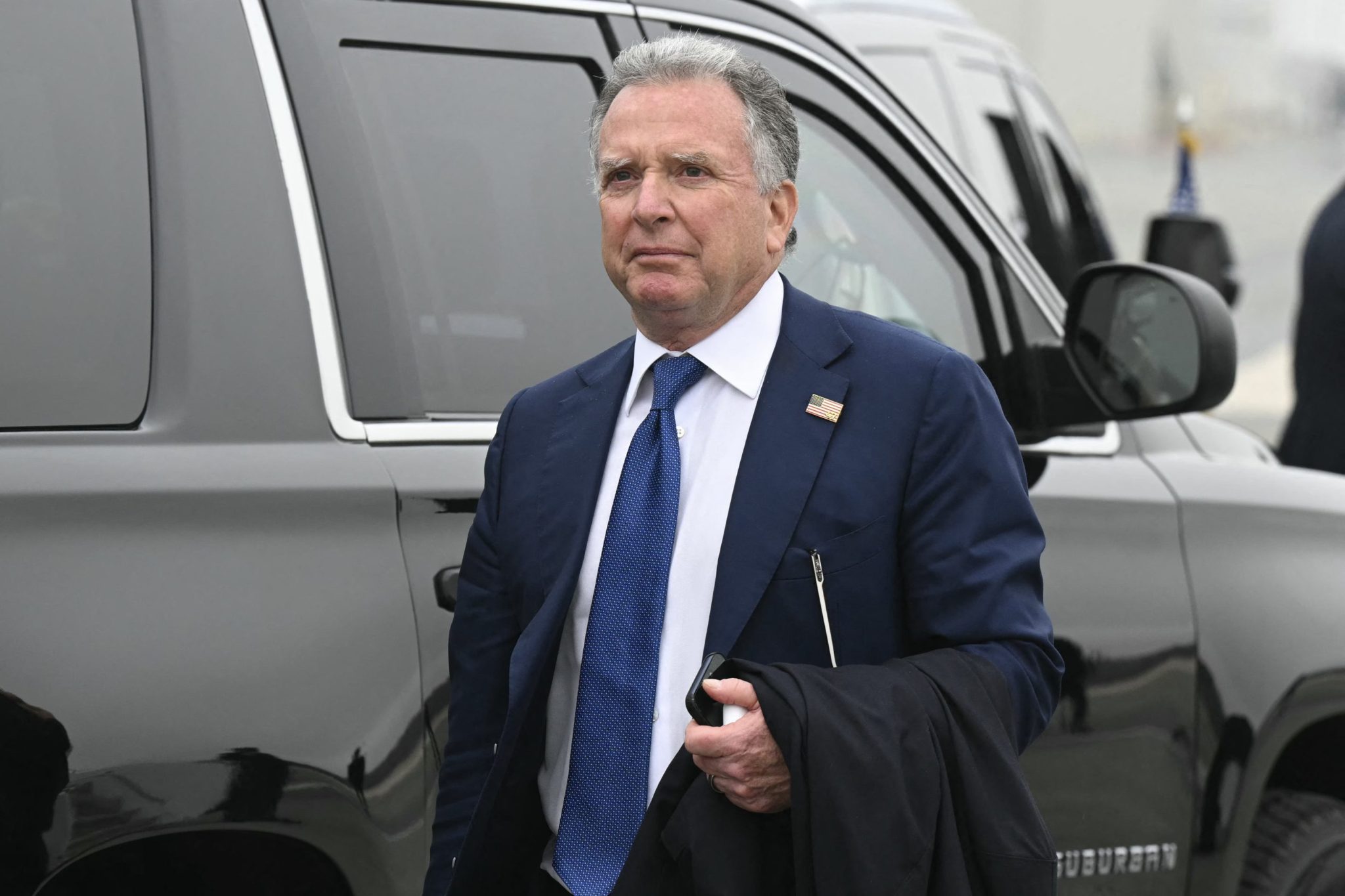
Nic Carter said he turned down a role with World Liberty Financial after a call that left him doubting whether cofounder Steve Witkoff understood the Trump family’s crypto venture. In a New York magazine feature, Carter said the telling moment came when Witkoff referred to “memecoin” as “me-me coin,” making nic carter wlfi memecoin the detail now drawing attention to the project’s early pitch.
Carter, a longtime crypto venture capitalist, told New York that Witkoff contacted him in 2024 while World Liberty Financial, known as WLFI, was seeking advisers. Carter said Witkoff did not appear to understand cryptocurrency or decentralized finance, and he concluded the group did not yet have a real product beyond issuing a token.
The exchange appeared in New York magazine’s broader report on WLFI and its ties to crypto billionaire Justin Sun. The magazine reported that Carter’s doubts grew when Witkoff said Donald Trump had become interested in the effort because Barron Trump was active with memecoins.
What is a memecoin?
A memecoin is a cryptocurrency linked to internet jokes, viral memes or online culture. The term matters here because Carter told New York that Witkoff’s pronunciation signaled to him that a key figure in the project had limited familiarity with the market WLFI was entering.
World Liberty Financial emerged in August 2024, when Donald Trump and his two eldest sons promoted a new crypto project on social media, according to New York. The company released a “Gold Paper” the next month, a riff on the crypto industry’s “white paper,” which usually lays out how a project works.
WLFI’s document described the business as a decentralized finance project meant to broaden access to financial opportunities. It listed Donald Trump, his three sons and Witkoff as cofounders, along with Witkoff’s two sons, internet marketer Chase Herro and former pickup artist Zak Folkman.
New York reported that Trump, who campaigned as a “crypto president,” became president in January 2025 and stepped away from WLFI, as did Witkoff. Witkoff is now the U.S. special envoy to the Middle East, according to the magazine.
How did Justin Sun become involved with WLFI?
New York reported that Justin Sun, founder of the TRON blockchain, sent $45 million to World Liberty Financial in 2024 in exchange for WLFI tokens and later became an adviser. The magazine said Sun’s participation gave the project more credibility with investors and helped its fundraising.
The relationship later broke down. According to New York, Sun said he became concerned that WLFI appeared to benefit the Trump family and a small group of insiders more than token holders.
Sun sued WLFI in April, accusing the company of fraud, breach of contract and freezing his WLFI tokens, according to the magazine. WLFI responded with a defamation claim against Sun, New York reported.
The venture has also been financially significant for Trump, according to figures cited by Fortune from his July financial disclosure. Fortune reported that $1.4 billion of Trump’s roughly $2.2 billion net worth came from crypto-related investments, including $600 million generated by his business entities from WLFI.
New York also reported that the WLFI token price has dropped more than 80% since it started trading on the open market last September, leaving holders and investors with large losses.
This story draws on original reporting from Fortune.