
Nexstar chief says Big Tech pressure threatens local TV
Perry Sook said local broadcasters need scale to compete with digital platforms and defended Nexstar’s pursuit of Tegna.
By Hana Yoshida · Markets Reporter
3 min read
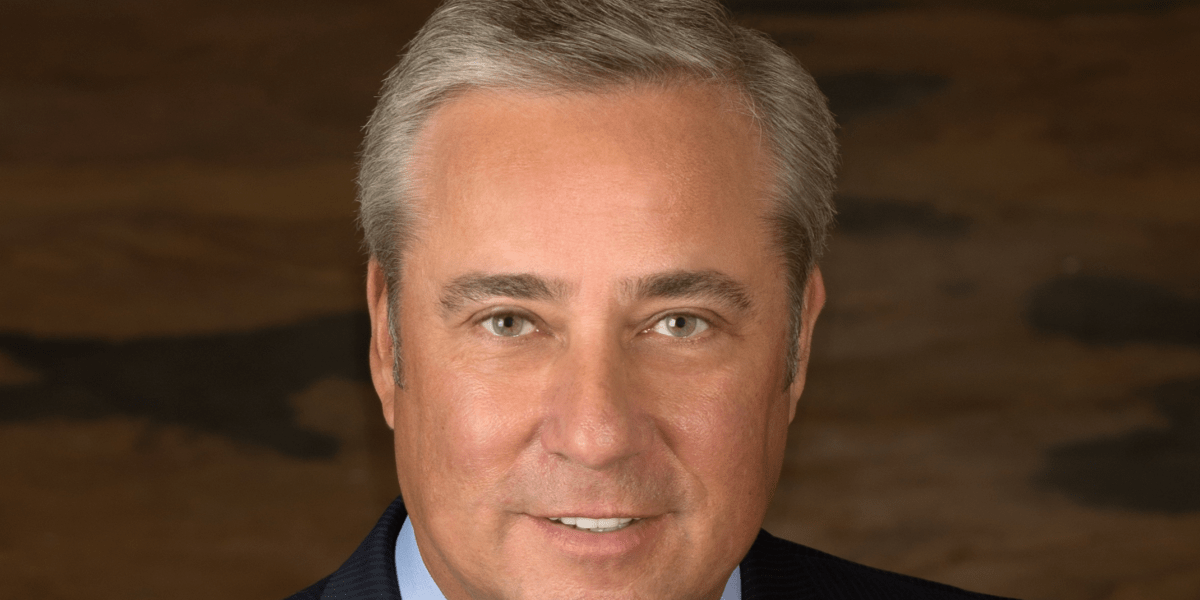
Nexstar Media Group CEO Perry A. Sook warned that local television could face the same economic damage that hit local newspapers as digital platforms take a larger share of audiences and advertising. In a Fortune commentary published June 14, Sook argued that Nexstar’s pursuit of Tegna is needed to help local broadcasters compete and keep investing in news.
Sook said older rules have limited local television companies’ ability to expand while large technology platforms have built far greater reach. He named Google’s YouTube, TikTok, Amazon, Meta’s Facebook and Instagram, and Netflix among the companies that now compete for attention across televisions, phones and other devices.
According to Sook, YouTube now represents one-eighth of all television viewing in the United States. He also said one in four young adults report using TikTok for news.
The advertising gap is central to his argument. Citing S&P Global/Kagan, Sook said YouTube brought in more video advertising revenue last year than the entire broadcast television industry combined. He also cited a Wall Street analyst’s forecast that Facebook, Amazon, Microsoft, Google and TikTok will account for 65% of the advertising market in 2026, or $260 billion.
Newspapers as a warning
Sook compared local TV’s position with the decline of local newspapers, which he said lost ground when online competitors drew away readers and ad dollars. He wrote that many newspapers shut down or were cut back after their business models weakened.
Citing the Medill Local News Initiative, Sook said local newspapers have lost nearly 270,000 jobs over the past 20 years. He argued that regulatory changes arrived too late to prevent much of the damage in newspapers and said local broadcasting should not wait for a similar collapse.
Sook said local broadcasters serve a civic role that social platforms do not, because their newsrooms focus on verified reporting and community information. He argued that algorithm-driven feeds reward attention and engagement rather than accuracy or accountability.
Nexstar’s scale argument
Sook traced Nexstar’s growth from a single station in Scranton, Pennsylvania, in 1996 to what he described as one of the country’s leading local television companies. He said that with Tegna under Nexstar’s umbrella, the company would provide local news and programming to more than 130 communities.
He said the combined company would employ more than 18,000 people, including nearly 9,000 journalists. Across Nexstar stations, he said, the company produces more than 300,000 hours of local news and programming each year.
Sook framed the Tegna transaction as a way to preserve local news capacity at a time when broadcasters must fight for viewers and advertising revenue. He said the combined Nexstar and Tegna station group would still account for 15% of the more than 1,700 full-power stations in the country and would have no presence in 20% of the United States.
The commentary reflected Sook’s view that local TV needs more scale to fund journalism and compete with large digital companies. Fortune identified the piece as commentary and said the views expressed were Sook’s own.
This story draws on original reporting from Fortune.