
New homes undercut resale prices for first time in decades
Builders are cutting prices and offering incentives while many owners sit tight, pushing new-home prices below resales in national data.
By Sofia Marchetti · World Affairs Correspondent
3 min read
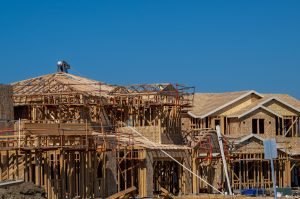
New single-family homes are now selling for less than existing homes in national data, reversing the usual price relationship in the U.S. housing market. The shift reflects aggressive builder discounts and a tight resale market where many owners have little reason to cut prices, according to housing industry data and analysts.
The median price for a new single-family home was $403,200 in the first quarter of 2026, according to National Association of Home Builders data based on Census Bureau and National Association of Realtors figures. That was $1,400 below the $404,600 median price for an existing home.
NAHB said existing homes have been more expensive than new homes for four straight quarters, beginning in the second quarter of 2024. John Burns Research & Consulting said the usual new-home premium, which has averaged 16% since 1987, had fallen to minus 2% by April 2026 in data going back about five decades.
Builders cut prices as supply rises
Alex Thomas, a research manager on the macro team at John Burns Research & Consulting, said the national figures reflect supply and demand as well as differences in how the data are measured. Builders have more inventory to sell in some markets, while resale supply remains limited in others, he said.
NAHB said several changes in new construction have helped pull down the median new-home price. Builders are selling smaller houses, with the median size of a new home sold near 2,400 square feet, down from about 2,500 in 2022 and 2,700 in the mid-2010s.
NAHB also pointed to smaller lots, more construction in the South and broader use of incentives. The group said builders face higher construction costs, including tariffs on building materials that it estimates have added as much as $9,200 to the average price of a new home.
The price gap varies sharply by region, according to NAHB. New homes still cost $309,200 more than existing homes in the Northeast and $66,800 more in the Midwest. In the West, existing homes cost $55,500 more than new homes, while in the South the existing-home premium was $700.
Thomas said softer pricing in Sun Belt markets is pulling down the national median for new homes. He said the effective discount can be larger than the headline price gap because many builders offer design credits, mortgage-rate buydowns or help with closing costs that do not show up in Census median-price data.
John Burns survey data put builder incentives at about 7% to 8% of new-home sale prices, a level Thomas described as unusual by historical standards. Realtor.com said nearly 20% of new homes had direct price cuts in the fourth quarter of 2025.
Resale owners have less pressure to sell
Thomas said existing-home sellers tend to reduce prices more slowly than builders because owners can withdraw listings and wait. Builders, by contrast, carry costs on unsold homes and need to move inventory, he said.
Older homeowners are a major force in the resale market, according to NAR’s 2026 generational trends report. Baby boomers accounted for 42% of buyers and 55% of sellers, NAR said.
Redfin, citing 2024 Census data, found that empty-nest baby boomers owned 28% of U.S. homes with at least three bedrooms. Millennial households with children owned 16% of those homes, according to Redfin.
Meredith Whitney, the Wall Street analyst known for forecasting the 2008 financial crisis, has said only one in 10 seniors can afford assisted-living facilities, limiting the ability of some older owners to move. The resale market is also constrained by mortgage-rate lock-in, Thomas said.
Thomas said the average outstanding mortgage rate is about 4.3%, compared with prevailing rates closer to 6.5%. Until that gap narrows, he said, resale activity is likely to stay weak and builders will remain under pressure to offer deals.
This story draws on original reporting from Fortune.